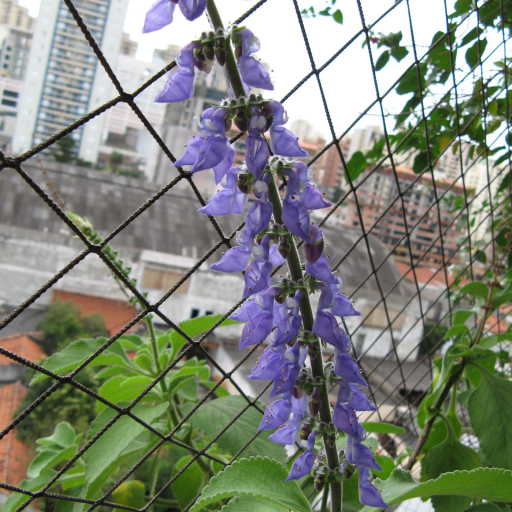
Plant Overview
Known widely as Indian Coleus or False Boldo, Plectranthus barbatus is a striking perennial that bridges the gap between a medicinal powerhouse and an ornamental beauty. Originating from the tropical hills of India and East Africa, it has been a cornerstone of Ayurvedic medicine for centuries. It’s best known for producing "forskolin," a compound that has captured the attention of modern science for its unique biological properties.
🔍 How to Identify
- 🍃 The Foliage: Large, thick, ovate leaves that feel remarkably like soft velvet or felt due to a dense covering of fine hairs.
- ✂️ The Margins: The edges of the leaves are "crenate," meaning they have rounded, scalloped teeth that give the plant a ruffled appearance.
- 🪻 The Blooms: It sends up tall, dramatic spikes of electric blue to violet flowers that provide a stunning contrast against the lime-green leaves.
- 👃 The Scent: When bruised or brushed against, the leaves release a strong, pungent, and slightly camphor-like aroma.
🏡 In Your Garden
- 🌱 Root Sensitivity: This plant possesses a somewhat delicate, fleshy root system. It thrives in well-aerated soil; if the ground becomes compacted or waterlogged, the roots can suffocate quickly, leading to "sudden wilt."
- ✂️ Pruning Style: Because it is a vigorous grower, it can become "leggy" or top-heavy. To keep it looking like a lush shrub rather than a sparse weed, pinch off the growing tips regularly to encourage a bushier, more compact shape.
- 🦋 Pollinator Magnet: The vibrant blue flower spikes are highly attractive to bees and butterflies, making it an excellent choice for a "living pharmacy" garden that supports local biodiversity.
⚠️ Safety & Toxicity
- 🐾 Pet Caution: While prized by humans for its medicinal uses, Plectranthus barbatus contains essential oils and compounds that can be irritating to the digestive tracts of cats, dogs, and horses.
- 🧤 Skin Irritation: Some sensitive individuals may experience mild dermatitis (itchy skin) from the sap or the fine hairs on the leaves during heavy pruning. It’s wise to wash your hands after handling the foliage.
✨ Fun Fact
In Brazil, this plant is famously known as Boldo-da-terra. It is a common "backyard pharmacy" staple used to brew a bitter tea traditionally believed to cure hangovers and aid digestion after a heavy meal!

Detailed Care Instructions
To grow a Plectranthus barbatus plant, also known as Coleus forskohlii or Indian coleus, follow these steps:
- Choose a location: Plectranthus barbatus plants thrive in well-draining soil and prefer partial shade to full sun, depending on your climate. Select a spot that receives a few hours of sunlight each day.
- Prepare the soil: Amend the soil with compost or well-rotted organic matter to improve drainage and fertility.
- Propagation: You can grow Plectranthus barbatus from seeds or plant cuttings. For seeds, sow them in small pots or seed trays and cover them lightly with soil. Keep the soil consistently moist until the seeds germinate. Alternatively, take stem cuttings about 4-6 inches long from a mature plant, remove the lower leaves, and place them in a well-draining potting mix. Water the cuttings and keep them in a warm, humid environment until they root.
- Transplanting: Once the seedlings or cuttings have developed roots, transplant them into larger pots or directly into the garden. Ensure that the soil is adequately moist during the transplanting process.
- Watering: Plectranthus barbatus plants prefer evenly moist soil. Water them regularly, especially during dry spells. However, avoid overwatering, as this can lead to root rot.
- Fertilizing: Apply a balanced, slow-release fertilizer or organic compost once a month during the growing season to provide nutrients to the plant.
- Pruning: Regularly pinch back the growing tips of Plectranthus barbatus to promote bushier growth. You can also remove any dead or damaged foliage to maintain the health and appearance of the plant.
- Protect from frost: Plectranthus barbatus is not frost-tolerant. If you live in a region with cold winters, either bring the plant indoors or provide frost protection such as mulching or covering with a frost blanket.
- Pests and diseases: Keep an eye out for common plant pests such as aphids, mealybugs, and spider mites. Treat any infestations promptly using organic pest control methods. Watch out for powdery mildew, a fungal disease that can affect Plectranthus barbatus. Ensure good air circulation around the plant and avoid overhead watering to minimize the risk of disease.
Following these steps should help you successfully grow Plectranthus barbatus plants, providing you with attractive foliage and potential health benefits from its forskolin content.

Place in a window with dappled sun or a spot in the middle of a room. Or directly in a window facing west or east.

To water this plant, it is important to thoroughly moisten the soil in its container. Check the moisture level of the soil by sticking your finger into the dirt about an inch deep. If the soil feels dry, it's time to water. When you water, make sure to apply water slowly to allow it to soak in without flowing out of the bottom of the pot. It's important not to overwater, as this can lead to root rot. Allow the soil to dry out a bit between waterings, but don't let it become bone dry. Consider using a moisture meter to monitor the soil's moisture and ensure you're giving it the right amount of water.
To fertilize this plant, begin by selecting a balanced, water-soluble fertilizer. Mix the fertilizer according to the instructions on the package.
Apply the fertilizer to the soil around the base of the plant, being careful not to get any on the leaves or stem. Water the plant deeply after fertilizing.
Repeat this process once every two weeks during the growing season, which typically runs from spring through fall.
During the winter months, reduce fertilization to once a month or stop fertilizing altogether, as the plant will require less nutrients during this time.
Plectranthus Barbatus plant would benefit from a well-draining soil mixture that is rich in organic matter, such as compost or peat moss. It should have a slightly acidic pH level, around 6.0-6.5. Adding perlite or sand to the soil mixture can improve drainage. Avoid using heavy clay soils as this can lead to waterlogging and root rot. Moreover, it is important to ensure the soil remains consistently moist, but not waterlogged, and to fertilize the plant regularly with a balanced fertilizer.
To propagate this plant, begin by taking stem cuttings from a mature plant. Use clean, sharp scissors to make a cut just below a node, or where the stem meets a leaf. Cuttings should be about 4-6 inches in length.
Remove the lower leaves from the cutting, leaving only a few leaves at the top. Dip the cut end of the stem into rooting hormone powder.
Prepare a pot with well-draining soil and make a hole in the center. Insert the cutting into the hole and press the soil around the stem to hold it in place.
Water the cutting immediately after planting and keep the soil moist but not waterlogged. Place the pot in a warm, bright area but out of direct sunlight.
After a few weeks, check for roots by gently tugging on the stem. If there is resistance, roots have begun to grow. At this point, you can begin to acclimate the plant to brighter light and outdoor conditions.
Once the new plant has grown strong roots, it can be transplanted into its permanent location.
Common pests of the indian coleus include Mealybugs, spider mites, thrips. Make a habit of checking your indian coleus frequently for pests so that any infestations can be caught and managed early.








