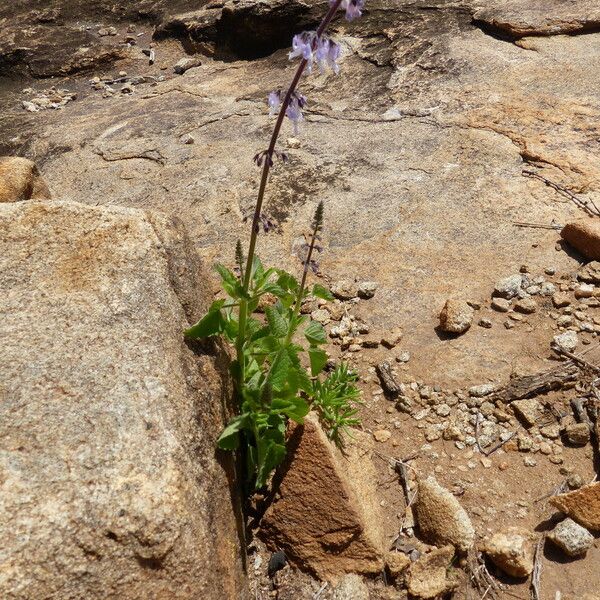
Plant Overview
Often called the Woolly Spur-Flower, this African native is like a living piece of velvet for your windowsill. A member of the mint family, it behaves more like a succulent, storing water in its plush, aromatic leaves to survive dry spells. It is a favorite among "tactile gardeners" who love plants that are as soft to the touch as they are beautiful to look at.
🔍 How to Identify
- ☁️ Felted Foliage: The most striking feature is the dense covering of fine, silvery-white hairs (trichomes) that give the leaves a frosted, woolly appearance.
- 🍃 Scalloped Margins: The leaves are generally heart-shaped or oval with gently rounded, "toothed" edges that look ruffled.
- 💜 Lavender Spires: During the blooming season, it sends up tall, thin stalks topped with tiny, tubular flowers in shades of pale violet or soft blue.
🏡 In Your Garden
- 💧 The "No-Mist" Zone: Because of its thick woolly coating, this plant is an expert at trapping moisture—which can be a downside. Avoid getting water on the leaves, as trapped droplets can lead to fungal rot; always water at the base of the plant.
- ☀️ Light & Color: To keep its silver sheen and compact shape, it needs bright, indirect light. If kept in too much shade, the stems will become "leggy" and stretch toward the light, losing that dense, velvety look.
⚠️ Safety & Toxicity
- ✅ Status: Generally non-toxic to humans.
- 🐾 Details: While not considered deadly, the essential oils in the foliage can cause mild stomach upset in cats or dogs if ingested in large quantities. Some sensitive individuals may also experience light skin redness after handling the sap or fuzzy leaves extensively.
✨ Fun Fact
The specific epithet lanuginosus comes from the Latin word "lanugo," which refers to the fine, soft down feathers of birds or the first hair of a newborn human—perfectly capturing the plant's delicate, downy texture.

Detailed Care Instructions
To water this plant, first, make sure the soil is dry to the touch but not completely dry. Then, pour water slowly into the soil until it begins to drain from the bottom of the pot. Do not overwater or allow the plant to sit in standing water, as this can cause root rot. Watering frequency will depend on the climate and environment the plant is in. It is important to monitor the soil moisture levels regularly and adjust watering as needed.
The Plectranthus Lanuginosus plant thrives in well-drained and nutrient-rich soil with a slightly acidic pH level. The soil should be loamy, sandy, and have good drainage to prevent waterlogging and root rot. The addition of organic matter such as compost or manure can improve soil structure and provide essential nutrients for the plant's growth. It is also important to avoid using heavy clay soils as they can retain too much water and cause root damage. Furthermore, the soil should be kept moist, but not overly wet, to ensure the plant's roots receive adequate hydration.








