Plant Overview
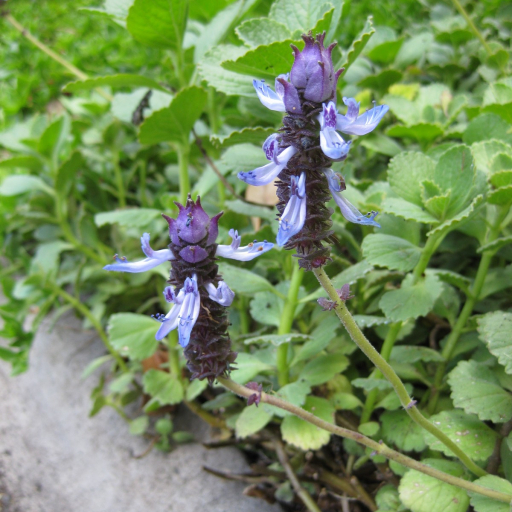
Often called the "Lobster Bush" for its striking, claw-like flower spikes, Plectranthus neochilus is a hardy, aromatic succulent groundcover hailing from Southern Africa. It is a favorite for "lazy gardeners" due to its incredible resilience and ability to thrive in neglected, sun-baked corners. While its deep purple blooms are a visual treat, it is equally famous for its pungent, herbal scent that has earned it the nickname "Smelly Spur Flower."
🔍 How to Identify
- 🌿 Succulent Foliage: The leaves are thick, fleshy, and grey-green, often covered in fine, velvety hairs. They feature distinctively scalloped or "toothed" edges.
- 🦞 Lobster Spikes: In bloom, it produces upright, four-sided flower spikes. The buds are tightly packed and resemble a lobster's tail before opening into delicate, deep blue or royal purple flowers.
- 👃 The "Scent" Test: If you rub the leaves, they release a very strong, musky aroma. Some find it refreshing and herbal, while others compare it to the smell of a certain skunky garden visitor.
🏡 In Your Garden
- ☀️ Sun Lover: This plant is a true sun-worshiper. Its thick leaves are designed to store water, making it perfect for rockeries or sloping gardens where water runs off quickly. If planted in too much shade, it will become "leggy" and lose its tight, mounding shape.
- 🪴 Natural Border: Because of its spreading habit, it creates a dense mat that naturally suppresses weeds. It is exceptionally easy to propagate—simply snap off a stem, stick it in the soil, and it will almost certainly take root without any special hormones.
⚠️ Safety & Toxicity
- 🟢 Status: Generally considered non-toxic to humans and most pets.
- 🐾 The "Scaredy Cat" Effect: In some regions, it is sold as the "Scaredy Cat Plant." While not poisonous, the pungent odor is said to be unpleasant to dogs, cats, and even snakes, often discouraging them from wandering into garden beds where the plant is established. However, skin contact with the oils may cause mild irritation in humans with very sensitive skin.
✨ Fun Fact
In Southern African folklore and traditional medicine, Plectranthus neochilus is sometimes planted around homes as a "charm" to ward off bad luck or unwanted spirits, though in a more practical sense, it was used to clear respiratory passages through steam inhalation.

Detailed Care Instructions
To grow Plectranthus Neochilus plant, here are some steps you can follow:
- Choose the right location: Plectranthus Neochilus prefers bright, indirect sunlight. Find a spot that receives filtered sunlight or partial shade.
- Soil preparation: Ensure the soil is well-draining and rich in organic matter. You can mix compost or peat moss to improve soil fertility and drainage.
- Planting: Dig a hole in the soil that is slightly larger than the plant's root ball. Place the plant in the hole and fill it with soil. Gently firm the soil around the base of the plant.
- Watering: Water the plant thoroughly immediately after planting and then on a regular basis. Plectranthus Neochilus enjoys evenly moist, but not waterlogged, soil. Water it when the top inch of soil feels dry.
- Fertilizing: Apply a balanced, slow-release fertilizer or a liquid fertilizer diluted to half strength every month during the growing season (spring and summer). This will provide necessary nutrients for healthy growth.
- Pruning: Regularly pinch or trim the plant to encourage bushy growth and prevent leggy growth. This will also promote increased flowering.
- Temperature and humidity: Plectranthus Neochilus thrives in warm temperatures between 60-85°F (15-29°C). It prefers moderate to high humidity levels.
- Pest and disease control: Keep an eye out for pests like aphids, spider mites, and mealybugs. Treat them with organic insecticides or insecticidal soap if necessary. Ensure good air circulation around the plant to avoid fungal diseases.
- Propagation: Plectranthus Neochilus can be propagated by stem cuttings. Take 4-6 inch (10-15 cm) cuttings from the plant and remove the lower leaves. Place the cuttings in a well-draining potting mix, keep them moist, and they should root within a few weeks.
- Overwintering: Plectranthus Neochilus is sensitive to cold temperatures, so bring the plant indoors or provide protection during winter if you live in a colder climate. Maintain moderate light, humidity, and watering during this period.
By following these steps, you can successfully grow and care for Plectranthus Neochilus, also known as Cuban Oregano or Mexican Mint.

Place in a bright room that is sun drenched almost all day. Or directly in a south-facing window.

To water this plant, place it in a well-draining pot with soil that is moist but not waterlogged. Do not allow the soil to dry out completely between waterings. It is important to water from the bottom of the pot to prevent waterlogging or rotting of the roots. Reduce watering during the winter months when the plant is dormant. Avoid getting water on the leaves as this can cause fungal diseases.
- Prepare a balanced, water-soluble fertilizer according to the manufacturer's instructions.
- Water the plant thoroughly before applying fertilizer.
- Apply the fertilizer every two weeks during the growing season (spring and summer).
- Dilute the fertilizer to half strength if the plant shows signs of stress or in extreme heat.
- Water the plant again after fertilizing to help distribute the nutrients.
- Use caution not to over fertilize, as this can damage the plant.
- Cease fertilizing during the dormant season (fall and winter).
Plectranthus Neochilus requires well-draining soil that is rich in organic matter and has a slightly acidic to neutral pH level. The soil should be able to retain moisture, but not become waterlogged, as it can lead to root rot. The plant also benefits from regular fertilization with a balanced, slow-release fertilizer. It is recommended to avoid using soil that contains high amounts of clay or sand, as this can affect the plant's growth and overall health. Additionally, Plectranthus Neochilus may benefit from occasional pruning to promote bushier growth and to maintain its shape. It is important to also provide the plant with proper lighting and adequate air circulation to prevent issues such as powdery mildew.
To propagate this plant, select a healthy stem with several leaves and a node. Using clean, sharp shears, cut the stem just below the node. Remove the lower leaves from the stem, leaving only a few at the top. Dip the cut end of the stem in rooting hormone powder to promote root growth. Plant the stem in moist soil, making sure to bury the node and keep the leaves above the soil. Cover the pot with a plastic bag to create a humid environment and place it in a warm, brightly lit area. After a few weeks, roots should begin to grow from the buried node. Once the plant has established roots, remove the plastic bag and continue to care for the new plant as you would an adult plant.
Common pests of the lobster bush include Mealybugs, spider mites, thrips. Make a habit of checking your lobster bush frequently for pests so that any infestations can be caught and managed early.








