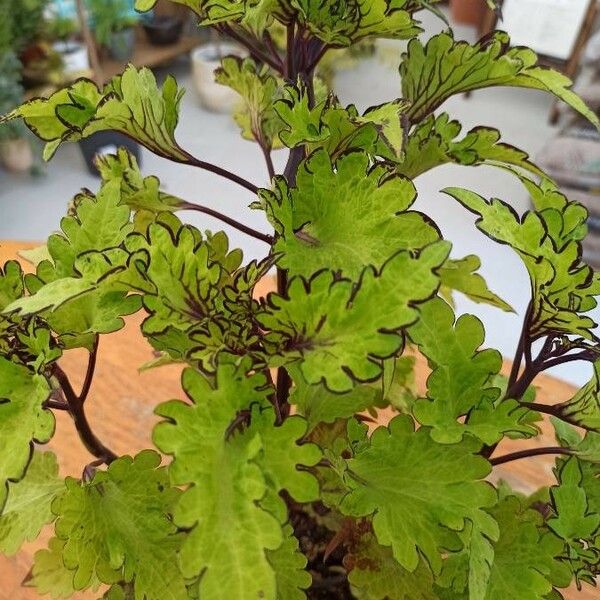
Plant Overview
The Plectranthus genus is a diverse group of aromatic beauties, often affectionately called "Spurflowers" due to the tiny spurs at the base of their delicate blooms. From the classic trailing "Swedish Ivy" to the vibrant, neon-patterned "Coleus," these plants are the chameleons of the botanical world. Many species are beloved for their velvety, touchable foliage and their incredible ability to fill a space with lush greenery in just a single season.
🔍 How to Identify
- 🌿 Square Stems: As proud members of the Mint family (Lamiaceae), these plants possess distinctively four-sided stems that feel noticeably angular when rolled between your fingers.
- 🍃 Scalloped Foliage: Most species feature leaves with "crenate" or scalloped edges, often covered in fine, soft hairs that give the plant a matte or velvety appearance.
- 🌸 Spurred Flowers: Their blossoms are typically small, tubular, and arranged in tall, upright spikes, usually appearing in gentle shades of lavender, blue, or white.
🏡 In Your Garden
- 🪴 The Dramatic Communicator: These plants are famous for "pouting"—wilting dramatically the moment they feel slightly dry—but they possess a magical ability to bounce back within minutes of receiving a drink.
- ✂️ Propagation Perfection: They are among the easiest plants to multiply; a simple stem cutting placed in a glass of water will usually sprout a robust root system in less than two weeks, making them perfect for "pass-along" gardening.
⚠️ Safety & Toxicity
- 🐾 Pet Warning: Most Plectranthus species, particularly those in the Coleus group, contain essential oils that are toxic to dogs, cats, and horses.
- 🤢 Symptoms: If ingested, pets may experience vomiting, diarrhea, or lethargy; additionally, the sap of some species can cause mild skin irritation or dermatitis in sensitive individuals.
✨ Fun Fact
Despite the popular name "Swedish Ivy," the most common species (Plectranthus verticillatus) is actually native to South Africa! It earned its misleading nickname after becoming a massive interior design sensation in Sweden during the mid-20th century.

Detailed Care Instructions
To properly water the Plectranthus Spp. plant, it is important to allow the soil to almost dry out before watering again. When watering, use room temperature water and pour it slowly onto the topsoil, making sure the water is evenly dispersed throughout the pot. Avoid getting water on the leaves and stems as this can cause fungal diseases. Water the plant only when the top 1-2 inches of soil feels dry to the touch, and adjust the frequency of watering depending on the temperature, humidity, and light conditions in the plant's environment. Overwatering can lead to root rot and other problems, so it is important to water only when necessary and not let the plant sit in standing water.
Plectranthus spp. plants require well-draining soil that is rich in nutrients. The ideal soil for these plants is slightly acidic with a pH level between 6.0-7.0. It is recommended to use a mixture of potting soil, perlite, and peat moss to provide good drainage and aeration for the roots. It is important to avoid using heavy soils that retain water for too long as this can cause root rot and other fungal diseases. Additionally, adding organic matter such as compost can also improve the soil structure and fertility. Overall, the soil should be loose, well-aerated, and able to hold moisture without becoming waterlogged.







