Plant Overview
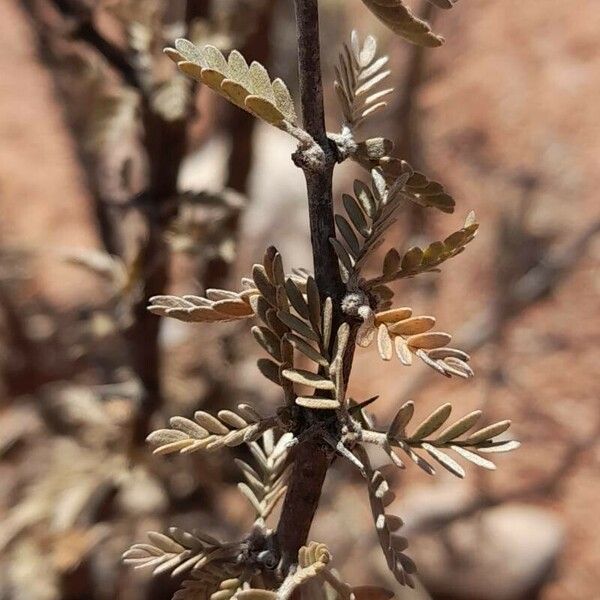
Known as the "Jewel Bush" or simply "Tetracantha," Plectrocarpa tetracantha is a rugged survivor hailing from the arid Chaco regions of South America. This shrub is a master of contrast, balancing a fierce, zig-zagging architecture of silver-grey thorns with delicate, star-like golden blossoms. It is a favorite among collectors of xeric (desert) plants who appreciate greenery with a "wild" and untamed personality.
🔍 How to Identify
- ⚔️ Spiny Framework: The plant is defined by its formidable, pale thorns that often grow in groups of four (hence the name tetracantha), giving the branches a sharp, geometric appearance.
- 🍃 Minimalist Foliage: To conserve water, the leaves are tiny, grayish-green, and oval-shaped, often appearing in small clusters nestled between the spines.
- 🌼 Golden Blooms: During the flowering season, it produces small but vibrant yellow or orange-yellow flowers that stand out brilliantly against the muted tones of the wood.
🏡 In Your Garden
- ☀️ Sun-Drenched Requirements: This plant is a true sun-worshiper. It needs intense light to maintain its compact, thorny form; in low light, it may become "leggy" and lose its distinctive architectural "jewelry" look.
- 🏜️ Drainage is Vital: Because it is adapted to dry forests, it hates "wet feet." Use a very gritty, sandy soil mix. If you are growing it in a container, treat it more like a cactus than a traditional shrub to avoid root rot.
⚠️ Safety & Toxicity
- 🧤 Mechanical Hazard: The primary danger of the Jewel Bush is physical. The thorns are exceptionally sharp and can easily puncture skin or garden gloves.
- 🐾 Placement Matters: While not known for high chemical toxicity, it should be kept away from high-traffic areas. It is best placed at the back of a display where curious pets or children cannot accidentally run into its defensive spines.
✨ Fun Fact
The name Tetracantha comes from the Greek words for "four" and "thorn." In its native habitat, these dense, thorny thickets provide a "fortress" for small desert birds, who build their nests deep inside the branches where larger predators are unable to reach them!

Detailed Care Instructions







