Plant Overview
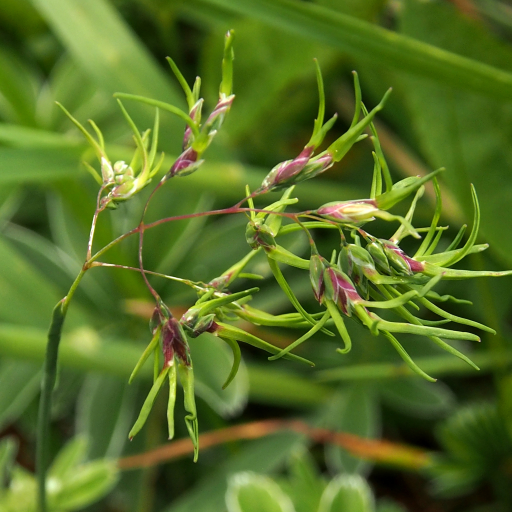
Known as the "Alpine Bluegrass," this hardy mountaineer thrives where most plants give up. It is a symbol of resilience in the high Alps and Arctic tundras, often found clinging to rocky ledges or nestled in cold meadows. What makes it truly special is its unique "survivalist" trick: it often skips the risky process of making seeds and instead grows tiny, fully-formed "babies" directly on its flower stalks.
🔍 How to Identify
- 🌿 Dense Tussocks: It grows in tight, compact clumps or "cushions" that help it trap warmth and resist the biting mountain winds.
- 🍃 Boat-Shaped Tips: Like most members of the Poa family, the leaf blades are narrow and end in a distinct tip that looks like the prow of a tiny canoe.
- 🌾 Viviparous Panicles: The most striking feature is the flower head; in many varieties, the flowers transform into miniature leafy plantlets (clones) that drop off to start new plants immediately.
🏡 In Your Garden
- ⛰️ The Rockery Specialist: This isn't a grass for a traditional lawn; it belongs in a rock garden or an alpine trough. It thrives in gritty, well-draining soil that mimics a mountain scree.
- ❄️ Cold Over Heat: While it can survive being buried under feet of snow, it hates "wet feet" and sweltering summer humidity. It prefers "cool roots," so placing it near a large stone can help regulate its temperature.
⚠️ Safety & Toxicity
- ✅ Non-Toxic: Poa alpina is completely safe for humans, cats, dogs, and livestock.
- 🐑 High-Altitude Forage: In its native habitat, it is a highly nutritious and essential food source for mountain goats, wild sheep, and marmots.
✨ Fun Fact
Because the mountain summer is so short, Poa alpina doesn't always have time to wait for seeds to dry and sprout. By growing "ready-made" clones (vivipary) on its stems, it gives its offspring a massive head start to take root before the first winter frost hits!

Detailed Care Instructions
Growing Poa alpina, commonly known as Alpine Bluegrass, requires special attention due to its specific habitat requirements. Here's a guide to help you cultivate this plant, which is typically found in mountainous regions:
Site Selection
- Climate: Poa alpina thrives in cooler, alpine climates. It's well-suited for USDA hardiness zones 4-8.
- Sunlight: Full sun to partial shade is ideal.
- Soil: Well-draining soil is crucial. It prefers gritty, sandy, or loamy soils and does not do well in heavy clay.
Preparation
- Soil Preparation: Loosen the soil in the planting area to a depth of at least 6 inches. Amend with organic matter like compost to improve drainage and fertility.
- pH Levels: It prefers slightly acidic to neutral soil (pH 5.5-7.0). Conduct a soil test if you're unsure about the pH.
Planting
- Seeds: Sow seeds in early spring or fall. Scatter the seeds over the prepared soil and lightly press them in, covering them with a thin layer of soil or fine compost.
- Spacing: Space seeds or seedlings about 6-12 inches apart to allow for growth.
Watering
- Establishment: Keep the soil consistently moist until the plants are well-established.
- After Establishment: Once established, Poa alpina is relatively drought-tolerant but will perform best with occasional watering during prolonged dry periods.
Maintenance
- Mulching: Apply a thin layer of mulch around the plants to help retain soil moisture and control weeds.
- Fertilizing: Fertilize sparingly. An occasional application of a balanced, slow-release fertilizer in the early growing season can be beneficial.
- Weeding: Keep the area free of weeds which can compete for nutrients and water.
Propagation
- Seed Collection: Collect seeds from mature plants in late summer or early autumn. Store them in a cool, dry place until you're ready to plant.
- Division: Established clumps can be divided in early spring or fall to propagate new plants.
Pests and Diseases
- Poa alpina is generally resistant to most common pests and diseases. However, be mindful of over-watering and poor drainage, which can lead to root rot.
Additional Tips
- Elevation: If you can replicate its natural alpine environment (high altitude), the plant will be happier and healthier.
- Companions: Plant with other alpine or rock garden plants that have similar water and sunlight requirements.
By following these guidelines, you can successfully grow Poa alpina and enjoy its unique beauty.

Place in a bright room that is sun drenched almost all day. Or directly in a south-facing window.

To properly water Poa alpina, it's essential to consider several factors, including soil type, climate, and the plant's specific needs. Here is a detailed guide on how to water this perennial grass species:
### Soil Considerations:
- **Soil Type:** Poa alpina thrives in well-drained, loamy to sandy soils. Ensure the soil is adequately aerated to prevent waterlogging, which can cause root rot.
- **pH Level:** This plant prefers neutral to slightly acidic soil with pH levels ranging from 6.0 to 7.5.
### Watering Frequency:
- **Seedlings and Young Plants:** During the initial growth stages, keep the soil consistently moist but not soggy. Water every 2-3 days or when the top inch of soil feels dry.
- **Established Plants:** Once the grass is established, it requires moderate watering. Typically, watering once a week is sufficient, but this can vary based on local rainfall and temperature conditions.
### Climate Factors:
- **Cool Climates:** Poa alpina is adapted to cooler climates, often found in alpine and subalpine regions. In these areas, natural precipitation may suffice, but supplement during dry periods.
- **Warm Climates:** If grown in warmer regions, increase the watering frequency, especially during hot and dry spells. Mulching can help retain soil moisture.
### Time of Day:
- **Morning:** The best time to water is early in the morning. This allows the grass to absorb moisture before the heat of the day reduces evaporation.
- **Avoid Evenings:** Watering late in the day can lead to prolonged moisture on the blades and soil surface, increasing the risk of fungal diseases.
### Method of Watering:
- **Sprinkler System:** A gentle sprinkler system mimics natural rainfall and ensures even coverage.
- **Soaker Hose:** A soaker hose can efficiently deliver water at the base of the plants, minimizing water waste and reducing the risk of fungal issues.
- **Hand Watering:** If watering by hand, use a watering can with a fine rose to prevent soil erosion and ensure gentle water delivery.
### Signs of Overwatering and Underwatering:
- **Overwatering:** Yellowing grass, spongy soil, and potential fungal infections are signs of overwatering. Adjust your watering schedule and ensure proper drainage.
- **Underwatering:** Wilted blades, dry soil, and slowed growth indicate the need for more water. Increase the frequency and check soil moisture levels regularly.
### Special Considerations:
- **Seasonal Adjustments:** Adjust watering based on seasonal changes. Less water is needed in cooler, wetter months; more in hot, dry seasons.
- **Altitude:** At higher altitudes, where Poa alpina naturally occurs, evaporation rates are lower, and thus, reduced watering frequency might be required.
By understanding and implementing these detailed watering practices, you can ensure the healthy growth and maintenance of Poa alpina in your garden or natural setting.
Fertilizing Poa alpina involves a few key considerations to ensure optimal growth. This cool-season grass benefits from balanced nutrient availability. Here are detailed instructions:
- Soil Testing: Before applying any fertilizer, perform a soil test to determine the existing nutrient levels and pH of your soil. This will help customize the fertilization plan to meet the specific needs of your Poa alpina.
- Choosing the Fertilizer:
- NPK Ratio: Select a balanced fertilizer with an NPK ratio of approximately 10-10-10 or 20-20-20. This ratio provides a balanced supply of nitrogen (N), phosphorus (P), and potassium (K), which are essential for growth.
- Slow-Release Option: Consider using a slow-release fertilizer to provide a steady supply of nutrients over an extended period.
- NPK Ratio: Select a balanced fertilizer with an NPK ratio of approximately 10-10-10 or 20-20-20. This ratio provides a balanced supply of nitrogen (N), phosphorus (P), and potassium (K), which are essential for growth.
- Application Timing:
- Early Spring: Apply the first round of fertilizer in early spring as the grass begins to grow actively. This helps support robust early growth.
- Late Summer to Early Fall: Apply a second round of fertilizer in late summer or early fall. This timing supports growth before the cooler winter months.
- Early Spring: Apply the first round of fertilizer in early spring as the grass begins to grow actively. This helps support robust early growth.
- Application Rate: Follow the manufacturer's instructions regarding the application rate, generally based on the size of your planting area. Over-fertilizing can harm the plant, so it's crucial to adhere to recommended rates.
- Method:
- Broadcast Spreader: Use a broadcast spreader for even distribution of granular fertilizer. Make sure to cover the entire area where Poa alpina is growing.
- Watering: After applying the fertilizer, water the area thoroughly. This helps the nutrients dissolve and reach the root zone efficiently.
- Broadcast Spreader: Use a broadcast spreader for even distribution of granular fertilizer. Make sure to cover the entire area where Poa alpina is growing.
- Organic Options: If preferred, organic fertilizers like compost, well-decomposed manure, or bone meal can be used. These also improve soil structure and microbial activity while providing essential nutrients.
- Monitoring and Adjustments: Periodically assess the growth and health of your Poa alpina. If you notice signs of nutrient deficiencies, such as yellowing leaves (indicative of nitrogen deficiency), you may need to adjust your fertilization plan.
By following these guidelines, you can ensure that your Poa alpina receives the proper nutrition for healthy and vigorous growth.
Poa alpina thrives best in well-drained soils that are moderately fertile. Ideally, you should aim for a loamy soil composition, which ensures good drainage while retaining sufficient moisture and nutrients. Here are some detailed points to consider when preparing soil for this plant:
- Soil Composition: A mixture of sand, silt, and clay (loam) typically provides the best environment. This mixture balances drainage and moisture retention.
- pH Levels: Slightly acidic to neutral pH levels, ranging from 6.0 to 7.5, are ideal for promoting healthy growth.
- Organic Matter: Adding organic matter such as compost or well-rotted manure can improve soil fertility and structure, fostering better root development.
- Drainage: Good drainage is crucial, as waterlogged soils may lead to root rot or other issues. Ensure the planting area is not prone to standing water.
- Aeration: Regularly loosen the soil to prevent compaction, which can hinder root growth and water infiltration.
- Nutrient Content: While not excessively demanding, supplemental feeding with a balanced, slow-release fertilizer can support healthy growth, particularly in nutrient-poor soils.
- Moisture: Consistent but moderate moisture levels are preferred. Avoid both extreme drying and overly wet conditions.
Considering these factors when preparing soil will help create an optimal growing environment for Poa alpina, encouraging robust and healthy development.
Propagating Poa alpina involves a few straightforward steps, whether you choose to use seeds or vegetative methods. Here’s a detailed guide:
Propagation by Seeds
- Seed Collection:
- Collect mature seeds from existing plants. The seeds should be fully developed and dry.
- Clean and dry the seeds properly to avoid mold or fungal infections during storage.
- Collect mature seeds from existing plants. The seeds should be fully developed and dry.
- Seed Stratification (Optional but Beneficial):
- To enhance germination rates, perform cold stratification.
- Place the seeds in a moist medium like sand or a paper towel and refrigerate them at around 4°C (39°F) for 4-6 weeks.
- To enhance germination rates, perform cold stratification.
- Sowing Seeds:
- Prepare a well-draining seed-starting mix.
- Sow the seeds on the surface of the mix, lightly pressing them in without covering them with a lot of soil, as they need light to germinate.
- Keep the soil consistently moist but not waterlogged.
- Prepare a well-draining seed-starting mix.
- Germination Conditions:
- Provide a light source if growing indoors—fluorescent lights usually work well.
- Maintain a temperature of around 15-20°C (59-68°F).
- Provide a light source if growing indoors—fluorescent lights usually work well.
- Transplanting Seedlings:
- Once seedlings develop a few true leaves, they can be transplanted into individual pots or directly into the garden.
- Ensure the planting site has well-draining soil and adequate sunlight.
Propagation by Division
- Once seedlings develop a few true leaves, they can be transplanted into individual pots or directly into the garden.
- Timing:
- The best time for division is during early spring or late autumn when the plant is not actively growing.
- The best time for division is during early spring or late autumn when the plant is not actively growing.
- Preparation:
- Select healthy, mature plants for division.
- Water the plant thoroughly a day before you intend to divide it to minimize stress.
- Select healthy, mature plants for division.
- Dividing the Plant:
- Carefully dig up the entire plant, ensuring minimal damage to the roots.
- Use a sharp knife or spade to divide the root ball into smaller clumps. Each clump should have several stems and a portion of the root system.
- Carefully dig up the entire plant, ensuring minimal damage to the roots.
- Replanting Divisions:
- Replant the divisions immediately in well-prepared soil. Ensure each clump is planted at the same depth it was growing before.
- Water the divisions thoroughly after planting to help them establish.
- Replant the divisions immediately in well-prepared soil. Ensure each clump is planted at the same depth it was growing before.
- Aftercare:
- Keep the soil consistently moist but not soggy.
- Mulch around the plants to retain moisture and suppress weeds.
- Avoid heavy fertilization immediately after planting. A balanced slow-release fertilizer can be applied after a few weeks if necessary.
Tips for Success
- Keep the soil consistently moist but not soggy.
- Avoid Overcrowding:
- Ensure adequate spacing between plants to reduce competition for nutrients and light.
- Ensure adequate spacing between plants to reduce competition for nutrients and light.
- Monitor for Pests and Diseases:
- Keep an eye out for common pests and diseases, and treat accordingly to prevent infestations.
- Keep an eye out for common pests and diseases, and treat accordingly to prevent infestations.
- Regular Maintenance:
- Regularly check soil moisture, especially during dry periods.
- Trim any dead or damaged foliage to encourage healthy growth.
By following these guidelines, you can successfully propagate Poa alpina and enjoy its unique qualities in your garden or landscape.
- Regularly check soil moisture, especially during dry periods.








