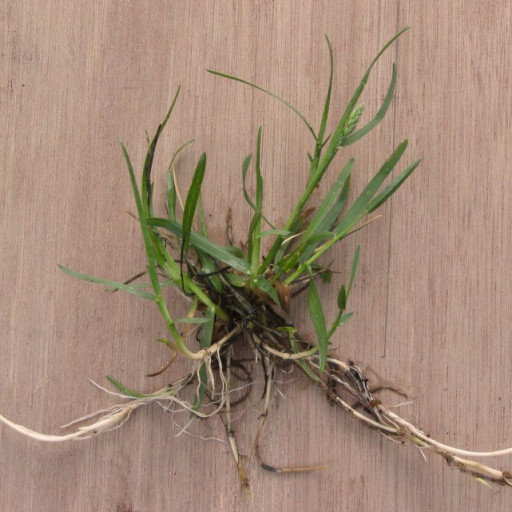
Plant Overview
Known widely as "Kentucky Bluegrass," this plant is the crown jewel of manicured lawns across North America. Interestingly, it isn't actually native to Kentucky—it was brought over by European settlers as a hardy pasture grass from Europe and Northern Asia. It is beloved by homeowners for its deep, lush blue-green hue and its incredible ability to form a thick, velvet-like carpet that invites barefoot strolls.
🔍 How to Identify
- ⛵ The "Boat" Tip: The most reliable way to identify this grass is by looking at the leaf tip; it is pinched together to look exactly like the prow of a tiny boat.
- 🌿 Leaf Texture: The leaves are smooth, narrow, and folded in the bud, usually displaying a distinct "track" (two clear lines) running down the center of the blade.
- 🏃 Growth Habit: Unlike "clumping" grasses, it spreads via aggressive underground runners called rhizomes, which allow it to knit together into a solid, springy sod.
🏡 In Your Garden
- 🛠️ Self-Healing Powers: Because of its rhizomatous nature, Kentucky Bluegrass is the "Wolverine" of the grass world. If you have a bare patch or a dog-damaged spot, the grass will naturally creep back in to fill the hole without needing new seeds.
- ❄️ Cool-Season Specialist: This grass thrives in the transition zones. It loves the crisp air of spring and autumn but may "go to sleep" (dormancy) and turn brown during the scorching heat of mid-summer to protect its roots.
- 🍽️ A Heavy Feeder: To maintain that deep emerald color, it requires more "food" (nitrogen) and more consistent watering than hardier fescues. It prefers well-drained, fertile soil and hates having "wet feet."
⚠️ Safety & Toxicity
- 🐾 Pet & Child Safe: Kentucky Bluegrass is non-toxic and serves as a primary forage grass for livestock. It is perfectly safe for dogs and cats to play on or occasionally nibble.
- 🤧 Allergy Warning: While the blades are safe, this species is a major producer of airborne pollen during its flowering stage (usually late spring). It is a primary culprit for seasonal hay fever (allergic rhinitis).
✨ Fun Fact
Kentucky Bluegrass is the surface of choice for some of the world's most famous sports venues, including the hallowed grounds of many Major League Baseball fields and the legendary horse racing tracks of the Kentucky Derby.

Detailed Care Instructions
To successfully grow Poa pratensis (Kentucky bluegrass) plants, follow these steps:
- Choose the right time: Poa pratensis is usually sown from late summer to early fall or late spring to early summer.
- Prepare the soil: Kentucky bluegrass prefers well-drained soil with a soil pH between 6.0 and 7.5. Remove any weeds, rocks, or debris from the area and loosen the soil to a depth of 4-6 inches.
- Seed selection: Choose high-quality Kentucky bluegrass seeds suited for your climate and region. Consult with a local nursery or horticultural expert for the best variety.
- Seed sowing: After preparing the soil, spread the seeds evenly over the area using a spreader or by hand. Rake lightly to ensure good seed-to-soil contact.
- Watering: After sowing the seeds, water the area thoroughly but gently to ensure the soil is moist but not soaked. Keep the soil consistently moist until the seeds germinate.
- Germination and growth: Kentucky bluegrass seeds typically take 10-21 days to germinate. During this period, ensure the soil remains moist by watering regularly, especially during dry spells.
- Mowing and maintenance: Once the grass reaches a height of about 3-4 inches, it is ready for its first mowing. Set your mower at a high setting and avoid removing more than one-third of the grass height at a time. Follow regular mowing and maintenance practices, including fertilization, watering, and pest control, as required for a healthy lawn.
- Regular care: Kentucky bluegrass requires adequate sunlight, at least 4-6 hours of direct sunlight per day, for optimum growth. Water the lawn deeply but infrequently, as needed, to encourage deep root growth. Avoid overwatering, as it can lead to shallow roots and susceptibility to diseases.
- Aerating and overseeding: Over time, Kentucky bluegrass lawns can become compacted, which may impact their health. Periodically aerate the soil to improve air circulation and water absorption. Additionally, overseed any thin or bare patches in early fall or spring to maintain a thick and healthy lawn.
- Winter care: Kentucky bluegrass can withstand cold temperatures but may need some protection in extremely harsh climates. Before winter, mow the grass shorter, remove fallen leaves, and apply a winter fertilizer to strengthen the lawn's resilience.
Remember to consult with local experts or extension services for region-specific advice on growing Kentucky bluegrass successfully.

Place in a bright room that is sun drenched almost all day. Or directly in a south-facing window.

Poa Pratensis is a type of plant that requires a sufficient amount of water to grow and thrive. To water this plant, you must consider some important factors, such as the soil moisture, plant size, and the climate conditions. Here are some tips for watering Poa Pratensis:
1. Check the soil moisture level regularly. Before watering, you must make sure that the soil is dry at least one inch below the surface.
2. Water the plant deeply and infrequently. Instead of giving frequent shallow waters, it is recommended to give a deep watering once a week.
3. Water the plant early in the morning or late in the evening. These are the best times to water the plant because the temperature is cooler, which reduces the evaporation rate.
4. Avoid watering the plant during the day. Watering during the day increases the evaporation rate and may cause damage to the plant.
5. Use a sprinkler system or a watering can to water the plant. Make sure the water reaches the root zone.
6. Adjust the watering schedule according to the climate. During the summer or dry season, the plant may require more watering than during the rainy season.
7. Do not over-water the plant. Over-watering may lead to root rot and other diseases.
By following these tips, you can keep your Poa Pratensis plant healthy and strong.
To fertilize this plant, use a slow-release fertilizer with a balanced N-P-K ratio and preferably a micronutrient blend. Apply the fertilizer evenly to the soil around the plant, avoiding direct contact with the leaves or stems. Water the plant thoroughly after fertilizing to facilitate nutrient uptake. Repeat this process every 4-6 weeks during the growing season, but avoid fertilizing in extreme temperatures or drought conditions.
The ideal soil for this plant should be well-draining and rich in nutrients. It should have a pH level in the slightly acidic to neutral range. A loamy soil with a good balance of sand, silt, and clay is ideal. It should be slightly moist but not waterlogged. The soil should be loose and crumbly to promote root growth and allow for proper aeration. It is recommended to amend the soil with organic matter such as compost or aged manure to improve soil fertility. Avoid using soil that is compacted or heavy in clay as it can cause waterlogging, root rot, and poor growth.
- The best time to propagate this plant is in the spring or fall.
- Begin by selecting healthy stems or runners from the parent plant.
- Cut the selected stems or runners with a clean, sharp pair of scissors or pruning shears.
- Prepare a potting mix by blending equal parts of peat moss and perlite or vermiculite.
- Dip the cut ends of the stems or runners in rooting hormone powder to promote root growth.
- Insert the stems or runners about 1 inch deep into the potting mix, spacing them a few inches apart.
- Water the potting mix until it is evenly moist, but not waterlogged.
- Place the container in a bright, but shaded area, avoiding direct sunlight exposure.
- Keep the potting mix moist by misting it with water daily or use a clear plastic bag to create a humid environment.
- After a few weeks, roots should have formed, and new growth should start to emerge from the soil.
- Once the new growth is established, slowly acclimate the plants to outdoor conditions by gradually increasing their exposure to sunlight and wind.
- Finally, transplant the new plants into the desired location and keep the soil moist until they are established.








