Plant Overview
Known as the "Arius" in its native Philippines, Podocarpus costalis is a slow-growing evergreen that embodies the resilience of the windswept Batanes Islands. Often called the "Sea Teak," it is a master of survival, thriving on rocky coastal cliffs where other plants might wither. With its dense, sculptural foliage and vibrant seed structures, it has transitioned from a wild island survivor to one of the most prized specimens for high-end tropical landscaping and bonsai.
🔍 How to Identify
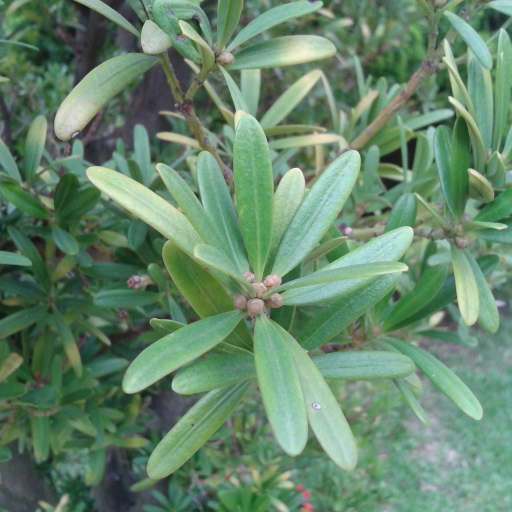
- 🌿 Leathery Leaves: The foliage consists of thick, stiff, and narrowly elliptic leaves that feel almost like plastic. They are a deep, glossy green and grow in a dense, spiraling arrangement.
- 🍇 Fleshy Receptacles: Unlike traditional flowers, this plant produces seeds sitting atop a fleshy, succulent base (receptacle) that turns a striking red or dark purple when mature, resembling a small berry.
- 🌳 Growth Habit: It naturally forms a low-branching shrub or small tree with a gnarled, textured trunk that gives even young plants an "ancient" look.
🏡 In Your Garden
- 🌊 Coastal Hero: Because it originates from seaside cliffs, this plant is exceptionally tolerant of salt spray and high winds. It is the perfect choice for beachfront properties where "salt burn" kills more delicate species.
- ⏳ Patience is a Virtue: The Arius is a notoriously slow grower. While this means it won't quickly outgrow its garden space, it also means it is sensitive to heavy pruning. It is best to shape it gradually over several seasons.
- 🪴 Drainage is Non-Negotiable: In a container or the ground, it requires sharp drainage. It hates "wet feet" and is prone to root rot if the soil remains soggy for extended periods.
⚠️ Safety & Toxicity
- 🐾 Pet Warning: Most parts of the Podocarpus family contain podocarpic acid. If ingested by dogs or cats, it can cause significant gastrointestinal distress, including vomiting and diarrhea.
- 👶 Berry Temptation: The colorful, fleshy receptacles are attractive to children. While the fleshy part is used locally in its native range for jams, the seed itself is toxic and should never be swallowed.
- 🧤 Sticky Sap: When pruning, the plant may leak a sticky resin. While not strictly "poisonous" to the touch, it can be a skin irritant for those with sensitivities and is difficult to wash off clothes.
✨ Fun Fact
In the Batanes Islands of the Philippines, the Arius is so iconic that its fruit is used to produce a local traditional wine. Because the tree can live for over a century and withstand typhoons, it is seen as a symbol of the "Ivatan" people's endurance and strength.

Detailed Care Instructions
To grow a Podocarpus costalis plant, commonly known as the Fern Pine or Japanese Yew, you can follow these steps:
- Choose a suitable location: Podocarpus plants prefer full to partial sun exposure. Select a location that receives at least 4-6 hours of direct sunlight every day.
- Soil preparation: The plant grows well in well-draining soil. Make sure the soil is rich in organic matter. If the soil is heavy or clayey, amend it with compost or organic matter to improve drainage.
- Planting: Dig a hole twice as wide and as deep as the plant's root ball. Gently remove the plant from its container, taking care not to disturb the roots too much. Place it in the hole and backfill with soil, ensuring that the crown of the plant is level with or slightly above the ground.
- Watering: Water the plant thoroughly after planting and keep the soil consistently moist but not waterlogged. Once established, Podocarpus plants are drought-tolerant but should still receive regular watering during dry spells.
- Mulching: Apply a layer of organic mulch around the base of the plant to help retain soil moisture and suppress weed growth. Keep the mulch away from touching the plant's stem to prevent rotting.
- Pruning: Podocarpus plants can be pruned to maintain their desired shape and size. Prune them in early spring before new growth begins. You can trim the branches to promote denser growth or to remove any dead or damaged branches.
- Fertilization: Feed the plant with a balanced, slow-release fertilizer in early spring and again in mid-summer. Follow the instructions on the fertilizer packaging for application rates.
- Protection: Podocarpus plants are typically resistant to pests and diseases. However, monitor the plant for any signs of insect infestation or leaf damage and take appropriate measures, such as using organic insecticides or removing affected leaves.
Overall, Podocarpus costalis is a relatively low-maintenance plant that can thrive in various soil conditions and climates. Regular care and monitoring will ensure healthy growth and a visually appealing plant.

Place in a bright room that is sun drenched almost all day. Or directly in a south-facing window.

To water this plant, it is important to first observe the soil moisture level. The soil should feel slightly moist to the touch, but not overly saturated. When watering, pour water directly onto the soil at the base of the plant, rather than onto the leaves or trunk. Allow the water to soak in and do not allow any standing water to accumulate. During the growing season, which is typically in the warmer months, the plant may require more frequent watering. However, in the winter months, the plant's water requirements may decrease. It is important to monitor the soil moisture level and adjust watering accordingly.
To fertilize your plant, first ensure that the soil is moist. Choose a balanced, slow-release fertilizer with equal proportions of nitrogen, phosphorus, and potassium. Apply the fertilizer according to the manufacturer's instructions, being careful not to give too much. Typically, a small handful of fertilizer per plant will suffice. Water the plant immediately after fertilizing to help distribute the fertilizer throughout the soil. Repeat this process every 2-3 months during the growing season.
Podocarpus Costalis plants require a well-draining soil that is rich in nutrients. The ideal soil mixture consists of a blend of loamy soil, sand, and peat moss to create a loamy, well-drained soil. It is essential to ensure that the soil pH level remains between 5.0 to 6.0, as this plant prefers slightly acidic soil. The soil should be kept consistently moist, but not too wet, as too much moisture will lead to root rot. Adding organic matter to the soil can help improve the moisture and nutrient retention, which will help promote healthy plant growth. It is also important to ensure that the soil is not compacted and is loose enough to allow for aeration and root growth. Regular fertilization can also help provide the necessary nutrients for optimal growth.
To propagate this plant, collect the seeds from mature cones or take stem cuttings during the growing season. Pre-treat seeds by soaking them in warm water for 24 hours before planting in a soil mix rich in organic matter. Cuttings should be taken from the terminal shoot of a young and healthy stem, cutting just below a node. Dip the bottom end in rooting hormone and plant in a pot with a well-drained soil mix. Keep the soil moist and place in a shaded location with high humidity. Once rooted, transplant to a larger pot or directly into the ground in a sunny location.








