Plant Overview
Known as the "Orange-Stemmed Mayapple," this rare woodland jewel hails from the high altitudes of the Himalayas and Western China. It is a structural masterpiece, unfolding its massive leaves like a series of green umbrellas across the forest floor. While it looks like something out of a prehistoric rainforest, it is a sophisticated perennial that gardeners prize for its architectural drama and mysterious blooms.
🔍 How to Identify
- 🌿 Umbrella Foliage: Features massive, deeply lobed leaves that can reach up to a foot across, held high on central stalks like a miniature forest canopy.
- 🍂 Bronzed Emergence: In early spring, the new growth emerges from the soil looking like folded umbrellas, often sporting a striking bronze or purple mottling.
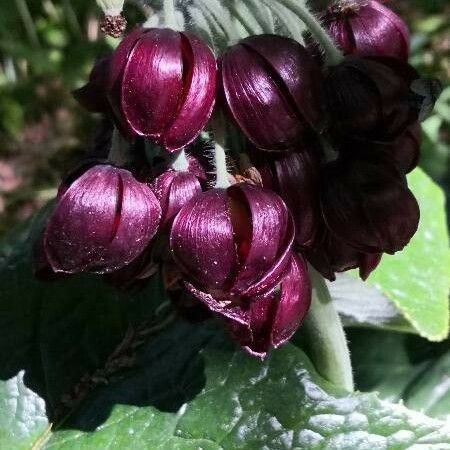
- 🌸 Hidden Blooms: A single, waxy flower—usually a delicate pale pink or white—tucks itself neatly under the shade of the leaves, nodding toward the ground.
🏡 In Your Garden
- 🌑 The Shade Seeker: This is a true woodland plant that thrives in the "dappled light" of a canopy. It will scorch quickly if exposed to the harsh afternoon sun.
- 💧 Moisture Consistency: It craves rich, humus-heavy soil that mimics a decaying forest floor. It dislikes "wet feet" but will go dormant early if the soil is allowed to dry out completely.
- ⏳ Slow & Steady: It is a slow-growing species that resents being moved. Because it relies on a delicate rhizome system, choose its "forever home" carefully to avoid transplant shock.
⚠️ Safety & Toxicity
- 🚫 Highly Toxic: Every part of this plant—roots, stems, leaves, and seeds—contains podophyllotoxin, a potent toxin that is extremely dangerous if ingested.
- 🐾 Pet & Child Risk: In late summer, the plant produces a fleshy, orange-to-red fruit. While it looks tempting, it is highly toxic. It should be planted far out of reach of curious children and pets.
✨ Fun Fact
🧬 Medicine from Poison: While the plant is deadly if eaten raw, the very toxins that make it dangerous are refined by pharmaceutical scientists to create Etoposide, a vital chemotherapy medication used to treat various types of cancer.

Detailed Care Instructions








