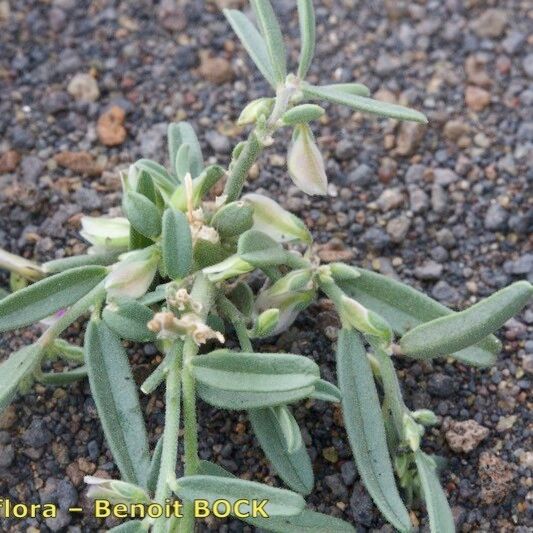
Plant Overview
Known as the Wing-fruited Milkwort, this delicate-looking herb is far tougher than it appears. Found dancing across the dry grasslands and sandy plains of Africa and Asia, it earns its name from its uniquely "winged" seeds that help it travel with the wind. The genus name Polygala comes from an ancient Greek belief that grazing on these plants would help cows produce more milk.
🔍 How to Identify
- 🌸 The Bloom: Look for tiny, asymmetrical flowers that often appear in shades of pink, purple, or greenish-white. They are clustered in short spikes and resemble miniature sweet pea blossoms.
- 🍃 Leaf Structure: The leaves are typically narrow and linear, arranged alternately along slender, somewhat wiry stems that can grow prostrate or upright.
- 🕊️ The "Wings": The most distinct feature is the fruit—a small capsule with hairy edges and "wings" that assist in seed dispersal once the flower fades.
🏡 In Your Garden
- 🏜️ Dry Land Survivor: This plant is a specialist in arid environments. It prefers well-draining, sandy, or stony soils and will struggle in heavy, waterlogged clay. It’s a "pioneer species," often being one of the first to pop up in disturbed or rocky patches.
- ☀️ Sun Seeker: To see those tiny flowers at their best, it needs plenty of direct sunlight. In a garden setting, it works beautifully in a rockery or a "wildling" corner where other plants might find the soil too poor or dry to survive.
⚠️ Safety & Toxicity
- 🟢 Status: Generally considered non-toxic to humans upon touch, but caution is advised regarding ingestion.
- 🐾 Pet & Child Safety: While not famously poisonous, many members of the Polygala family contain saponins. If eaten in large quantities, it could cause mild stomach upset or irritation for curious pets or toddlers. It is best enjoyed as a visual treat rather than a snack.
✨ Fun Fact
The "Milkwort" name isn't just a myth—in some traditional cultures, various species of Polygala were historically used in herbal teas specifically intended for nursing mothers, though modern science focuses more on their hardy ecological roles!

Detailed Care Instructions








