Plant Overview
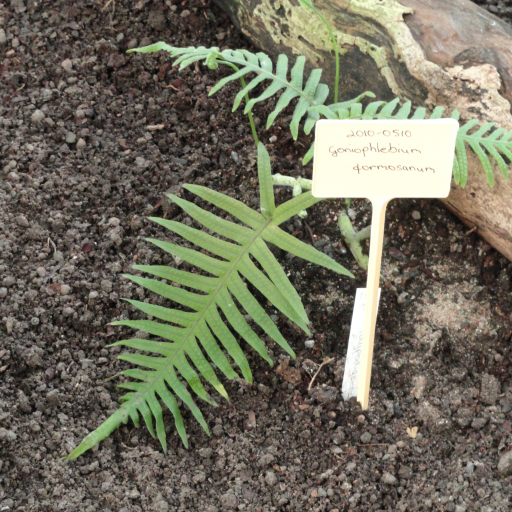
Meet the "Caterpillar Fern," a botanical illusion that looks like a collection of fuzzy green grubs is slowly making a getaway from its pot. Native to the mist-covered forests of Taiwan (formerly known as Formosa) and Japan, this epiphytic oddity is also affectionately called the "E.T. Fern" because its strange, fleshy rhizomes look like something from another planet. It’s a favorite for those who love "weird" plants that tell a story.
🔍 How to Identify
- 🐛 The "Caterpillars": The most striking feature is the creeping, fleshy rhizomes that grow horizontally over the soil surface. They are typically a soft, bluish-green or silvery color and are covered in tiny scales.
- 🌿 Lacy Fronds: The leaves (fronds) are a soft, matte green and deeply lobed, giving them a delicate, feathery appearance that contrasts beautifully with the chunky rhizomes.
- 🍂 Deciduous Habit: Unlike many tropical ferns, this species may drop its leaves during a dormant period in winter. If your plant goes "bald," don't panic—the "caterpillars" are likely just resting!
🏡 In Your Garden
- 🧗 Don't Bury the Feet: Because this plant is an epiphyte (it grows on trees in the wild), those caterpillar-like rhizomes hate being buried. They need to sit on top of the soil or be mounted on bark to "breathe."
- ☁️ Air & Moisture: It thrives in high-humidity environments but requires excellent air circulation. It’s an ideal candidate for a hanging basket where the rhizomes can spill over the edges, or a large, open terrarium.
- 💧 Watering Nuance: While it loves moisture, its fleshy rhizomes store water like a succulent. It prefers to dry out slightly between waterings rather than sitting in soggy, dense soil.
⚠️ Safety & Toxicity
- 🐾 Non-Toxic: Good news for pet owners! The Caterpillar Fern is generally considered non-toxic to cats and dogs.
- 👶 Child Safe: It is safe for households with children, though the delicate fronds can be easily damaged by curious little hands.
✨ Fun Fact
The name Polypodiodes formosana literally translates to "many-footed" (Polypod) from "Formosa" (Taiwan). In its native habitat, these "many feet" allow the fern to literally walk across mossy rocks and tree trunks to find the best light!

Detailed Care Instructions








