Plant Overview
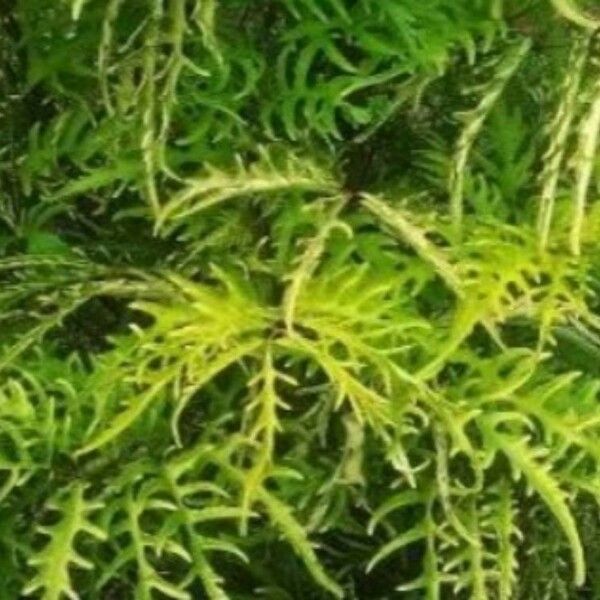
Often mistaken for a delicate fern because of its lacy, shredded foliage, the Fern-leaf Aralia is actually a sturdy tropical shrub native to the islands of the Pacific. This plant is a favorite for interior designers who want to create a "miniature forest" look, as its vertical growth mimics a full-sized tree in a compact form. While it looks high-maintenance, it is a rewarding companion for those who can mimic its warm, humid homeland.
🔍 How to Identify
- 🌿 The Foliage: The most striking feature is the leaves, which are deeply divided, serrated, and narrow, giving them a feathery, fern-like texture.
- 🪵 The Trunk: It develops a thick, woody stem that becomes more prominent with age, often showing small, pale bumps called lenticels.
- 📏 Growth Habit: Unlike many bushy houseplants, it grows strictly upright and narrow, making it an architectural choice for tight corners.
🏡 In Your Garden
- 💧 Humidity Lover: Because of its tropical roots, this plant is a "humidity hound." If your indoor air is too dry—especially in winter—it may drop its leaves in protest. A nearby humidifier or a pebble tray is often necessary.
- ☀️ Dappled Light: It thrives in bright, indirect light. Think of the filtered light under a jungle canopy; direct afternoon sun will scorch those delicate, thin leaves quite quickly.
- 🪴 Settling In: This species hates being moved. Once you find a spot where it is happy, avoid relocating it, as sudden changes in light or temperature can trigger a "drama queen" leaf drop.
⚠️ Safety & Toxicity
- 🐾 Pet Safety: Toxic to pets. It contains saponins which can cause drooling, vomiting, and loss of appetite in cats and dogs.
- 👶 Human Safety: While not deadly, the sap can cause mild skin irritation or a rash in sensitive individuals. It’s best to wear gloves when pruning and keep it out of reach of curious toddlers.
✨ Fun Fact
The genus name Polyscias comes from the Greek words polys (many) and skias (shadow). This refers to the plant’s extremely dense foliage, which provides a deep, cool shade in its native tropical environment!

Detailed Care Instructions
To grow Polyscias filicifolia, also known as Ming Aralia or fernleaf aralia, follow these steps:
- Select a suitable location: Polyscias filicifolia prefers bright but indirect sunlight. Choose a location with filtered or dappled light, or place it near a north or east-facing window.
- Provide the right temperature and humidity: This plant thrives in temperatures between 60-75°F (15-24°C). It appreciates slightly higher humidity, so group it with other plants or place a tray of water nearby to increase humidity.
- Choose the right pot and soil: Select a pot with drainage holes to prevent waterlogging. Use a well-draining potting mix that consists of a combination of perlite, peat moss, and sand.
- Watering: Water the plant when the top inch of soil feels dry to the touch. Allow the water to drain out completely to avoid waterlogged roots. Overwatering can lead to root rot.
- Fertilization: Feed Polyscias filicifolia with a balanced, water-soluble fertilizer during the growing season (spring and summer) every four to eight weeks. Follow the instructions on the fertilizer package for proper dosage.
- Pruning: Regularly trim and prune your plant to maintain its shape and remove any dead or yellowing leaves. Be careful not to over-prune, as this plant may take time to regrow its foliage.
- Propagation: Polyscias filicifolia can be propagated through stem cuttings. Take 4-6 inch cuttings from healthy stems, remove the lower leaves, and place them in a soilless rooting medium. Keep the cuttings warm, with high humidity, until they root.
- Repotting: As the plant grows, it may outgrow its pot. Repot Polyscias filicifolia once every 1-2 years, preferably in spring. Select a pot slightly larger in diameter and use fresh potting mix.
- Pest control: Regularly inspect your plant for pests like spider mites, mealybugs, and aphids. If found, treat the infested areas with an appropriate insecticide or use natural methods like neem oil or soap-water sprays.
By following these guidelines, you can grow a healthy and beautiful Polyscias filicifolia plant. Good luck!

Place in a window with dappled sun or a spot in the middle of a room. Or directly in a window facing west or east.

To effectively water this plant, first ensure that the soil is thoroughly dry before watering. When watering, slowly pour water onto the soil until it begins to flow out of the drainage holes at the bottom of the pot. Allow the excess water to drain away, and then empty any water that has collected in the saucer beneath the pot. Be sure to avoid getting water on the leaves, as this can cause damage or disease. Additionally, it is important not to over-water this plant, as it is susceptible to root rot. Allow the soil to dry out slightly between waterings, and adjust frequency depending on the environmental conditions and time of year.
To fertilize the plant, use a balanced and water-soluble fertilizer. Dilute the fertilizer according to the package instructions and apply it to the soil once per month during the growing season, which typically runs from spring through late summer. Avoid over-fertilizing the plant, as this can cause damage or even death. As always, be sure to conduct a soil test before fertilizing to ensure that your plant is receiving the proper nutrients.
Polyscias Filicifolia plant requires a specific soil type to thrive. It prefers a well-draining soil that is evenly moist but not waterlogged. The soil should be fertile and rich in organic matter, with a pH range of 5.5-7.0. A good mix for the soil could be composed of equal parts of peat moss, perlite, and vermiculite. Additionally, regular fertilization in the spring and summer can aid in the growth of the plant.
One way to propagate this plant is through stem cuttings. Choose a healthy stem with several leaves and make a clean cut below a node (where a leaf meets the stem). Remove the lower leaves and dip the cut end in rooting hormone powder. Then, plant the cutting in moist soil or a rooting medium such as perlite or vermiculite. Place the cutting in a bright but indirect light, and keep the soil moist but not waterlogged. It can take several weeks for the cutting to develop roots and begin to grow new leaves.
Common pests of the polyscias filicifolia include Scale insect, mealybugs, spider mites, aphids. Make a habit of checking your polyscias filicifolia frequently for pests so that any infestations can be caught and managed early.








