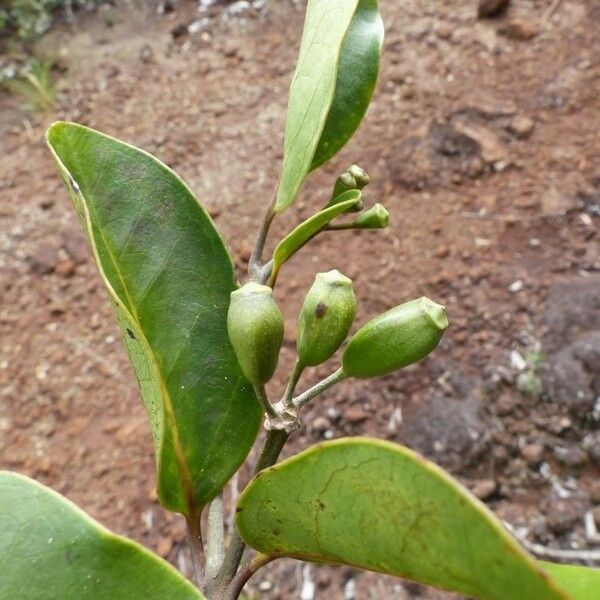
Plant Overview
Known affectionately as the Dinner Plate Aralia or the Balfour Aralia, this elegant tropical shrub is a favorite for those seeking a "miniature tree" aesthetic indoors. Originally from the Pacific Islands, it is prized for its rounded, scalloped leaves that look like they belong in a dollhouse kitchen. While it brings a sophisticated, architectural vibe to any room, it is a bit of a "drama queen" that demands consistency to thrive.
🔍 How to Identify
- 🍽️ The Foliage: Its most striking feature is its thick, leathery leaves which are nearly circular with slightly toothed or "pinked" edges, resembling small green plates.
- 🌳 The Trunk: Unlike many houseplants that remain soft, this Aralia develops a thick, woody, and corky stem as it matures, giving it a bonsai-like appearance even when young.
- 📏 Growth Pattern: It grows in an upright, columnar fashion, making it an excellent choice for tight corners where you want height without too much width.
🏡 In Your Garden
- 🌦️ The Golden Rule of Stability: This plant despises change. If you move it to a different room or fluctuate the temperature, it may respond by dropping its leaves in a "protest." Find a bright, humid spot with indirect light and let it stay there.
- 💧 Moisture Balance: It prefers its soil to stay consistently moist but never soggy. Because it has a fine root system, it is prone to root rot if left in standing water, so a well-draining potting mix is non-negotiable.
- ✂️ Pruning for Style: Since it grows vertically, you can easily prune the top to encourage a bushier habit or trim the lower leaves to highlight the rugged, textured trunk.
⚠️ Safety & Toxicity
- 🐾 Status: Toxic to Pets and Humans.
- 🧪 Details: The plant contains saponins and calcium oxalate crystals. If ingested by curious cats or dogs, it can cause oral irritation, drooling, vomiting, and difficulty swallowing. The sap can also cause mild skin irritation (dermatitis) for some gardeners, so wearing gloves during pruning is a smart move.
✨ Fun Fact
The genus name Polyscias is derived from the Greek words "polys" (many) and "skias" (shade), referencing the plant’s incredibly dense and lush foliage that provides a thick canopy of shade in its native tropical habitat.

Detailed Care Instructions








