Plant Overview
Known as the Tassel Fern or Japanese Lace Fern, this evergreen beauty is a masterpiece of the shade garden. Native to the forested slopes of Japan and South Korea, it is beloved for its glossy, dark green fronds that look as if they’ve been polished by hand. Its name comes from the unique way its young fiddleheads droop downward before unfurling, resembling the silk tassels on a formal curtain.
🔍 How to Identify
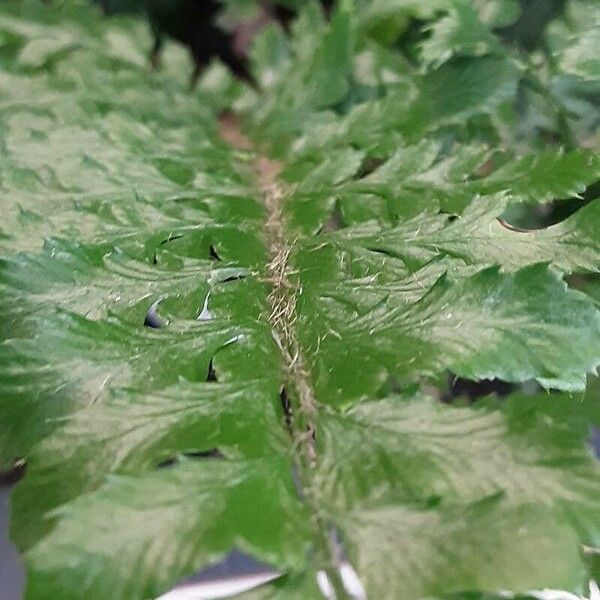
- 🌿 Lustrous Fronds: The foliage is exceptionally shiny and deep forest green, providing a "plastic-like" sheen that stands out against matte-leafed plants.
- 🧶 Tassel Fiddleheads: As new growth emerges in the spring, the fronds are covered in golden-brown scales and hang limply at the tips, creating the iconic "tassel" look.
- 📐 Symmetrical Rosette: The plant grows in a neat, vase-shaped clump, with fronds reaching outward in a highly organized, architectural pattern.
🏡 In Your Garden
- 💧 The Moisture Sweet-Spot: This fern thrives in rich, humic soil that stays consistently moist. However, it is sensitive to "wet feet," so ensuring your soil has enough organic matter to drain well is key to preventing crown rot.
- ❄️ Winter Interest: Unlike many ferns that wither at the first frost, the Tassel Fern is evergreen. It maintains its structure and color throughout the winter, offering a rare splash of green in a snowy or dormant landscape.
- ☁️ Shadow Dweller: It is a perfect candidate for full-shade corners where other plants struggle, though it can tolerate "dappled" sunlight if the soil remains cool and damp.
⚠️ Safety & Toxicity
- ✅ Non-Toxic: The Tassel Fern is generally considered safe and non-toxic for cats, dogs, and humans.
- 🧤 Sensory Note: While not poisonous, the stems are covered in fine, bristly scales (the "eyelashes"). While not sharp, these can occasionally feel slightly prickly or irritating to those with very sensitive skin during heavy pruning.
✨ Fun Fact
The botanical name polyblepharon literally translates from Greek to "many eyelashes." If you look closely at the stems (stipes), you’ll see the fine, hair-like bristles that earned the plant this charmingly anatomical name!

Detailed Care Instructions

Place in a dark room with little light, like a dark bedroom or a spot far away from a window or directly in a north-facing window.

The presence of a dry surface layer of soil does not indicate that the plant requires water. Instead, stick your finger 1-2" (3-5 cm) deep in the soil to feel dampness or moisture content. If the soil seems dry, it's time to water your greens. If the soil is still moist, however, it is better not to water your plant and instead wait a day or two. Overwatering or waterlogging raises the risk of root rot. So if the soil takes longer than a week to dry, check the light conditions because it's likely that the plant isn't getting enough light. It's fine if the upper layer of soil is dry between waterings, but the deeper soil layer should always have some moisture.
These plant needs regular fertilizing during growing seasons. Fertilizing your plants in dormant state during the winter, might result in scorching or browning of the leaf tips. If mature plants display signs of nutrient insufficiency, fertilizer administration is necessary to restore the plant to its previous state.








