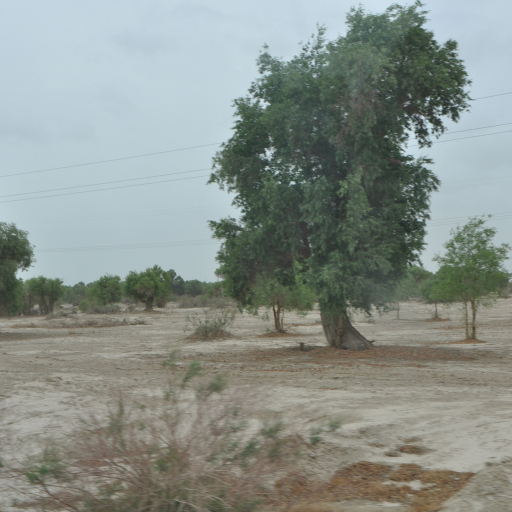
Plant Overview
Often called the "Desert Warrior" or the Euphrates Poplar, this resilient tree is a living legend of the Silk Road. Known for its incredible ability to survive in harsh, saline deserts where other trees would wither, it has earned the nickname "the tree that never dies." In many cultures, it symbolizes endurance and the indomitable spirit of life in the face of adversity.
🔍 How to Identify
- 🍃 Shape-Shifting Leaves: This tree is famous for heterophylly, meaning its leaves change shape. Young leaves look narrow like willow blades, while mature leaves are broad, round, and toothed like a typical poplar.
- 🪵 Rugged Bark: The trunk is covered in thick, deeply furrowed grayish-brown bark that acts like a suit of armor against abrasive desert sandstorms.
- 🌾 Pendulous Catkins: In early spring, the tree produces fuzzy, drooping flower clusters (catkins) that dance in the wind to release their seeds.
🏡 In Your Garden & Landscape
- 💧 The Water Seeker: While it lives in the desert, it is a "phreatophyte," meaning it has an incredibly deep taproot system designed to find underground water tables. If planting one, ensure it has plenty of space away from pipes or foundations.
- 🧂 Salt Tolerance: This is one of the few trees that actually thrives in salty soil. It survives by "sweating" out excess salt through its leaves, making it a hero for land reclamation and preventing desertification.
⚠️ Safety & Toxicity
- ✅ Safe for All: The Euphrates Poplar is generally considered non-toxic to humans, dogs, and cats. It is a friendly giant in the landscape.
- 🤧 Seasonal Allergies: Like many members of the willow family, the male trees release significant amounts of pollen in the spring, which may trigger hay fever for sensitive individuals.
✨ Fun Fact
In Chinese folklore, the Euphrates Poplar is said to have a "three thousand year" destiny: It lives for a thousand years, stands for a thousand years after it dies, and takes another thousand years to finally decay into the sand.

Detailed Care Instructions
To grow Populus Euphratica (also known as the Euphrates poplar or desert poplar), follow these steps:
- Obtain seeds or plant cuttings: You can look for seeds or cuttings at local nurseries, botanical gardens, or online seed suppliers. Make sure to choose a reputable source.
- Prepare the planting location: Euphratica poplars thrive in full sun and well-draining soil. Clear the area of weeds and other plants, and ensure that the soil is loose and fertile.
- Plant the seeds or cuttings: If using seeds, sow them in the planting location, keeping them about an inch deep in the soil. For cuttings, dig a small hole and gently place the cutting into it, ensuring it is secure.
- Water regularly: Euphratica poplars require regular watering, especially during the first two years of growth. Keep the soil moist but not waterlogged.
- Provide adequate care: Mulch around the base of the plant to retain moisture and control weeds. Fertilize the plant with a balanced, slow-release fertilizer in spring and early summer. Prune dead or damaged branches as needed.
- Protect from pests and diseases: Monitor for common pests like aphids, caterpillars, and beetles. Treat with organic insecticides if necessary. Also, watch out for diseases such as leaf spot or rust, and take appropriate measures to prevent their spread.
- Maintain proper spacing: Euphratica poplars are fast-growing trees and need adequate space to reach their full potential. Make sure to leave enough room between individual trees or plant them in a spot where they have enough space to spread out.
- Be patient: Euphratica poplars may take several years to reach maturity and start producing viable seeds. In the meantime, ensure they have proper care, water, and sunlight.
Remember to check with your local gardening experts or extension office for any specific recommendations or guidelines for growing Populus Euphratica in your region.

Place in a bright room that is sun drenched almost all day. Or directly in a south-facing window.

To water this particular species of plant, it is important to consider the climate and location in which it is planted. If the plant is situated in an area with hot and dry conditions, more frequent watering may be required. Additionally, the soil should be well-draining to prevent waterlogging and root rot. One way to ensure proper watering is to check the moisture level of the soil regularly by inserting a finger or moisture meter. Water should be applied slowly and evenly, allowing it to soak into the soil. It is important to avoid overwatering as this can lead to fungal diseases and other issues. In general, the plant should be given enough water to keep the soil damp but not waterlogged. Adjusting the watering schedule and amount based on the specific needs of the plant can help it thrive and remain healthy.
To fertilize this plant, mix a balanced fertilizer with equal amounts of nitrogen, phosphorus, and potassium. Spread the fertilizer uniformly around the base of the plant, taking care not to apply it directly to the stem. Water the plant thoroughly after fertilizing. Repeat this process every 4-6 weeks during the growing season.
The recommended soil for the plant in question should be well-draining and loose with good aeration. It should have a pH range of 6.0 to 8.0 and should be rich in organic matter and nutrients, such as nitrogen, phosphorus, and potassium. The soil should not be heavily compacted and should be able to retain moisture without becoming waterlogged. The plant prefers soil that is slightly alkaline. The use of a slow-release fertilizer is suggested to provide the plant with the necessary nutrients over an extended period. It is also recommended to add sand and perlite to the soil mix to increase drainage and improve aeration.
To propagate this plant, take a cutting from the mature plant during its dormant period. The cutting should be approximately 6 inches long and have at least three nodes. Dip the bottom end of the cutting in rooting hormone and plant it in moist soil or sand. Keep the cutting in a warm and humid environment with indirect sunlight. Water the cutting regularly to keep the soil moist, but not waterlogged. After a few weeks, the cutting should start to develop roots. Once the roots are well-established, the cutting can be transplanted to its permanent location.








