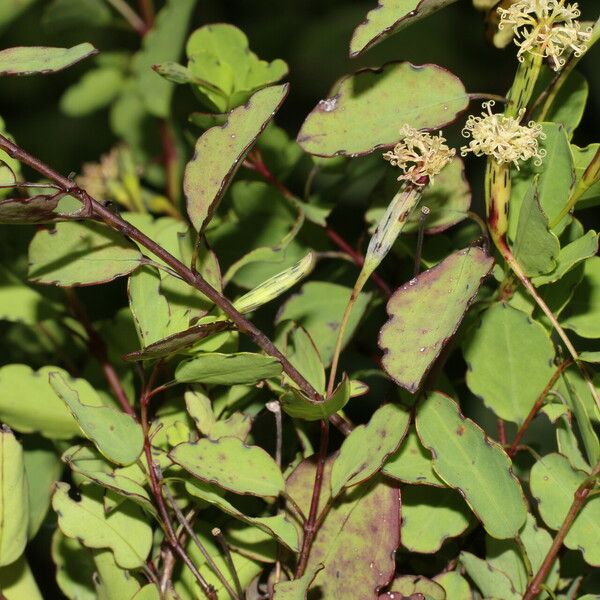
Plant Overview
Known affectionately as Pipicha or Yerba del Venado (Deer’s Herb), this slender Mexican native is a culinary hidden gem. Often described as cilantro’s "wilder, punchier cousin," it carries a complex aroma of citrus and pine. In Mexican folklore, it was believed that deer would seek out this plant to nibble on, giving it a reputation for being a hardy survivor of the sun-drenched highlands.
🔍 How to Identify
- 🍃 The "Punctatum" Dots: If you hold a leaf up to the light, you will see tiny, translucent dots. These are oil glands that store the plant's intense aromatic compounds.
- 🌿 Slender Profile: The leaves are remarkably narrow and lance-shaped, growing on upright, wiry stems that can reach up to 3 feet tall.
- 🌼 Shaving-Brush Blooms: Instead of wide petals, it produces upright, cylindrical flower heads that look like miniature green brushes tipped with purplish or yellow bristles.
🏡 In Your Garden
- ☀️ Heat Warrior: Unlike cilantro, which "bolts" and dies as soon as it gets hot, Pipicha thrives in the mid-summer heat. It is the perfect summer substitute for herb lovers in warm climates.
- 🌱 Taproot Sensitivity: This plant develops a deep taproot quickly. It hates being moved once established, so it is best to sow seeds directly into the garden or a deep permanent pot.
- ⛰️ Lean Soil Preference: It actually prefers "poor" or sandy soil. If you give it too much fertilizer, the plant will grow fast but will lose that signature pungent flavor.
⚠️ Safety & Toxicity
- ✅ Status: Generally safe and widely used as a culinary herb in soups, salsas, and meat dishes.
- 🐾 Pets & Kids: It is considered non-toxic to humans and common household pets. However, because of its high concentration of essential oils, eating large quantities may cause mild stomach upset in sensitive cats or dogs.
✨ Fun Fact
The name Porophyllum comes from the Greek words poros (pore) and phyllon (leaf), referring to those distinctive "holes" or oil glands that make the plant look like it has been poked with a tiny needle!

Detailed Care Instructions

Some plants require more regular watering than others, which should be done every few days. It's critical to maintain the soil moist all of the time. The water requirements of the same plant placed in pots with varying sizes will differ. Because the water in the smaller pot evaporates faster than the water in the larger pot, it will require more watering. Regardless of pot size, the surface should constantly be maintained moist.








