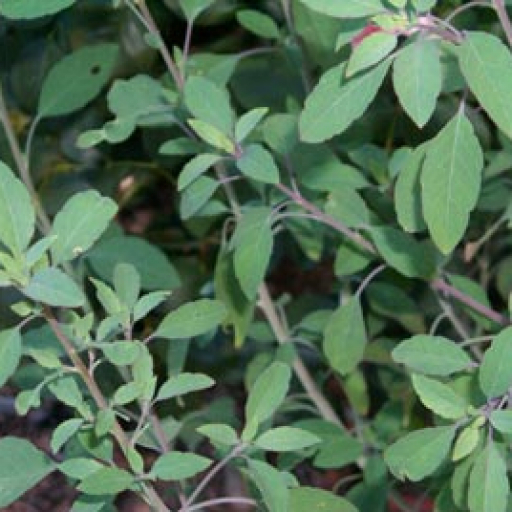
Plant Overview
Known as the "Bolivian Coriander" or simply Papalo, this vibrant herb is a hidden gem for gardeners who love the zest of cilantro but struggle with that plant’s tendency to shrivel in the heat. A staple in Mexican "cemita" sandwiches and street-side taco stands, Papalo offers a bold, complex flavor profile that blends notes of citrus, arugula, and a hint of mint. It is a rugged, ancient herb that brings a prehistoric, blue-green beauty to any edible landscape.
🔍 How to Identify
- 🍃 Scalloped Blue Foliage: The leaves are a distinctive glaucous, blue-green color with elegant, rounded "scallops" along the margins, rather than the jagged edges of common cilantro.
- 🕳️ Visible Oil Glands: If you hold a leaf up to the sunlight, you will see tiny, translucent dots. These are "pores" or oil glands that hold the plant's intense aromatic compounds.
- 🌱 Stately Growth: Unlike low-growing herbs, Papalo is an upright, branching plant that can easily reach 3 to 5 feet in height, resembling a small, airy shrub by late summer.
🏡 In Your Garden
- ☀️ The Summer Hero: While traditional cilantro "bolts" (goes to seed) as soon as the temperature rises, Papalo thrives in intense heat and full sun. It is the perfect solution for a year-round salsa garden.
- 💧 Drought Resilience: Once established, it is remarkably water-wise. It prefers well-draining soil and can handle periods of dry weather much better than most leafy kitchen herbs.
- ✂️ Harvesting Style: To keep the plant bushy, pinch off the top growth regularly. It is best used fresh and raw; its delicate aromatic oils break down quickly when cooked or dried.
⚠️ Safety & Toxicity
- 🥗 Safe for Consumption: Papalo is non-toxic and celebrated for its culinary uses. It is traditionally used as a digestive aid in South American folk medicine.
- 🐾 Potent Oils: While not considered toxic to cats or dogs, the essential oils are very strong. Some pets may find the pungent scent repulsive, and sensitive animals might experience mild mouth irritation if they chew on the stems.
✨ Fun Fact
The name Porophyllum literally translates from Greek to "Pore-Leaf." This refers to those translucent dots on the leaves, which act like tiny perfume bottles, releasing a cloud of citrusy fragrance whenever the wind brushes against the plant.

Detailed Care Instructions
| Humidity | Normal |
| Lighting | Full Sun |
| Difficulty | Medium |
| Hibernation | Cold Period |
| Temperature | 11°C - 21°C |
| Hardiness Zones | 10 - 11 |
To grow Porophyllum ruderale, also known as papalo or Bolivian coriander, you can follow these steps:
- Seed acquisition: Purchase seeds of Porophyllum ruderale from a reputable supplier or collect seeds from a mature plant (if available).
- Germination: Place the seeds in a seed tray or small pots filled with well-draining potting soil. Cover the seeds lightly with soil and mist with water to keep the soil moist. Place the tray or pots in a warm, sunny location (at least 70°F or 21°C).
- Watering: Keep the soil consistently moist but not waterlogged. Avoid overwatering as it can cause root rot.
- Transplanting: Once the seedlings have developed a few sets of true leaves and are strong enough, transplant them into larger containers or into the ground. Choose a location with well-draining soil and full sun to partial shade exposure.
- Soil requirements: Porophyllum ruderale prefers well-draining soil with a pH range of 6.0-7.5. If the soil is heavy or compacted, amend it with organic matter such as compost to improve drainage.
- Fertilization: Apply a balanced, slow-release fertilizer according to the package instructions once the plants are established. This will provide essential nutrients for healthy growth.
- Pruning: Trim the plant regularly to encourage bushier growth and to prevent it from becoming leggy. Pinch off the top growth regularly to promote branching.
- Pests and diseases: Monitor the plant for common pests like aphids and caterpillars. If infestation occurs, use organic pest control methods or insecticidal soap to manage the problem. Avoid overhead watering to prevent fungal diseases.
- Harvesting: Harvest the leaves of Porophyllum ruderale as required for culinary use. The leaves have a strong, pungent flavor similar to cilantro and can be used fresh in salads, soups, or salsas.
- Winter care (if applicable): If you live in a region with cold winters, Porophyllum ruderale may not survive outdoors. In this case, you can grow it as an annual or move it indoors before the first frost and provide it with sufficient light and warmth.
Remember to research and comply with any regulations or restrictions on growing Porophyllum ruderale in your area, as it may be considered an invasive species in some regions.

Place in a bright room that is sun drenched almost all day. Or directly in a south-facing window.

To water this plant, ensure that you use lukewarm water, as cold water can stunt its growth. Water the soil around the base of the plant, slowly and evenly, making sure not to wet the leaves or stem. Be sure to only water the plant when the soil is dry to the touch, which is typically every 1-2 weeks depending on the environment. Overwatering can lead to root rot and other plant diseases, so be mindful of how much water is being applied. Finally, avoid getting water on the leaves or stem of the plant, as this can lead to a loss of vigor and defoliation.
To fertilize this plant, use a general-purpose fertilizer with balanced NPK (nitrogen, phosphorus, and potassium) ratios. Apply the fertilizer around the base of the plant during the growing season, every 2 to 3 weeks. Avoid over-fertilizing, as it can damage the roots and the plant. Water the plant after fertilizing to help the nutrients reach the roots.
Porophyllum Ruderale plant prefers soil that is well-drained and slightly sandy. It does well in soil that is slightly alkaline with a pH of around 7.0. The soil should be rich in organic matter and nutrients, containing a good mix of nitrogen, phosphorus, and potassium. Additionally, a moderate amount of moisture is required for Porophyllum Ruderale plant to thrive, so while the soil should be well-draining it should also retain enough moisture to keep the plant hydrated. A mixture of compost or peat moss and coarse sand is ideal for planting Porophyllum Ruderale plant in a container, while for outdoor planting, adding organic matter such as compost or leaf mold to the soil will ensure it is fertile and rich in minerals.
To propagate this plant, first select a healthy mature plant with strong stems and vibrant leaves. Next, carefully take a stem cutting from the parent plant and remove any leaves from the lower 1/3 of the stem. Dip the cut end into a rooting hormone powder and plant it in a well-draining potting mix. Keep the cutting moist and in indirect sunlight. After a few weeks, roots should start to form, indicating successful propagation. Gradually acclimate the new plant to direct sunlight and water regularly to encourage growth.
Common pests of the yerba porosa include Spider mites, fungus gnats, thrips. Make a habit of checking your yerba porosa frequently for pests so that any infestations can be caught and managed early.








