Plant Overview
Often called the Wingpod Purslane or "Ornamental Purslane," this vibrant succulent is a master of the summer heat. While many gardeners mistake it for its wild, weedy cousin or the needle-leafed Moss Rose, Portulaca umbraticola is a distinct beauty prized for its satiny, neon-colored blooms. Originating from the Americas, it has transformed from a rugged survivor into a staple for hanging baskets and rock gardens worldwide.
🔍 How to Identify
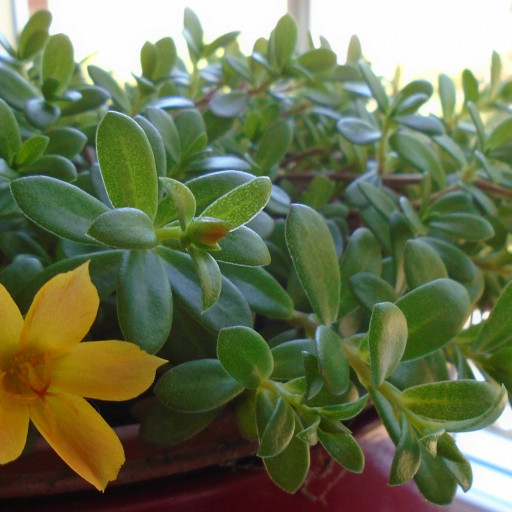
- 🍃 Spoon-Shaped Leaves: Unlike the cylindrical, needle-like leaves of other Portulacas, these leaves are flat, fleshy, and shaped like small paddles or spoons.
- 🌸 Satin Blooms: The flowers possess a distinct shimmering texture, appearing almost like crumpled silk. They come in intense shades of gold, scarlet, magenta, and often striking bicolors.
- 🚁 Winged Seed Pods: The botanical name umbraticola refers to the "wing" or rim that encircles the seed capsule, looking like a tiny flying saucer once the flower fades.
🏡 In Your Garden
- ☀️ The Sun Requirement: This plant is a literal sun-worshiper. Its flowers are programmed to open only in bright sunlight; on cloudy days or in the shade, the blooms will remain tightly shut to protect their pollen.
- 🏜️ Thrives on Neglect: Because it stores water in its thick stems and leaves, it prefers "rugged" conditions. It actually performs better in sandy, poor-quality soil than in rich, organic potting mixes, which can cause the plant to become mushy and rot.
- 🦋 Pollinator Magnet: Despite its low-to-the-ground creeping habit, it is a favorite stop for honeybees and small butterflies who are attracted to the high-contrast centers of the flowers.
⚠️ Safety & Toxicity
- 🐾 Toxic to Pets: Portulaca umbraticola contains soluble calcium oxalates. While humans sometimes eat certain purslane varieties, this plant is toxic to dogs, cats, and horses, potentially causing tremors or kidney issues if consumed in large quantities.
- 👶 Safe to Touch: The plant is non-toxic to the touch and lacks thorns or irritating sap, making it a safe choice for flower beds near walkways where children might brush against it.
✨ Fun Fact
The flowers of the Wingpod Purslane are "diurnal sleepers." They follow a very strict schedule, usually opening around 9:00 AM and closing by late afternoon. Even if you bring them inside to a bright room, they will still close up at the same time as their outdoor siblings, following their internal biological clock!

Detailed Care Instructions
| Color | Yellow / Golden, Red, Pink |
| Soil Ph | 6.0-6.5 Ph |
| Humidity | Normal |
| Lighting | Full Sun |
| Toxicity | Non-Toxic |
| Soil Type | Loam, Clay, Sand |
| Bloom Time | Late Summer |
| Difficulty | Easy |
| Plant Type | Succulent, Annual |
| Hibernation | Cold Period |
| Mature Size | 6 Inches Tall |
| Native Area | India |
| Temperature | 18°C - 23°C |
| Sun Exposure | Full Sun |
| Hardiness Zones | 3-12 |
To help grow Portulaca Umbraticola plant, follow these steps:
- Choose a suitable location: Portulaca Umbraticola plants prefer full sun to thrive, so select an area in your garden or balcony that receives at least 6-8 hours of direct sunlight per day.
- Prepare the soil: Ensure that the soil is well-drained as these plants do not tolerate wet or waterlogged conditions. Sandy or loamy soil is recommended. If the soil is heavy and clayey, consider adding organic matter, such as compost, to improve drainage.
- Planting: Plant Portulaca Umbraticola seeds or seedlings in the prepared soil. If sowing seeds directly, scatter them on the soil surface and gently press them in. Alternatively, plant the seedlings a few inches apart to allow for their spread as they grow.
- Watering: While Portulaca Umbraticola is drought-tolerant, regular watering is necessary for proper growth. Water the plants deeply once a week, allowing the soil to dry out slightly between waterings. Avoid overwatering, as it can cause root rot.
- Fertilizing: Portulaca Umbraticola plants are not heavy feeders but can benefit from a balanced, slow-release fertilizer applied during the growing season. Follow the instructions on the fertilizer package for proper dosage and frequency.
- Mulching: Applying a layer of organic mulch, such as dried leaves or wood chips, around the base of the plants can help conserve moisture, suppress weed growth, and keep the soil cool.
- Pruning: Portulaca Umbraticola plants have a trailing or spreading growth habit, so occasional pruning or pinching off spent flowers can help maintain their shape and encourage bushier growth.
- Pests and diseases: These plants are generally resistant to pests and diseases. However, keep an eye out for infestations of aphids or mealybugs. If necessary, treat with an organic insecticidal soap or a homemade solution of water mixed with a few drops of dish soap.
- Propagation: Portulaca Umbraticola can be easily propagated through stem cuttings. Simply take a healthy cutting from the mother plant, remove the lower leaves, and place it in well-draining soil. Keep the soil moist until roots develop.
By following these care tips, you should be able to successfully grow Portulaca Umbraticola plants. Enjoy their beautiful, vibrant flowers throughout the growing season.

Place in a bright room that is sun drenched almost all day. Or directly in a south-facing window.

To water this plant, you should first check the soil to ensure that it has dried out completely. Once you confirm that the soil is dry, fill a watering can with room temperature water and slowly pour it onto the soil until it is fully moistened. Avoid getting too much water on the leaves as this can cause damage. Depending on the climate and temperature, you may need to water this plant once or twice a week. Always monitor the soil moisture level and adjust your watering frequency accordingly. It is important not to overwater this plant as it is susceptible to root rot.
To effectively fertilize the Portulaca Umbraticola plant, you can follow these instructions:
- Choose a balanced fertilizer: Look for a balanced water-soluble fertilizer with equal ratios of nitrogen (N), phosphorus (P), and potassium (K). For example, a 10-10-10 fertilizer or a similar blend would work.
- Dilute the fertilizer: Read the instructions on the fertilizer packaging and dilute it according to the recommended dosage. Typically, you'll need to mix a certain amount of fertilizer with water to achieve the desired concentration.
- Water the plant: Before applying the fertilizer, thoroughly water the Portulaca Umbraticola plant. This will help prevent fertilizer burn and ensure even absorption.
- Apply the fertilizer: Pour the diluted fertilizer solution around the base of the plant. Be cautious not to get any on the leaves or flowers, as it may cause burning.
- Repeat as needed: During the growing season, which is typically spring to fall, fertilize the Portulaca Umbraticola plant every four to six weeks. Adjust the frequency of fertilization depending on the specific fertilizer's instructions.
- Monitor for signs of over-fertilization: Watch for signs of nutrient burn, such as brown or yellow edges on leaves, wilting, or stunted growth. If you notice any of these symptoms, discontinue fertilizing, flush the soil with water to leach out excess nutrients, and adjust your fertilization schedule as necessary.
Remember to always read and follow the specific instructions provided by the fertilizer manufacturer, as application rates and frequency may vary. Additionally, it's crucial to understand and respect the sensitivity of the Portulaca Umbraticola plant to avoid any negative effects of fertilizer application.
Portulaca Umbraticola plant prefer well-draining soils that are low in nutrients. The ideal soil type for this plant is sandy or loamy soil with a pH ranging from 5.5 to 7.0. The soil should also be able to retain some moisture without becoming waterlogged as these plants are drought-resistant but not tolerant of water-logged soil. Adding some organic matter to the soil as a top dressing can help improve soil texture and increase nutrient availability, but be careful not to over-fertilize the plant. In addition, it is important to avoid using heavy soils, dense clay soils or soils with high levels of nutrients, as they can lead to root rot, iron chlorosis and other health issues for this plant.
To propagate this plant, break off a stem from the parent plant, making sure it is at least three inches long. Remove the leaves from the lower two inches of the stem. Dip the cut end of the stem into rooting hormone powder and plant it in well-draining soil. Water the propagated stem and cover it with a plastic bag to create a greenhouse effect. Put the plant in a bright but indirect light and keep the soil consistently moist. After around three weeks, roots should start to form. At this point, you can remove the plastic bag and continue to water regularly. Once the plant has established itself in its new container, it can be transplanted.
Common pests of the wingpod purslane include Aphids. Make a habit of checking your wingpod purslane frequently for pests so that any infestations can be caught and managed early.








