Plant Overview
Often called the Ribbonleaf Pondweed, Potamogeton epihydrus is a master of two worlds. It lives a fascinating double life, maintaining delicate, flowing ribbons beneath the water while resting sturdy, sun-bathing leaves on the surface. Native to North American lakes and streams, it acts as a vital underwater architect, building "forests" that support entire aquatic neighborhoods.
🔍 How to Identify
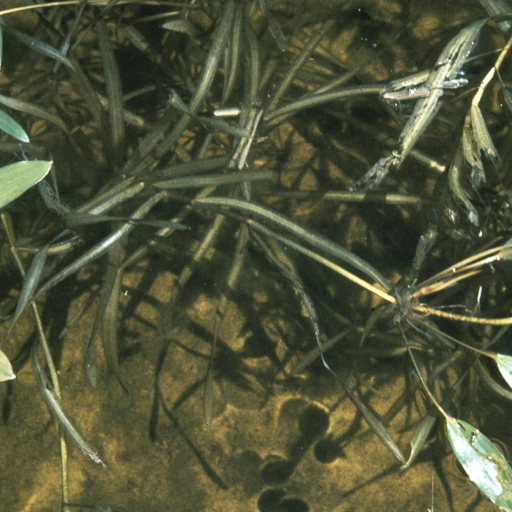
- 🌿 Ribbon Leaves: The submerged leaves are its namesake—long, linear, and translucent, looking like green crepe paper flowing with the current.
- 🍃 Floating Ovals: The surface leaves are starkly different; they are leathery, elliptical, and often take on a reddish-maroon hue in bright sunlight.
- 📏 The "Racing Stripe": If you look closely at a submerged leaf, you will see a prominent wide band of pale, air-filled cells (lacunae) running right down the center.
🏡 In Your Garden & Pond
- 💧 Water Quality Indicator: This plant is a bit of a "clean water snob." It prefers clear, quiet, or slow-moving water and can even handle slightly acidic conditions that would stress other pondweeds.
- 🐟 The Fish Nursery: In a garden pond or natural lake, these plants provide essential "structure." The dense submerged ribbons offer the perfect hiding spot for fish fry and dragonflies to escape predators.
⚠️ Safety & Toxicity
- ✅ Non-Toxic: Potamogeton epihydrus is safe for humans, dogs, and cats. It is a natural, non-hazardous component of freshwater ecosystems.
- 🌾 Ecological Balance: While safe, it can grow quite vigorously in small koi ponds. If it covers more than 20% of the surface, it’s a good idea to thin it out to ensure enough oxygen reaches the water below.
✨ Fun Fact
🦆 The Duck’s Diner: This plant is a high-energy buffet for wildlife! Ducks specifically seek out the nutrient-rich seeds and the starchy winter buds (called turions) to fuel up for their long migrations.

Detailed Care Instructions
To grow Potamogeton epihydrus (ribbonleaf pondweed), you can follow these steps:
- Obtain the plant: You can purchase seeds or cuttings of Potamogeton epihydrus from a reputable nursery or online supplier specializing in aquatic plants.
- Choose a suitable location: Potamogeton epihydrus requires a water depth ranging from 15 cm to 1.2 meters (6 inches to 4 feet) and full sun to light shade. Make sure you have a pond or water body with these requirements.
- Prepare the planting site: Clear any weeds or unwanted plants from the area where you plan to plant Potamogeton epihydrus. Remove any debris or rocks that may interfere with the growth of the plant.
- Planting method 1: Direct seeding - If you have seeds, scatter them evenly over the surface of the water in the desired planting area. The seeds will sink and germinate in the sediment.
- Planting method 2: Transplanting cuttings - For cuttings, take healthy stems with several leaves and roots attached. Dig holes in the sediment and plant the cuttings, making sure the stems are securely anchored in the soil.
- Maintain proper water conditions: Potamogeton epihydrus prefers clean, freshwater environments. Monitor the water quality, including temperature, pH, and nutrient levels. Aim for a pH range of 6.5-8.5 and a temperature between 15-25°C (59-77°F).
- Provide adequate sunlight: Potamogeton epihydrus needs at least 6 hours of direct sunlight daily to thrive. If your planting area is shaded, consider pruning surrounding vegetation or relocating the plant to a sunnier spot.
- Control weed growth: Regularly remove any competing or invasive plants that may overshadow or outcompete Potamogeton epihydrus. This will help ensure its proper growth.
- Avoid disturbance: Limit excessive water movement, such as strong currents or wave action, as it can uproot or damage the plant. Keep larger aquatic animals away from the planting area, as they may disturb the sediment and dislodge the plants.
- Monitor and maintain: Periodically check the growth and health of your Potamogeton epihydrus plants. Trim any damaged or decaying parts and maintain consistent water quality.
Remember that each plant species may have specific requirements, so it's always beneficial to do additional research or consult an expert to optimize the growth of Potamogeton epihydrus in your particular environment.

Place in a bright room that is sun drenched almost all day. Or directly in a south-facing window.

Potamogeton Epihydrus plant prefers to be watered using distilled water or rainwater to avoid any buildup of minerals in the soil. It is essential to keep the soil consistently moist at all times, but not too wet as this can cause root rot. Watering once or twice a week is sufficient, or as needed when the soil feels dry to the touch. When watering, it is best to pour the water slowly and evenly around the base of the plant, avoiding wetting the leaves as this can promote mold or fungal growth. Adequate drainage must also be ensured, which can be achieved by having holes at the bottom of the pot or using a well-draining soil mix. Additionally, it is crucial to avoid using fluoridated or chlorinated tap water as this can be harmful to the plant.
- Use a balanced aquatic fertilizer that is specifically formulated for submerged plants.
- Follow the instructions on the fertilizer package for application rates based on the water volume in your pond.
- Apply the fertilizer evenly around the entire plant or throughout the planting area.
- Avoid applying too much fertilizer, as this can lead to algae blooms and harm your aquatic ecosystem.
- Fertilize your Potamogeton Epihydrus plant regularly throughout the growing season, starting in early spring and continuing through late summer or early fall.
- Monitor your plant's growth and adjust your fertilizer application rate as needed.
Potamogeton Epihydrus plant prefers a nutrient-rich, well-draining soil that is slightly acidic to neutral in pH. The ideal soil type is a sandy loam, which provides adequate drainage and allows the roots to easily penetrate. The soil should be kept consistently moist but not waterlogged, as the plant needs adequate oxygen in the root zone to thrive. It is recommended to add organic matter to the soil, such as compost or well-rotted manure, to increase its fertility and improve its structure. Additionally, adding a slow-release fertilizer formulated for aquatic plants can provide the necessary nutrients for healthy growth.
To propagate this aquatic plant, you will need to collect a mature specimen with roots attached. Cut the stem and roots just below the main plant body and gently wash off any soil or debris. Prepare a planting substrate by mixing soil and sand or adding specialized aquatic plant substrate to a container of water. Place the plant cutting into the substrate with the main body buried slightly below the surface and the stem and roots submerged. Keep the container in a well-lit area that is between 20-25 degrees Celsius and change the water frequently to maintain water quality. After three to four weeks, new shoots will start to appear from the cuttings. When these new shoots have developed strong roots, carefully remove them and replant them in a larger container or aquarium. Repeat this process until you have propagated as many plants as desired.








