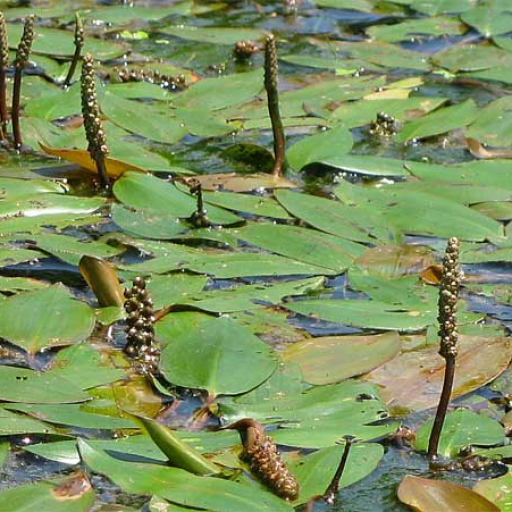
Plant Overview
Often called the Longleaf Pondweed, this hardy aquatic perennial is a silent architect of freshwater worlds. Spanning across the globe, it serves as both a nursery for tiny fish and a rest stop for weary waterfowl. Its ability to produce two distinct types of foliage makes it a master of adaptation, allowing it to breathe and thrive even as water levels rise and fall.
🔍 How to Identify
- 🍃 Dual Foliage: It features long, elliptical floating leaves that feel leathery to the touch, while its submerged leaves are narrower, longer, and often appear translucent.
- 📍 Distinctive Tips: The floating leaves are typically pointed at both ends and are held by long, sturdy stalks that can reach several feet to reach the surface.
- 🌾 Cylindrical Blooms: In summer, it sends up brownish-green flower spikes that stand vertically above the water line, looking like tiny, textured cigars.
🏡 In Your Garden
- 💧 Depth & Flow: This plant is perfect for naturalized ponds or slow-moving water features. It prefers a depth of 2 to 4 feet and requires a muddy or silty bottom to anchor its creeping rhizomes.
- 🐟 The "Fish Hotel": In a backyard pond, it acts as a "biological engineer" by providing shade that keeps water temperatures down and offering a maze-like habitat where gold-fish fry can hide from predators.
⚠️ Safety & Toxicity
- ✅ Safe Profile: Potamogeton nodosus is non-toxic to humans, dogs, cats, and horses. It is a natural part of the freshwater food chain.
- 🦠 Handling Note: While the plant itself isn't poisonous, aquatic plants can harbor pond bacteria or parasites. It is always best to wear gloves when thinning them out or wash your hands thoroughly after pond maintenance.
✨ Fun Fact
- 🦆 The Feathered Express: The seeds of the Longleaf Pondweed are a favorite snack for migrating ducks. Because the seeds can survive the bird's digestive tract, they are often "planted" in new, isolated ponds miles away after the duck takes flight!

Detailed Care Instructions
| Humidity | High |
| Lighting | Part Sun |
| Difficulty | Medium |
| Hibernation | Cold Period |
Here are some steps on how to grow Potamogeton nodosus, commonly known as the American pondweed:
- Obtain plant or seeds: You can either purchase Potamogeton nodosus plants or collect seeds from existing plants. If collecting seeds, ensure they are mature and dry.
- Planting in an aquarium or pond: American pondweed thrives in water bodies like aquariums or ponds. Create a suitable environment by filling the bottom with a layer of loamy soil or aquatic substrate.
- Planting: For seeds, sprinkle them gently over the soil or substrate. For plants, dig small holes in the substrate and place the plants root system into the holes. Cover the roots with the substrate to hold them in place.
- Water: Place the planted container in water, ensuring that the plant is fully submerged. Maintain water depth to be approximately 6-12 inches, as this species prefers shallow water.
- Lighting: Potamogeton nodosus requires adequate lighting for photosynthesis. Provide bright, indirect or full-spectrum light for around 10-12 hours a day using artificial lighting or placing the container in a well-lit area.
- Water quality: Maintain clean and healthy water conditions. Regularly check and adjust the parameters such as pH, temperature, and nitrate levels according to the requirements of Potamogeton nodosus.
- Fertilization: Supplement the plant's growth by adding appropriate aquatic fertilizer tablets or liquid fertilizer designed for aquarium or pond plants. Follow the instructions provided with the fertilizer to avoid over-fertilization.
- Propagation: Potamogeton nodosus can reproduce vegetatively by producing runners or rhizomes. These runners or rhizomes can be separated from the parent plant and replanted to propagate new plants.
- Maintenance: Remove any decaying or dead plant material regularly to prevent algae growth and ensure healthy growth of Potamogeton nodosus.
- Winter care: If you live in a cold climate, protect the plants during winter by moving potted plants indoors or providing insulation to the plants in outdoor ponds.
Remember to research and understand the specific care requirements of Potamogeton nodosus to ensure optimal growth and health of the plant.

Place in a bright room that is sun drenched almost all day. Or directly in a south-facing window.

Potamogeton Nodosus plant is an aquatic plant that grows in shallow water bodies and wetland areas. It is essential to provide adequate water to this plant to ensure its growth and survival. Here are a few detail about how to water the Potamogeton Nodosus plant:
1. Soil moisture: Check the moisture of the soil by inserting your finger into the soil up to two inches. If the soil feels dry, it's time to water the plant.
2. Water quantity: Fill the container with water, enough to submerge the plant into the water.
3. Light requirements: Place the container in a spot where the plant receives enough sunlight. It should have access to 5 to 6 hours of direct sunlight per day.
4. Water temperature: Make sure the water is neither too warm nor too cold. The ideal water temperature for Potamogeton Nodosus is between 18 to 22 degrees Celsius.
5. Water quality: Use clean, fresh water to water the plant. If possible, use rainwater or distilled water, as high levels of chlorine and other chemicals in tap water can harm the plant.
6. Watering frequency: The plant should be watered daily, or as needed if the soil feels dry. During the summer months, the plant may require more watering due to the heat and evaporation.
7. Water depth: Ensure that the water level is high enough to cover the entire plant, including the leaves and stems. However, do not fill the container too high that the pot rims go below the water level.
8. Drainage: Always ensure that the container has adequate drainage to prevent the build-up of standing water, which can cause root rot or other diseases.
By following these measures, you can ensure proper watering of your Potamogeton Nodosus plant, providing healthy growth, and prolonging its lifespan.
To properly fertilize Potamogeton Nodosus plant, follow these instructions:
- Choose a balanced, water-soluble fertilizer specifically formulated for aquatic plants. Look for one that is rich in essential nutrients like nitrogen, phosphorus, and potassium.
- Begin fertilizing in the spring, once the plant starts actively growing, and continue throughout the growing season, typically until early fall.
- Dilute the fertilizer according to the package instructions. Usually, a recommended rate is about 1 teaspoon of fertilizer per gallon of water.
- Carefully pour the diluted fertilizer solution into the water around the plant. Avoid directly applying fertilizer on the leaves or stems of the plant.
- Do not over-fertilize the plant as it can lead to excessive algae growth or damage the plant roots. Follow the recommended dosage and frequency mentioned on the fertilizer packaging.
- Monitor the plant's response to the fertilizer and adjust the frequency or dilution as necessary. If the plant shows signs of nutrient deficiencies or excessive nutrient concentration in the water, adjust the fertilization accordingly.
- Regularly test the water quality parameters, such as pH, ammonia, and nitrate levels, to ensure they are within the acceptable range for the aquatic plant. High nutrient levels can indicate the need for adjusting the fertilization routine.
- If you notice excessive algae growth, reduce the fertilization frequency or consider using a slow-release fertilizer specifically designed for aquatic plants.
Remember, the specific needs of aquatic plants may vary, so it's always a good idea to consult a local gardening expert or a specialist in aquatic plants for precise instructions based on your plant's requirements and your water conditions.
Potamogeton Nodosus requires a nutrient-rich soil that is well-draining and has a pH range of 6.5-8.5. The soil should be able to hold moisture without becoming waterlogged or compacted, as this can negatively impact the health of the plant. Organic matter can be added to the soil to improve its nutrient content and structure. Potamogeton Nodosus also prefers growing in shallow water, so the soil should be placed at the bottom of a shallow pond or container with water covering the soil surface.
Potamogeton nodosus is a submerged aquatic plant that can be propagated through various methods. Here is a detailed guide on how to propagate Potamogeton nodosus:
- Collect Mature Plants: Look for mature Potamogeton nodosus plants in a natural waterbody or purchase them from a reliable nursery or online store. These plants typically have long, slender stems with leaves arranged in a spiral pattern.
- Prepare an Aquarium or Tank: Get a clean aquarium or tank that can accommodate the plants. Make sure it has appropriate lighting (full or partial sunlight) and temperature (between 18-24°C or 64-75°F) suitable for aquatic plants.
- Prepare Substrate: Fill the aquarium or tank with a suitable substrate, such as aquatic soil or gravel. This will provide a base for the plants to root in and anchor themselves.
- Plant the Cuttings: Take healthy cuttings from the Potamogeton nodosus plant. Ensure that each cutting has at least a few nodes, which are small, swollen areas along the stem where roots will emerge. Insert the cuttings into the substrate, gently pressing them down to secure them in place.
- Maintain Water Quality: Fill the aquarium or tank with water, ensuring that it is not chlorinated. Monitor the water quality, including pH levels, and maintain them within the appropriate range for Potamogeton nodosus, which is slightly alkaline (around 7.2-7.8).
- Provide Adequate Lighting: Place the aquarium or tank in an area with ample sunlight or install artificial lights to ensure adequate photosynthesis. Provide approximately 10-12 hours of light per day to promote plant growth.
- Monitor Water Depth: Potamogeton nodosus prefers shallow water. Maintain a water depth of around 12-24 inches (30-60 cm) to facilitate plant growth. Adjust the water level accordingly if it changes due to evaporation.
- Fertilize: Provide essential nutrients to the plants by using a specialized aquatic plant fertilizer. Follow the manufacturer's instructions for application frequency and dosage to avoid over-fertilization, which can harm the plants or disrupt the tank's ecosystem.
- Remove Excess Growth: As the Potamogeton nodosus plants propagate and grow, it is important to trim or remove any excessive or unhealthy growth. This will ensure that the plants remain healthy and prevent overcrowding, which can lead to poor growth or decay.
- Regular Maintenance: Regularly monitor the plants for signs of disease, pests, or nutrient deficiencies. Address any issues promptly by adjusting water conditions, fertilization, or utilizing appropriate treatments.
By following these steps, you can successfully propagate Potamogeton nodosus, allowing you to enjoy this aquatic plant in your aquarium or water garden.








