Plant Overview
Often called the "Mock Strawberry" or "Indian Strawberry," Potentilla hebiichigo is nature’s most famous imposter. Native to eastern and southern Asia, its Japanese name, Hebiichigo, translates literally to "Snake Strawberry." While it looks like a delicious woodland treat, it is known more for its resilience and spreading habit than its culinary value.
🔍 How to Identify
- 🌼 Golden Flowers: Unlike true strawberries which have white or pink blossoms, this plant produces small, five-petaled yellow flowers.
- 🍓 Upright Fruit: The red, berry-like fruits sit upright on the stem and are covered in tiny bumps (achenes), whereas real strawberries tend to hang downward.
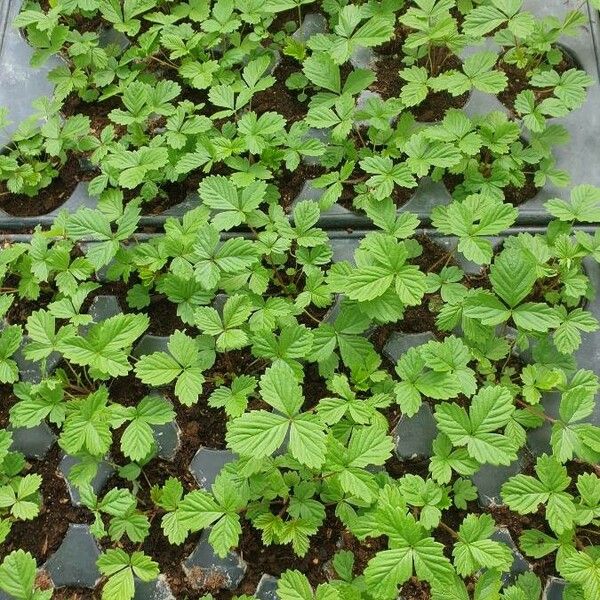
- 🍃 Triple Leaves: It features "trifoliate" leaves—meaning they grow in clusters of three—with deeply serrated edges and a slightly hairy texture.
🏡 In Your Garden
- 🌱 The Great Spreader: This plant moves quickly across the ground using "runners" (stolons) that take root wherever they touch the soil. It makes an excellent, low-maintenance groundcover for areas where grass won't grow.
- 💧 Moisture Lover: While it is incredibly hardy and can survive a drought, it truly thrives in damp, shaded corners of the garden. Because it is so vigorous, it can sometimes become "weedy" if not kept in check by garden borders.
⚠️ Safety & Toxicity
- ✅ Non-Toxic Status: The Mock Strawberry is generally considered non-toxic to humans, dogs, and cats.
- 👅 A Culinary Letdown: While safe to eat, the "strawberry" is a bit of a trick. It is dry, pithy, and almost entirely flavorless. Some people report a mild allergic skin reaction if they handle the crushed foliage extensively, but this is rare.
✨ Fun Fact
In various folklore traditions, it was believed that because the berries were tasteless to humans, they were intended for snakes to eat—hence the name "Snake Strawberry." In reality, birds and small mammals love them, helping the plant spread its seeds far and wide!

Detailed Care Instructions








