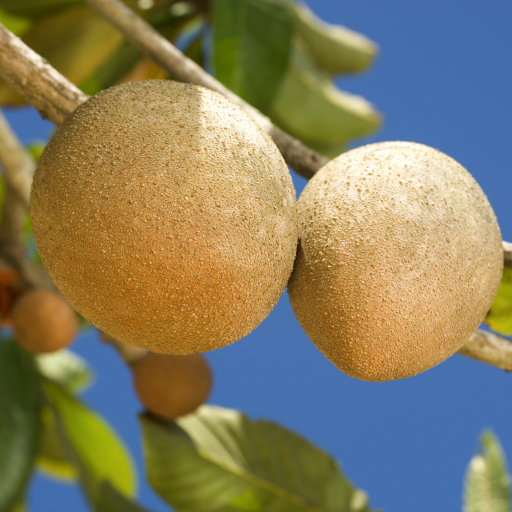
Plant Overview
Often called the "Mamey Sapote" or simply "Mamey," this tropical giant is a beloved treasure from Central America and Mexico. It is famous for producing a fruit that tastes like a creamy, decadent blend of sweet potato, pumpkin, and almond. Because of its large, spreading canopy and delicious harvest, it is a prized specimen in tropical landscapes and permaculture gardens.
🔍 How to Identify
- 🍃 The Foliage: The leaves are large, paddle-shaped (obovate), and can grow up to 12 inches long. They tend to cluster at the very tips of the branches, giving the tree a lush, tufted appearance.
- 🥥 The Fruit: It produces heavy, football-shaped fruits with a rough, sandpaper-like brown skin. If you scratch the skin and see pink underneath, it’s ready to be picked!
- 🪨 The Seed: Inside the vibrant salmon-colored pulp lies a single, large, shiny black seed that looks like a polished gemstone.
🏡 In Your Garden
- ⏳ Exercise Patience: This isn't a tree for the impatient gardener. A single fruit can take anywhere from 13 to 24 months to fully mature on the branch, meaning you might see flowers and ripe fruit on the tree at the same time.
- ☀️ Tropical Requirements: The Mamey Sapote is strictly a warm-weather inhabitant. It has zero tolerance for frost; even a light freeze can cause significant die-back or kill a young tree. It prefers deep, well-draining soil to accommodate its expansive root system.
- 💧 Watering Nuance: While it loves humidity, it hates "wet feet." Ensure your planting site doesn't hold standing water, as the tree is prone to root rot in soggy conditions.
⚠️ Safety & Toxicity
- ✅ Status: Generally safe and highly nutritious.
- 🐾 Pet & Human Safety: The ripe fruit pulp is perfectly safe and delicious for humans. However, the large seed and the milky sap of the tree contain small amounts of cyanogenic glycosides. While the seeds are used medicinally or for flavoring in some cultures after heavy processing, they should never be eaten raw by humans or pets.
✨ Fun Fact
In its native regions, the Mamey Sapote seed isn't thrown away—it is known as pixtle. It is often ground into a powder to flavor traditional beverages like tejate or used in artisanal soaps and cosmetics for its high oil content!

Detailed Care Instructions
To grow Pouteria sapota (also known as sapodilla or chikoo), you can follow these steps:
- Climate and location: Pouteria sapota grows best in tropical or subtropical regions where temperatures don't drop below 50°F (10°C). It requires a lot of sunlight, so choose a well-lit spot in your garden or, if you live in a colder climate, consider growing it in a greenhouse or sunroom.
- Soil preparation: Sapodilla prefers well-draining soil, so ensure that the soil is loose and sandy. If your soil is heavy or clayey, consider adding organic matter such as compost or aged manure to improve drainage.
- Planting: Pouteria sapota can be grown from seeds or grafted plants. If you choose to start from seeds, soak them in water overnight before planting. Then, plant the seeds about 1-2 inches deep into the prepared soil, keeping a distance of at least 15-20 feet between each sapodilla tree. If you're using a grafted plant, dig a hole that is twice as wide and deep as the container it came in, place the plant in the hole, and backfill with soil. Water thoroughly after planting.
- Watering: Keep the soil evenly moist but not waterlogged. Pouteria sapota requires regular watering especially during dry periods. However, make sure the soil is not overly wet as it can cause root rot.
- Fertilizing: Apply a balanced, slow-release fertilizer every 2-3 months during the growing season. You can also use organic fertilizers like compost or aged manure.
- Pruning: Regular pruning is not essential for sapodilla trees. However, you can remove any dead or damaged branches to promote healthy growth.
- Mulching: Apply a layer of organic mulch around the base of the tree to help retain moisture and suppress weed growth. Make sure to keep the mulch a few inches away from the trunk to avoid rotting.
- Pests and diseases: Monitor the tree regularly for any signs of pests like scale insects, mites, or mealybugs. Apply appropriate organic or chemical insecticides if necessary. Sapodilla trees can also be susceptible to diseases like root rot and fungal infections. Proper watering and providing good drainage will help prevent these issues.
- Harvesting: Pouteria sapota takes about 5-8 years to bear fruit. The fruits are typically ready for harvest when they have a slightly soft texture and a sweet aroma. You can gently twist or cut the fruit from the tree. Allow the harvested fruits to ripen at room temperature for a few days before consuming.
Remember to consult local gardening resources or seek advice from experts in your region for specific guidance on growing Pouteria sapota in your particular climate.

Place in a bright room that is sun drenched almost all day. Or directly in a south-facing window.

Pouteria Sapota plants require regular watering to thrive. The best way to water them is by giving them a deep watering once a week. When watering, make sure to water the soil around the base of the plant, being careful not to get water on the leaves. This will ensure that the water goes deep into the roots where it is most needed.
It is important to monitor the soil moisture levels and adjust watering accordingly. If the soil is consistently wet or waterlogged, the plant may develop root rot. On the other hand, if the soil is too dry for too long, the plant may become stressed and may not produce as much fruit.
During the growing season, it may be necessary to water Pouteria Sapota plants more frequently, especially during hot and dry weather. It is also important to water them consistently, so be sure to water them on the same day each week.
Overall, Pouteria Sapota plants prefer moist but well-draining soil. By providing consistent, deep watering, you can help them thrive and produce plenty of delicious fruit.
The best time to fertilize the Pouteria Sapota plant is during the growing season. Apply an all-purpose fertilizer with a balanced ratio of nitrogen, phosphorus, and potassium. Use a slow-release fertilizer or apply a liquid fertilizer every two weeks. Be sure to follow the instructions on the label and do not over-fertilize, as this can damage the roots and lead to stunted growth. Additionally, it is important to water the plant thoroughly after fertilization to help the nutrients absorb into the soil.
When planting a Pouteria Sapota plant, it is important to use a well-draining soil with high organic content. The soil should be slightly acidic, with a pH level between 5.5 and 6.5. It is also recommended to mix in some sand or perlite to improve aeration and drainage. Avoid using soil that is too heavy or compact, as this can cause root rot and other issues. Additionally, it is important to provide consistent moisture to the plant, without allowing the soil to become waterlogged. Consider using a mulch around the base of the plant to help retain moisture and regulate soil temperature.
To propagate this plant, you will need to gather fresh seeds from ripe fruits. Once you have obtained the seeds, gently remove any flesh or pulp attached to them and allow them to dry for a day or two.
Prepare a well-draining potting mix and fill small pots or seed trays with the mixture. Sow the seeds onto the soil surface and cover them with a thin layer of soil. Water the soil gently to ensure it is moist but not waterlogged.
Place the pots or trays in a warm and humid place, such as inside a propagator or covered with a clear plastic bag. The seeds should germinate within 2-3 weeks.
Once the seedlings have grown to a suitable size, typically 3-4 inches tall, they can be transplanted into larger pots or directly into the garden. The soil should be kept moist, but not waterlogged, until the plants are established.
This plant can also be propagated by taking stem cuttings. Choose softwood cuttings from healthy plants and trim off any leaves from the bottom two-thirds of the cutting. Dip the cut end into a rooting hormone powder and plant it in a well-draining potting mixture. Keep the soil moist and put it in a warm, humid place. The cuttings usually root within 2-3 weeks and can be transplanted once established.
Common pests of the mamey sapote include Scale insect, mealybugs, spider mites, aphids. Make a habit of checking your mamey sapote frequently for pests so that any infestations can be caught and managed early.








