Plant Overview
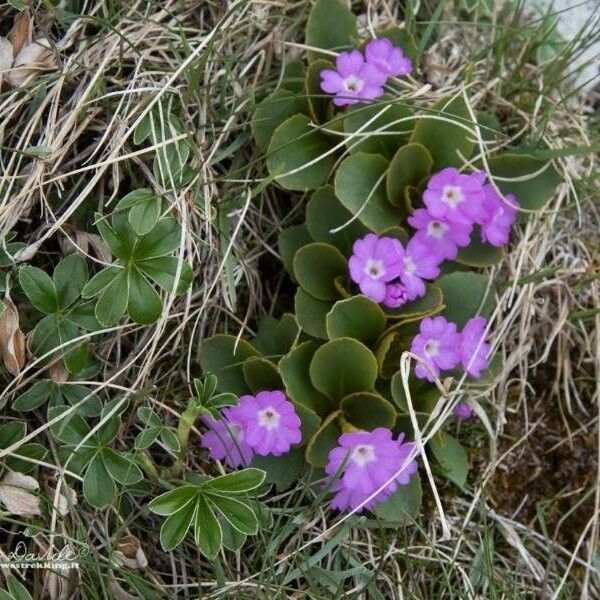
Known as the "Queen of the Apennines," Primula apennina is a rare and precious alpine gem found exclusively in a small stretch of the Northern Apennine mountains in Italy. This resilient little survivor is a "glacial relict," meaning it has occupied the same high-altitude rocky crevices since the last Ice Age. Its vibrant pink blooms emerging from harsh stone make it a favorite for rock garden enthusiasts who enjoy a challenge.
🔍 How to Identify
- 🌸 The Bloom: Clusters of 2 to 7 flowers per stalk, ranging from a soft lilac to a deep rose-pink, each featuring a distinct white "eye" at the center.
- 🍃 Fuzzy Foliage: The leaves are arranged in tight rosettes and are notably covered in tiny, sticky glandular hairs that give them a slightly grayish, velvety texture.
- 📐 Growth Habit: It is a low-growing, cushion-forming perennial that rarely exceeds a few inches in height, hugging the ground to stay protected from mountain winds.
🏡 In Your Garden
- ⛰️ The Rocky Life: Unlike many common garden primroses, this species is a "calcifuge," meaning it strictly avoids limestone. It requires acidic soil or placement near siliceous (silica-based) rocks to thrive.
- 💧 Cool Feet: This plant loves a paradox; it enjoys bright light but absolutely demands "cool feet." In a garden setting, it is best planted in a north-facing crevice where its roots can stay damp and chilled behind a stone while its leaves soak up the sun.
⚠️ Safety & Toxicity
- 👐 Skin Sensitivity: Like many members of the Primula family, the tiny hairs on the leaves contain "primin," an allergen that can cause mild skin irritation or a tingly rash in sensitive individuals.
- 🐾 Pet Safety: While not considered deadly, it can cause stomach upset if ingested by cats or dogs. It’s best kept in elevated rockeries out of reach of curious paws.
✨ Fun Fact
- ❄️ Ancient History: Because it lives in such a specific, isolated high-altitude range, Primula apennina is essentially a living fossil. It has survived in its current mountain strongholds for thousands of years, long after the great glaciers that once covered Europe retreated.

Detailed Care Instructions








