Plant Overview
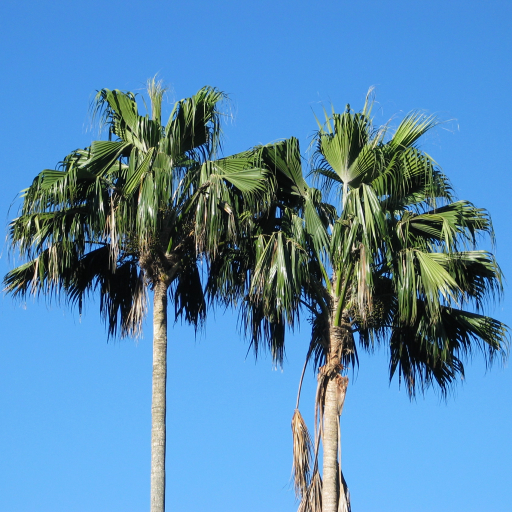
Known as the Nihoa Fan Palm or Loulu in Hawaiian, this rare beauty is a true island survivor. Originating from the tiny, uninhabited basalt island of Nihoa, it is one of the world's most endangered palms, once nearly wiped out by invasive grasshoppers. In a garden setting, it acts as a living piece of natural history, offering a structural, architectural elegance that evokes the wild spirit of the Pacific.
🔍 How to Identify
- 🌿 The Fronds: Features stiff, fan-shaped leaves (palmate) that are divided about halfway down. They often have a subtle, waxy sheen that helps the plant reflect intense sunlight.
- 📏 The Trunk: Unlike some of its massive cousins, this palm is relatively petite and slender. The trunk is smooth and grey, marked by faint rings where old leaves once lived.
- 🍒 The Fruit: It produces clusters of small, round fruits that turn from a pale green to a deep, dark black when fully ripe, hanging gracefully just beneath the leaf canopy.
🏡 In Your Garden
- 🌊 Coastal Warrior: Because it evolved on wind-swept cliffs, this palm is exceptionally resistant to salt spray and heavy winds. It’s a perfect choice for seaside landscapes where other plants might wither.
- 🏜️ Drainage is Vital: This species is highly susceptible to root rot. It thrives in rocky or sandy soil blends; if the roots sit in stagnant water, the plant will decline rapidly. Think "high and dry" rather than "low and lush."
⚠️ Safety & Toxicity
- ✅ Safe for All: The Pritchardia remota is considered non-toxic to humans, cats, and dogs. It is a "friendly" palm to have in family environments.
- 🧤 Physical Caution: While not chemically toxic, the edges of the leaf stems (petioles) and the stiff fronds can be quite sharp. Wear gardening gloves when pruning to avoid paper-cut-style nicks.
✨ Fun Fact
This palm is so rare that for a long time, its entire global population lived on a single island less than 1 square mile in size! Today, botanical gardens around the world grow it as a "backup" to ensure the species never goes extinct.

Detailed Care Instructions
To grow a Pritchardia Remota plant, follow these steps:
- Obtain a healthy, mature Pritchardia Remota seed. You can purchase seeds online or collect them from existing plants, if available.
- Prepare a well-drained potting mix. Pritchardia Remota prefers a mix rich in organic matter. You can use a mix of peat moss, perlite, and sand, or purchase a suitable potting mix from a garden center.
- Plant the seed in a small pot or seed tray filled with the potting mix. Bury the seed in the soil, leaving about a quarter of it exposed.
- Place the pot in a warm and well-lit area, but avoid direct sunlight, as it can scorch the delicate seedlings. Pritchardia Remota thrives in temperatures between 70-85°F (21-29°C).
- Keep the soil consistently moist, but not waterlogged. Check the moisture level regularly and water as needed, ensuring the soil does not dry out completely.
- It may take 1-2 months for the seed to germinate. Be patient and maintain optimal growing conditions during this time.
- Once the seedlings have emerged and grown a few inches tall, transplant them into larger pots. Choose pots with good drainage holes and use the same potting mix as before.
- Continue to provide bright, indirect light and maintain a consistent watering schedule. You may need to water more frequently as the plant grows, but always monitor the moisture levels to prevent overwatering.
- Pritchardia Remota enjoys humidity, so misting the leaves with water occasionally can be beneficial.
- As the plant grows, you may need to repot it into larger containers to accommodate its root system. Repeat this process as necessary.
- Fertilize the plant every 2-4 weeks during the growing season, using a balanced liquid fertilizer diluted to half strength. Follow the instructions on the fertilizer packaging for specific dosages.
- Monitor the plant for any signs of pests or diseases, such as mealybugs or root rot. Treat as necessary using appropriate insecticides or fungicides.
- With proper care, your Pritchardia Remota will continue to grow and develop into a beautiful palm tree. Be patient, as it may take several years for the plant to mature and reach its full size.
Remember to research specific care requirements for Pritchardia Remota to ensure you meet all its needs for optimal growth.
To fertilize this plant, use a balanced fertilizer with equal parts nitrogen, phosphorus, and potassium. Apply the fertilizer in the spring and summer months, but avoid fertilizing in the fall and winter. Dilute the fertilizer to half strength and apply it to the soil around the base of the plant, ensuring that it is evenly distributed. Water the plant immediately after fertilizing to aid in absorption. Avoid over-fertilizing as it can lead to excessive growth and damage to the plant.
Pritchardia Remota requires well-draining soil with good aeration and moisture retention. The soil should be slightly acidic with a pH of around 6.0 to 7.0. It is recommended to use a mixture of peat moss, perlite, and sand to create a loamy texture. A mix of organic matter can also be added, such as compost or humus, to improve soil fertility. It is important to avoid using heavy clay soil or soil that is overly compacted, as this can prevent proper drainage and lead to root rot. Additionally, the soil should be kept moist but not waterlogged, as excess water can also lead to root rot.
There are several methods to propagate the Pritchardia Remota plant. One common method is seed propagation. To do this, you need to collect ripe fruits from the plant and extract the seeds. The seeds should be soaked in water for several hours to help soften the outer shell. Then, plant the seeds in a potting mix that is well-draining and keep it moist. You should keep the pot in a warm, bright location and cover it with a plastic wrap to help increase humidity and retain moisture. Within a few weeks, the seedlings should start to emerge, and you can gradually remove the plastic.
Another method is propagation through division. This requires you to have a mature plant that has multiple crowns. Carefully remove the plant from its pot and separate the individual crowns using a sharp, sterile knife. Plant each division in potting mix and keep it in a warm, bright location. You should keep the soil moist but not waterlogged.
Finally, the Pritchardia Remota plant can also be propagated through stem cuttings. To do this, select a healthy stem and make a clean cut below a node. Remove the lower leaves, leaving only a few at the top. Dip the cutting in rooting hormone and plant it in a well-draining potting mix. Keep the soil moist and in a warm, bright location. Within a few weeks, the cutting should develop roots and new growth.








