Plant Overview
Known as the Chilean Mesquite or "Algarrobo," this architectural marvel is a true survivor of the arid landscapes of South America. It is beloved by desert gardeners for its delicate, lacy foliage and the dramatic, twisted silhouettes it forms as it ages. In its native lands, it’s more than just a tree; it’s a historical "Tree of Life" that has provided food, shade, and timber for centuries.
🔍 How to Identify
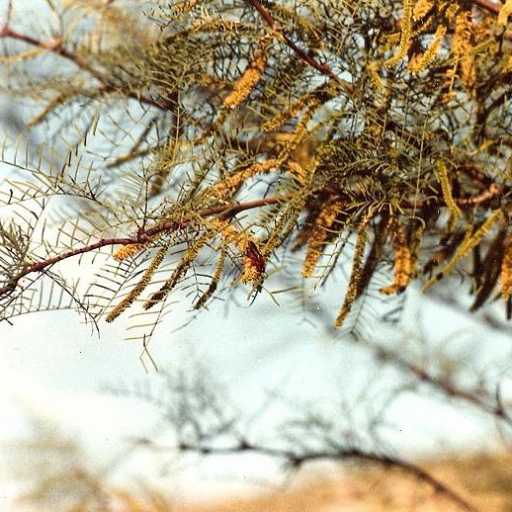
- 🌿 Lacy Foliage: Features bright green, fern-like bipinnate leaves that create a soft, "dappled" shade rather than a heavy, dark canopy.
- 🪵 Rugged Bark: The trunk is covered in dark grey to brown bark that becomes deeply fissured and textured as the tree matures.
- 🟡 Catkin Flowers: In spring, it produces pale yellow, cylindrical flower clusters (catkins) that look like fuzzy caterpillars dangling from the branches.
🏡 In Your Garden
- 🏜️ The Taproot Strategy: This tree is famous for its massive taproot that can dive dozens of feet into the earth to find water. Because of this, it is nearly impossible to transplant once it reaches a certain size—choose its "forever home" carefully!
- 🛠️ Soil Improver: As a member of the legume family, it works a bit of magic underground by "fixing" nitrogen. This naturally enriches the soil around it, making it a great companion for nutrient-hungry neighbors.
- 🌬️ Wind Resistance: Its flexible, zigzagging branches are naturally adapted to withstand the strong winds of the open plains, though young trees may need staking to ensure a straight trunk.
⚠️ Safety & Toxicity
- 🌵 Thorn Alert: While many nursery-bred varieties are "thornless," wild or seed-grown specimens often have sharp, stiff thorns. Use caution when pruning and keep away from high-traffic paths.
- 🐾 Pet Safety: The tree is generally non-toxic to dogs, cats, and horses. In fact, many animals find the sweet-smelling fallen seed pods to be a tasty (though messy) snack.
- 🧹 Litter Awareness: Be prepared for "seasonal cleanup." The tree sheds pods and small leaves, which can clutter patios or pool areas.
✨ Fun Fact
Long before it became a popular landscaping tree, the seed pods of the Chilean Mesquite were a vital food source for indigenous Andean peoples. They ground the pods into a sweet, protein-rich flour used to make bread or fermented into a traditional beverage called chicha.

Detailed Care Instructions
To grow Prosopis chilensis plants, also known as Chilean mesquite, you can follow these steps:
- Obtain seeds: Look for mature Prosopis chilensis seed pods in the wild or purchase them from a reputable garden supplier.
- Seed preparation: Soak the seeds in warm water overnight to soften the hard outer seed coat. This will aid in germination.
- Potting mix: Fill seed trays or pots with a well-draining potting mixture. You can create a mixture using equal parts of sand, perlite, and peat moss.
- Sowing seeds: Plant the soaked seeds about 1 to 2 inches deep in the potting mixture. Space the seeds at least 2 inches apart to allow room for growth.
- Watering: Water the seeds thoroughly after sowing and keep the soil evenly moist, not waterlogged. Avoid overwatering, as it can lead to root rot.
- Temperature and light: Place the planted seeds in a warm location with bright indirect sunlight. Prosopis chilensis prefers temperatures between 65-85°F (18-29°C).
- Germination: The seeds will typically germinate within a few weeks, but it can take up to several months. Be patient and continue to provide proper care during this time.
- Transplanting: Once the seedlings have grown a few inches tall with several sets of true leaves, they can be transplanted into larger pots or containers. Ensure the new containers have good drainage holes.
- Outdoor planting: When the plants are about a foot tall and the risk of frost has passed, you can transplant them into a sunny location in your garden. Choose an area with well-draining soil.
- Water and maintenance: Water the plants regularly, aiming to keep the soil slightly moist but not waterlogged. Once established, Prosopis chilensis is drought-tolerant and requires minimal care.
- Pruning: If desired, you can prune the plant to maintain its shape or remove any damaged or dead branches. Pruning is best done during the dormant season.
Remember, each plant is unique, and factors like climate, soil conditions, and care practices may affect the growth of your Prosopis chilensis. Patience, proper care, and suitable growing conditions are key to successfully growing this plant.
In order to properly water this plant, it is important to understand its watering needs and preferences. This plant requires a moderate amount of water, but does not do well with overly wet or saturated soil. When watering, it is best to water deeply and allow the soil to dry out somewhat between waterings. It is important to avoid getting water on the leaves or trunk of the plant, as this can promote fungal growth and disease. Additionally, it is important to check the soil moisture regularly, and adjust the watering schedule as necessary based on the plant's needs and environmental conditions.
To fertilize this plant, begin by selecting a balanced fertilizer that contains equal amounts of nitrogen, phosphorus, and potassium. Apply the fertilizer in late winter or early spring, just before the growing season begins. Be sure to follow the manufacturer's instructions for application rates and methods, and avoid applying too much fertilizer, as this can cause damage to the plant's roots. Additionally, be sure to water the plant thoroughly after fertilizing to help distribute the nutrients evenly throughout the soil.
For optimal growth, Prosopis Chilensis plant requires well-draining soil with a pH of 6.5 to 7.5. It prefers sandy loam soil that is rich in nutrients and organic matter. The soil should be free from compaction, and it should be able to retain moisture without becoming waterlogged. The plant is tolerant of drought and is commonly found in arid regions; therefore, the soil should not hold water for a long time. The soil should be fertile, and the plant responds well to regular fertilization. Adding compost or well-rotted manure to the soil before planting helps to increase nutrient availability, which improves growth and vigor. Lastly, the soil used should be free from any pathogens or harmful chemicals that might affect plant growth.
To propagate this plant, you will need to take cuttings from a mature plant during the late spring or summer. Cuttings should be taken from the new growth at the tips of branches.
- Select a healthy, mature plant as the source of your cuttings.
- Use clean, sharp pruning shears or a knife to make a straight cut just below a node where a leaf attaches to the stem.
- Dip the bottom of the cutting into rooting hormone powder to improve its chances of rooting.
- Use a well-draining potting mix, combined with perlite, vermiculite, or sand.
- Insert your cutting into the soil, making sure that at least one node is below the soil surface. Firm the soil around the cutting.
- Water the cutting thoroughly and keep the soil moist but not waterlogged.
- Place the pot in an area with bright, indirect light and ideally a temperature of around 68-77°F (20-25°C).
- In 3-4 weeks, your cutting should have some roots and be ready to transplant into a larger pot or the garden.
- When transplanting, make sure that the plant is in a well-drained area and gets plenty of sun.
- Water the plant regularly during its first year to help it establish itself.








