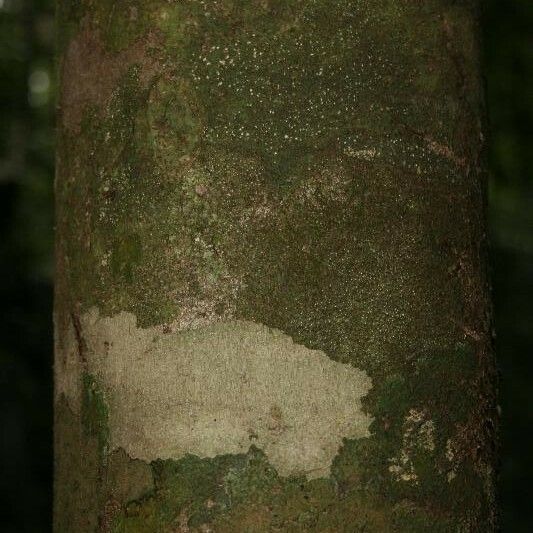
Plant Overview
Known as the "Incense Tree" of the Amazon, Protium decandrum is a fragrant powerhouse of the South American rainforest. It belongs to the same botanical family as Frankincense and Myrrh, and it is most famous for the "tears" of aromatic resin that seep from its bark. In its native habitat, this resin, known locally as breu, is a sacred substance used for everything from spiritual ceremonies to sealing the hulls of wooden boats.
🔍 How to Identify
- 🍃 Lush Compound Leaves: The plant features large, glossy compound leaves, typically divided into 3 to 7 leaflets. These leaflets are elliptical and end in a sharp, elegant point.
- 🪵 Bleeding Bark: One of the most distinct markers is the bark; when nicked, it "bleeds" a sticky, white-to-clear resin that quickly hardens.
- 👃 Citrus-Pine Scent: If you crush a leaf or smell the resin, you’ll notice a complex, refreshing aroma that blends notes of lemon, pine, and traditional incense.
🏡 In Your Garden
- 💧 Tropical Humidity: As a child of the rainforest, this plant thrives in high humidity and warm temperatures. It is not frost-tolerant and will struggle in dry, indoor air without regular misting or a humidifier.
- 🪴 Root Stability: Protium decandrum develops a deep taproot to anchor itself in the forest floor. Because of this, it resents being moved or repotted frequently. If you are growing it in a container, choose a deep pot to allow the roots to stretch downward.
- 🌑 Filtered Light: In the wild, young trees grow under the forest canopy. They prefer bright, indirect light rather than the scorching midday sun, which can bleach their deep green foliage.
⚠️ Safety & Toxicity
- ✅ Generally Safe: This plant is not known to be toxic to humans, dogs, or cats if touched or accidentally brushed against.
- 🧴 Resin Sensitivity: While the resin is used medicinally in many cultures, the raw sap can cause mild skin irritation or "contact dermatitis" in people with sensitive skin. It is best to wear gloves if you are pruning or handling a wounded trunk.
✨ Fun Fact
The resin of the Protium tree is so flammable and long-burning that indigenous groups historically used it to create "jungle torches." They would wrap chunks of the dried resin in palm leaves to provide light for night hunting and travel through the dense Amazonian undergrowth.

Detailed Care Instructions








