Plant Overview
Known as one of the aromatic "Breu" trees of the Amazon, Protium trifoliolatum is a fascinating member of the Frankincense and Myrrh family (Burseraceae). This tropical gem is cherished in South American folklore and traditional medicine for its fragrant, medicinal resin that seeps from the bark like liquid gold. Often found in the deep humidity of the rainforest, it acts as a natural incense bearer, filling the air with a clean, earthy scent whenever its bark is nicked.
🔍 How to Identify
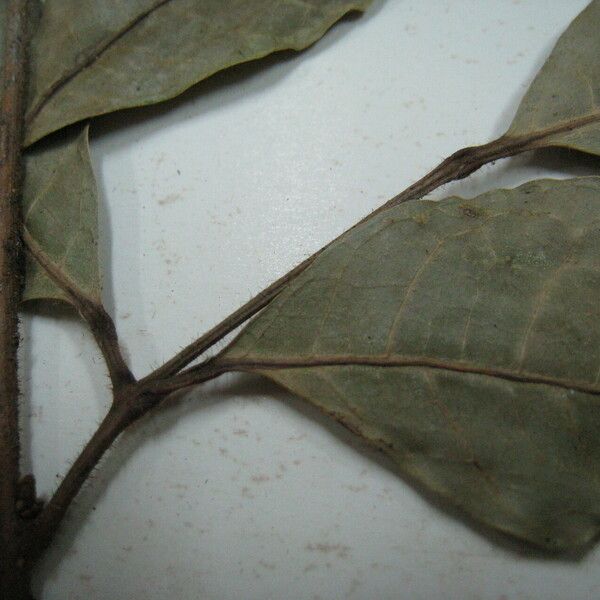
- 🍃 The Trifoliate Leaf: As the name suggests, its leaves are arranged in distinct groups of three. These leaflets are typically oval-shaped with a glossy, deep green finish and smooth edges.
- 💧 Aromatic Resin: If the bark is slightly damaged, it exudes a sticky, white or translucent resin (known as "Breu") that has a very sharp, pleasant balsamic or citrus-like fragrance.
- 🌳 Growth Habit: In its natural habitat, it grows as a medium-sized tree or woody shrub. The bark is generally smooth and grayish, providing a stark contrast to the lush green canopy.
🏡 In Your Garden
- ☁️ Humidity is Key: This species is a true child of the tropics. If you are growing it outside of the Amazon, it requires high humidity and protection from dry winds, which can cause the delicate leaf tips to brown.
- 🪴 Well-Draining Soil: While it loves water, it hates "wet feet." In a garden or container setting, use a rich, loamy mix that drains quickly to prevent root rot, as its root system is adapted to the porous floors of the rainforest.
⚠️ Safety & Toxicity
- 🟢 Generally Safe: Protium trifoliolatum is not known to be systemicially toxic to humans or common household pets.
- 🧴 Resin Sensitivity: The primary safety concern is the resin. While used medicinally, the raw sap can be incredibly sticky and may cause mild skin irritation or allergic contact dermatitis in sensitive individuals. It is best to wash your hands after pruning.
✨ Fun Fact
The resin of the Protium tree is so flammable that indigenous hunters in the Amazon traditionally used hardened lumps of it as natural torches or "forest candles" to light their way through the jungle at night!

Detailed Care Instructions








