Plant Overview
The Carolina Cherry Laurel is a true southern belle of the evergreen world. Known for its lustrous, mirror-like foliage and intoxicatingly sweet spring blooms, it often goes by the nickname "Wild Orange" despite having no relation to citrus. Native to the thickets and riverbanks of the Southeastern United States, this resilient tree is a favorite for those looking to create a "living wall" that stays vibrant all year round.
🔍 How to Identify
- 🍃 The Leaves: Glossy, dark green, and lance-shaped. If you crush a leaf, it releases a distinct, sweet aroma reminiscent of maraschino cherries or bitter almonds.
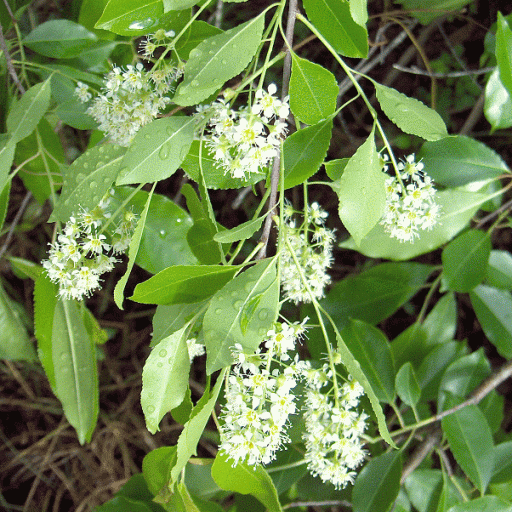
- 🌸 The Blooms: In early spring, the tree is adorned with delicate, brush-like spikes (racemes) of tiny creamy-white flowers that are a magnet for local pollinators.
- 🍒 The Fruit: Following the flowers, small, shiny green berries appear, eventually ripening into deep, ink-black drupes that persist through the winter.
🏡 In Your Garden
- 🧱 The Perfect Screen: Because it responds beautifully to heavy pruning, this plant is most commonly used as a dense privacy hedge. It can block out noisy neighbors or unsightly views with ease.
- 🌱 A "Volunteering" Spirit: Be aware that this tree is a prolific self-seeder. Birds love the berries and will "plant" new cherry laurels all over your garden, meaning you may spend some time pulling up adventurous saplings in the spring.
- ☀️ Adaptable Nature: While it thrives in full sun, it is surprisingly tolerant of shade, making it a versatile choice for those tricky corners of the yard where other evergreens might struggle.
⚠️ Safety & Toxicity
- 🚫 Toxic Status: Highly Toxic.
- 🐾 The Danger: All parts of the plant—especially the leaves and seeds—contain hydrocyanic acid (cyanide). It is particularly dangerous to wilted-leaf ingestion by livestock, dogs, and cats.
- 👶 Keep Watch: The attractive black berries can be tempting to small children; ensure they are taught never to sample the "wild cherries," as they can cause respiratory distress if ingested.
✨ Fun Fact
The "maraschino cherry" scent of the crushed leaves is actually a chemical defense mechanism. That pleasant almond-like smell is the plant's way of signaling the presence of cyanide to ward off hungry herbivores!

Detailed Care Instructions
| Humidity | Normal |
| Lighting | Part Sun |
| Toxicity | Poisonous |
| Difficulty | Medium |
| Hibernation | Cold Period |
| Temperature | Min 15°C |
| Hardiness Zones | 7 - 10 |
To grow a Prunus caroliniana plant, also known as the Carolina cherry laurel, you can follow these steps:
- Choose a suitable planting location: Carolina cherry laurels prefer full sun to partial shade, so select an area that receives at least 6 hours of sunlight a day. The soil should be well-draining and enriched with organic matter.
- Prepare the soil: Dig a hole that is twice as wide and deep as the plant's root ball. Loosen the soil in the hole and mix in some compost or aged manure to improve fertility and drainage.
- Plant the Carolina cherry laurel: Remove the plant from its container and gently loosen the roots. Place the plant in the hole, making sure it's at the same level as it was in the pot or slightly higher. Backfill the hole with soil, firming it gently around the roots.
- Water thoroughly: After planting, water the Carolina cherry laurel thoroughly to settle the soil around the roots and to provide adequate moisture. Water regularly during the first year to help establish the plant.
- Mulch: Apply a layer of organic mulch, such as wood chips or bark, around the base of the plant. Mulch helps retain moisture, inhibit weed growth, and moderate soil temperature.
- Pruning: Prunus caroliniana benefits from periodic pruning to maintain its shape and remove any dead, damaged, or diseased branches. Prune during late winter or early spring before new growth emerges.
- Watering and fertilizing: Provide regular watering during dry spells, especially in the plant's first year. Once established, Carolina cherry laurels are generally drought-tolerant. Fertilize with a balanced, slow-release fertilizer in early spring.
- Pest and disease control: Prunus caroliniana is generally resistant to pests and diseases. However, keep an eye out for potential problems like scale insects, aphids, or powdery mildew. Use appropriate insecticidal soap or horticultural oil if necessary.
Remember to check the specific care requirements for your region, as Prunus caroliniana may have specific needs depending on the climate and soil conditions in your area.

Place in a bright room that is sun drenched almost all day. Or directly in a south-facing window.

To properly water this plant, you should first make sure that the soil is well-draining and not waterlogged. Typically, you should water this plant deeply, once a week or when the soil feels dry to the touch. Avoid getting the leaves wet, since this can promote fungal diseases. During the winter months, you may need to water this plant less frequently since it will not be actively growing. Always make sure to check the soil moisture level before watering to avoid overwatering or underwatering.
Fertilize this plant with a balanced, slow-release fertilizer in early spring just before new growth begins. Apply according to the manufacturer's instructions, and water thoroughly after fertilizing. Avoid fertilizing after July as it can promote late season growth that is susceptible to winter damage.
The ideal soil for the Prunus Carolina plant should be well-draining and rich in nutrients. The soil should have a pH level between 5.5 and 7.5 which is slightly acidic to neutral. The plant prefers loamy or sandy soil with good drainage, as it cannot withstand water-logged soil. The soil should also retain enough moisture to support the plant's growth and development. A balanced soil mix with a ratio of organic matter, sand, and loam is recommended. The use of a good quality potting mix with added perlite for improved drainage is advisable for potted plants. Additionally, the soil should be supplemented with organic material such as compost or aged manure to provide a continuous supply of nutrients to the plant.
To propagate this plant, you will need to collect cuttings from a healthy, mature plant during its active growing season. Make sure the cuttings are at least 4 inches long and have several nodes on them. Remove any leaves on the bottom half of the stem.
Next, dip the cut end of the stem into rooting hormone powder and plant it in a pot filled with a well-draining potting mix. Water the soil thoroughly and cover the pot with a plastic bag to create a mini greenhouse.
Place the pot in a warm, bright location but out of direct sunlight. Check the soil regularly and water when it feels dry to the touch. After a few weeks, roots should start to form. Once the roots are well-established, the plant can be transferred to a larger pot or planted outdoors in the ground.
Common pests of the carolina cherry laurel include Scale insect, aphids, larvae. Make a habit of checking your carolina cherry laurel frequently for pests so that any infestations can be caught and managed early.








