Plant Overview
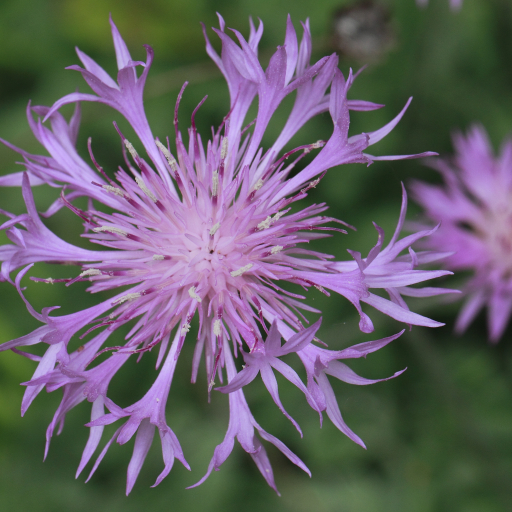
Known as the "Beautiful Cornflower," this hardy perennial from the rugged Caucasus Mountains is a hidden gem for rock gardeners. It forms a lush, low-lying carpet of metallic-silver foliage that remains attractive even when the plant isn't in bloom. In early summer, it produces delicate, fringed pink blossoms that look like dainty lace floating above a sea of silver.
🔍 How to Identify
- 🌿 The Foliage: Distinctive silvery-grey leaves that are deeply lobed and pinnate, giving the plant a feathery, soft appearance.
- 🌸 The Bloom: Soft pink to lavender-purple flowers with a fringed, "shaggy" texture typical of the cornflower family.
- 📏 Growth Habit: A low-growing, mat-forming perennial that spreads slowly via rhizomes to create a dense groundcover.
🏡 In Your Garden
- 🪨 The Perfect Spot: This plant is a "sun-worshiper" that excels in rock gardens or alpine troughs. It thrives in poor, gritty soil where other plants might struggle.
- 💧 Drainage is Key: Its biggest enemy is "wet feet." While it is highly drought-tolerant once established, stagnant winter water can cause the crown to rot, so ensure the soil is extremely well-draining.
- ✂️ Maintenance: It is a low-maintenance beauty. After the first flush of flowers fades, a light shearing can keep the silver mat looking tidy and may even encourage a small second bloom.
⚠️ Safety & Toxicity
- ✅ Status: Generally considered non-toxic to humans and common household pets.
- 🧤 Skin Sensitivity: Like many plants in the Asteraceae family, the fine hairs on the leaves may cause very mild skin irritation for those with sensitive skin. Wearing gloves while pruning is a good precaution.
✨ Fun Fact
The specific epithet bellus is Latin for "beautiful" or "pretty." Unlike its taller, more aggressive cornflower cousins, this species was specifically named for its refined, elegant appearance and ornamental charm.

Detailed Care Instructions
To water this plant, avoid overwatering and ensure that the soil is well-draining. Water the plant deeply whenever the top inch of soil feels dry to the touch. Use a watering can or a hose with a gentle spray to water the soil around the base of the plant. Avoid getting water on the leaves to prevent damage or disease. Make sure to water consistently, but adjust the frequency depending on the plant's growth and environmental conditions. Additionally, take note of any signs of wilting or yellowing leaves, which may indicate that the plant needs more water.
The ideal soil for this plant should be well-draining and provide adequate aeration to the roots. It should also have a slightly acidic to neutral pH range and be rich in organic matter. The soil should be able to hold on to moisture, but not be waterlogged as this can cause root rot. A mixture of peat moss, perlite, and sand can provide the perfect combination of these characteristics for healthy growth. It is important to avoid using heavy clay soils or those with excessive amounts of fertilizer, as this can negatively impact the plant's health.








