Plant Overview
Often called the Purple False Eranthemum, this tropical gem is a master of color and contrast. Native to the sun-drenched islands of Polynesia and Melanesia, it is prized by gardeners for its glossy, metallic-looking foliage that looks almost painted. Whether used as a bold hedge in tropical climates or a striking statement piece in a bright living room, it brings an instant "exotic" feel to its surroundings.
🔍 How to Identify
- 🍃 Dramatic Foliage: The leaves are large, elliptical, and glossy. Depending on the variety, they range from a deep, near-black burgundy to a vibrant green mapped with golden-yellow veins.
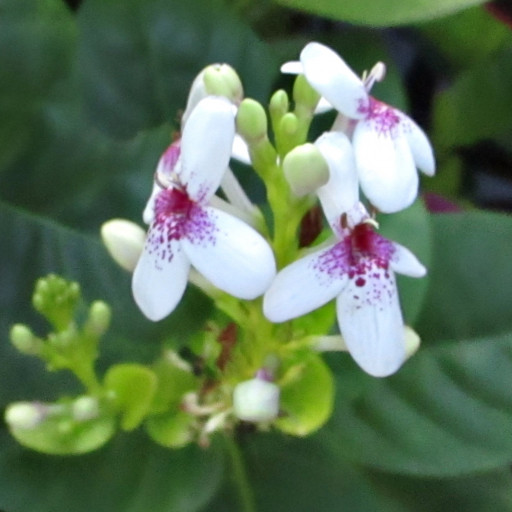
- 🌸 Star-Shaped Blooms: It produces small, waxy, tubular flowers. They are typically white or pale pink, featuring a splash of deep crimson or purple at the "throat" or center.
- 🪴 Upright Structure: It grows as an upright, woody shrub. In the wild, it can reach heights of 3 to 6 feet, maintaining a sturdy, multi-stemmed habit.
🏡 In Your Garden
- ☀️ The Light-Color Connection: This plant is a "light-shifter." To keep its deep purple or golden-veined hues intense, it needs plenty of bright, indirect light. If kept in a dark corner, the plant will "revert" to a plain green to better capture what little light is available.
- 💧 Tropical Thirst: Because of its large leaf surface, it transpires water quickly. It dislikes "wet feet" (soggy roots), but it will dramatically droop its leaves the moment the soil dries out too much, acting as a living moisture meter for your garden.
- ✂️ Bushy Maintenance: It has a natural tendency to become "leggy" or thin as it grows tall. Regular "pinching" (snapping off the growing tips) encourages the plant to branch out, resulting in a much fuller, more luxurious appearance.
⚠️ Safety & Toxicity
- 🐾 Pet Friendly: This plant is generally considered non-toxic to dogs, cats, and horses, making it a safe choice for households with curious furry friends.
- 🧴 Sap Sensitivity: While not poisonous, the milky sap found in the stems can cause mild skin irritation or "contact dermatitis" for individuals with sensitive skin. It is best to wash your hands after pruning or wear gloves.
✨ Fun Fact
The name Pseuderanthemum literally translates to "False Eranthemum." It was given this name because it looks so strikingly similar to the Eranthemum genus that early botanists had a difficult time telling them apart until they looked closely at the structure of their seeds!

Detailed Care Instructions
| Humidity | Normal |
| Lighting | Part Sun |
| Difficulty | Medium |
| Temperature | 18°C - 28°C |
| Hardiness Zones | 10A - 11 |
To grow Pseuderanthemum Carruthersii (also known as false Eranthemum or Charmer's Mask), follow these steps:
- Choose a location: Pseuderanthemum Carruthersii prefers bright, indirect sunlight. Find a spot with partial shade or filtered sunlight to place your plant.
- Soil requirements: The plant prefers well-draining soil. Use a mixture of potting soil and perlite or sand to improve drainage.
- Planting: Select a suitable container with drainage holes. Fill it with the prepared soil mixture. Gently remove the plant from its nursery pot and place it in the center of the container. Ensure the top of the root ball is level with the soil surface.
- Watering: Water the plant thoroughly after planting. Pseuderanthemum Carruthersii prefers evenly moist soil. Water it when the top inch of soil feels dry. Avoid overwatering as it can lead to root rot.
- Fertilization: Feed the plant every two weeks during the growing season (spring and summer) with a balanced liquid fertilizer. Follow the instructions on the fertilizer packaging for the appropriate dosage.
- Pruning: Regularly prune the plant to maintain its shape and encourage bushiness. Pinch back the stem tips to promote branching. You can also remove any yellow or dead leaves.
- Temperature and humidity: Pseuderanthemum Carruthersii prefers warm temperatures between 65-75°F (18-24°C). It also appreciates higher humidity levels. If the air is dry, you can use a humidifier or place a tray of water near the plant to increase humidity.
- Propagation: You can propagate Pseuderanthemum Carruthersii through stem cuttings. Take 4-6 inch (10-15 cm) cuttings from the tip of a healthy stem. Remove the lower leaves and dip the cut end in rooting hormone. Plant the cuttings in moist soil and keep them in a warm, humid environment until they root.
- Pest control: Monitor your plant for common houseplant pests like spider mites, aphids, and mealybugs. If you notice any infestations, treat them promptly with organic insecticidal soap or neem oil.
With proper care and attention to these guidelines, your Pseuderanthemum Carruthersii plant should thrive and grow well.

Place in a window with dappled sun or a spot in the middle of a room. Or directly in a window facing west or east.

To water this plant, you should first check the soil moisture level by sticking your finger two inches into the soil. If it feels dry, it is time to water. Use a watering can or pitcher to pour water onto the soil until it begins to drain out of the bottom of the pot. Make sure not to get water on the leaves as this can cause damage. Water the plant when the soil feels dry to the touch, but do not let it sit in standing water as this can lead to root rot. It is important to be consistent with watering, but also not to overwater, as this plant prefers slightly dry soil.
To fertilize this particular plant, dilute a balanced water-soluble fertilizer to half strength and apply it to the soil every two weeks during the growing season. Avoid over-fertilizing as it can cause leaf burn and damage to the plant. Additionally, make sure to water the plant thoroughly before and after fertilization to prevent root damage.
The ideal soil for Pseuderanthemum Carruthersii plant is well-drained and rich in nutrients. It should have a balanced pH level and be free from any contamination or pollutants. A loamy soil with a good mix of organic matter, sand, and clay works well for this plant. Adding compost, aged manure, or fertilizer before planting can help provide a boost of nutrients to the soil. It is important to avoid using soil mixes that contain too much peat moss or bark, as this can cause the soil to become too acidic and prevent proper drainage. Additionally, regular watering and proper drainage are important to ensure the health and growth of the plant.
To propagate this plant, take a cutting from a mature and healthy stem. Cut the stem just below a node, making sure to use a sharp, clean pair of scissors or pruning shears. Remove any leaves from the lower half of the stem, leaving only a few at the top. Dip the cut end of the stem in rooting hormone powder to encourage root growth.
Prepare a pot with fresh, well-draining soil and water it well. Use a pencil or other tool to create a hole in the soil and insert the cutting, gently pressing the soil around it to hold it upright. Place the pot in a warm, bright location but out of direct sun.
Keep the soil moist but not soaked and avoid letting it dry out completely. After a few weeks, roots should begin to develop and new leaves will emerge. Once the plant is established, it can be repotted or planted outdoors in a suitable location.
Common pests of the purple false eranthemum include Scale insect, mealybugs, spider mites. Make a habit of checking your purple false eranthemum frequently for pests so that any infestations can be caught and managed early.








