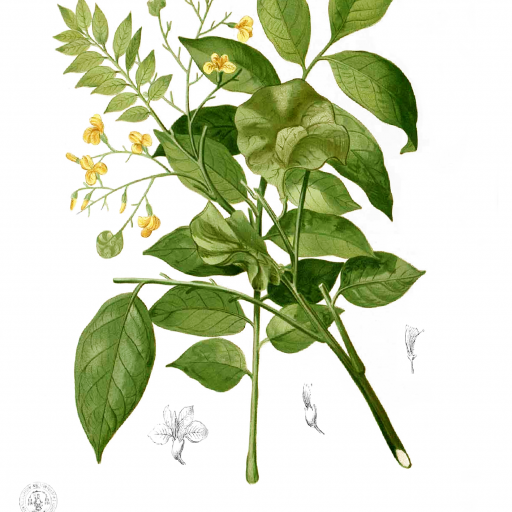
Plant Overview
Known as the "Narra" or "Amboyna Wood," this majestic tree is more than just a shade provider; it is a symbol of strength and endurance. As the national tree of the Philippines, it is cherished across Southeast Asia for its fragrant golden blooms and its incredibly valuable, rose-scented timber. It is often referred to as "Malay Padauk" and is famous for the "golden rain" effect created when its flowers fall simultaneously.
🔍 How to Identify
- 🌿 The Foliage: The leaves are a glossy, vibrant green and are "pinnate," meaning they grow in elegant, feather-like rows along a central stem.
- 🌼 The Golden Blooms: It produces dense clusters of bright yellow, pea-like flowers. These blooms are highly fragrant and usually appear in short, spectacular bursts.
- 🛸 The "Flying" Fruit: Its seed pods are unmistakable—they are flat, circular discs with a papery, wavy wing around the edge, designed to spin through the air like a tiny helicopter.
🏡 In Your Garden
- 🌳 Space Requirements: This is a fast-growing giant that can reach massive heights. Because of its wide-reaching canopy and surface-level roots, it needs significant space away from sidewalks or home foundations to prevent lifting the concrete.
- 💧 Drainage is Key: While it thrives in tropical heat and can handle a variety of soil types, it absolutely hates "wet feet." Ensuring the soil drains well is vital to preventing root rot in young saplings.
- 🌬️ Wind Warrior: The Narra is celebrated for its flexibility. Its wood is strong yet supple, making it one of the best large trees for surviving high winds and tropical storms.
⚠️ Safety & Toxicity
- ✅ General Status: The Pterocarpus indicus is generally considered non-toxic to humans, dogs, and cats.
- 🩺 Minor Sensitivities: While the living tree is safe, the sap or the sawdust from its timber can occasionally cause mild skin irritation or respiratory sneezing in sensitive individuals.
✨ Fun Fact
If you soak a few chips of Narra wood in water, the liquid will often turn a fluorescent blue or opalescent color when held up to the light. This unique optical property was used for centuries as a way to identify genuine Rosewood!

Detailed Care Instructions
To grow a Pterocarpus Indicus plant, commonly known as the Amboyna or Malay padauk, follow these steps:
- Obtaining seeds or seedlings: You can either obtain seeds from a reputable nursery or collect them from mature Amboyna trees. Seedlings are also available in some nurseries, which can be a quicker way to start growing your plant.
- Preparing the soil and container: Pterocarpus Indicus prefers well-draining soil. Fill a pot or container with a mixture of loam, sand, and organic matter, such as compost. Make sure the container has drainage holes at the bottom to prevent waterlogging.
- Planting the seeds or seedlings: If using seeds, soak them in warm water for 24 hours before planting. Sow the seeds about half an inch deep in the soil. If using seedlings, gently transplant them into the prepared container, ensuring not to damage the roots.
- Providing the right environment: Place the container in a location that receives full sun for at least 6-8 hours a day. The ideal temperature range for Pterocarpus Indicus is between 60-80°F (15-27°C).
- Watering and maintenance: Keep the soil consistently moist but not waterlogged. Provide regular watering, especially during dry periods. Mulching around the plant can help retain moisture in the soil. Avoid overwatering, as this may cause root rot.
- Fertilizing: Use a balanced fertilizer, such as a 10-10-10 or 14-14-14, to provide essential nutrients. Apply the fertilizer according to the package instructions, typically every 2-3 months during the growing season (spring and summer).
- Pruning: As the plant grows, you may need to prune it to maintain its shape and prevent overcrowding. Pruning also helps remove dead or diseased branches. Prune during late winter or early spring before new growth appears.
- Protection from pests and diseases: Keep an eye out for pests like aphids, mealybugs, or spider mites. Treat infestations with organic insecticides or insecticidal soaps. Ensure good air circulation around the plant to prevent diseases.
- Transplanting: Once the plant outgrows its container, transplant it to a larger pot or directly into the ground if the climate and soil conditions are suitable.
Remember, growing a Pterocarpus Indicus plant requires patience, as it may take several years to reach maturity and produce its vibrant red or orange flowers.

Place in a bright room that is sun drenched almost all day. Or directly in a south-facing window.

To water this particular plant, you should make sure that the soil is moist to the touch but not completely saturated. You can achieve this by watering the plant deeply but allowing the soil to drain properly afterward. It is important to avoid overwatering or letting the soil become too dry, as this can harm the plant's growth and health. Pay attention to the plant's individual watering needs based on factors such as its environment and climate, and adjust your watering schedule accordingly. Additionally, using a well-draining soil mix and ensuring adequate drainage in the pot or garden bed can help to maintain healthy watering levels for this type of plant.
To fertilize this plant, begin by selecting a balanced fertilizer that contains equal parts nitrogen, phosphorus, and potassium. During the growing season, apply the fertilizer once a month at half the recommended strength. Water the plant before and after fertilizing to avoid root burn. Be sure to follow the manufacturer's instructions on the fertilizer packaging for the amount and frequency of application. It's also important to avoid over-fertilizing, which can result in excessive foliage growth and weak stems.
The recommended soil for this plant is one that is well-draining and nutrient-rich. It should have a pH level between 6.0-7.5 for optimal growth. Loamy soil or a mixture of sand, loam, and organic matter is ideal. The soil should not be too compact, as good airflow is important for the roots. It is best to avoid heavy clay soils or soils that retain too much water as they can lead to root rot and other diseases. Adding perlite and vermiculite to the soil mix can enhance drainage and aeration. Overall, the soil should provide good support to the plant while allowing for proper water and nutrient uptake.
To propagate this plant, take cuttings that are about 6-8 inches long from healthy parent plant. Make a clean cut with a sharp and sterilized knife just below a leaf node. Strip off any leaves from the lower half of the cutting and dip the cut end into a rooting hormone powder.
Prepare a well-draining potting soil mix consisting of peat moss and perlite or vermiculite. Make a small hole in the potting mix and insert the cutting into it, pressing the soil firmly around the stem. Place the pot in a bright but indirect light area.
Keep the soil moist but not saturated by watering it once or twice a week. Within a few weeks, new roots will start to emerge from the base of the stem. This indicates successful rooting.
After the cutting has established roots and new growth, it can be transplanted to a larger pot or planted directly in the garden. It is important to protect the new plant from direct sunlight, strong winds, and extreme temperatures during the first few months.








