Plant Overview
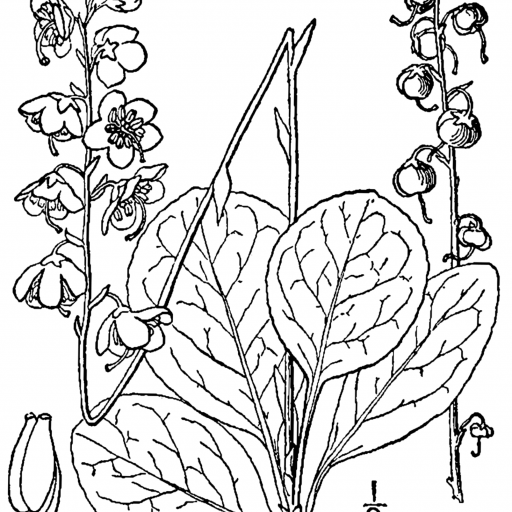
Often called the American Wintergreen or Shinleaf, this delicate wildflower is a hidden gem of the North American forest floor. Its name "Shinleaf" stems from an old English tradition where the cool, leathery leaves were used by laborers as "shin-plasters" to soothe bruises and sores. While it looks like a typical garden perennial, it is actually a sophisticated survivor that keeps its glossy green leaves even under a blanket of winter snow.
🔍 How to Identify
- 🍃 The Foliage: Look for a low-growing rosette of rounded, leathery leaves that are deep green and often have a polished, waxy sheen. They stay green year-round.
- 🔔 The Flowers: In early summer, a single leafless stalk rises 6–12 inches high, displaying a graceful row of nodding, creamy-white bells that resemble Lily of the Valley.
- 🌸 The Style: If you look closely inside the flower, you’ll notice a long, curved "tail" (the style) protruding downward, which helps distinguish it from other similar woodland species.
🏡 In Your Garden
- 🍄 The Fungal Connection: This plant is notoriously difficult to transplant because it relies on a complex "handshake" with specific soil fungi (mycorrhizae) to survive. It is best left to grow where it naturally occurs rather than being moved to a backyard.
- 🌲 The Perfect Spot: In the wild, it thrives in the dappled shade of oak and pine forests. It craves acidic, well-draining soil that is rich in decaying leaf litter, which provides the cool, moist environment its shallow roots need.
⚠️ Safety & Toxicity
- 🌿 Low Toxicity: The leaves contain small amounts of methyl salicylate—the primary ingredient in wintergreen oil. While historically used in folk medicine, it should not be ingested in significant quantities.
- 🐾 Pet & Child Safety: It is generally considered non-hazardous in passing, but the chemical compounds can cause stomach upset if chewed on by curious pets or small children.
✨ Fun Fact
The Pyrola genus is what scientists call "mixotrophic." This means that while it uses its green leaves to make food from sunlight, it also "steals" nutrients from underground fungi. It’s essentially a part-time parasite of the forest floor!

Detailed Care Instructions
To grow Pyrola Americana plants, you can follow these steps:
- Find a suitable location: Pyrola Americana plants prefer moist, well-draining soil in shaded or partially shaded areas. Look for an area in your garden that receives dappled sunlight or filtered shade throughout the day.
- Prepare the soil: Remove any weeds, rocks, or debris from the planting area. Pyrola Americana plants prefer slightly acidic soil with a pH range of 5.5 to 6.5. If your soil is not naturally acidic, you can amend it by incorporating peat moss, pine needles, or acidic compost.
- Obtain plants: Purchase Pyrola Americana plants from a local nursery or online supplier. Alternatively, you can try propagating the plants from seeds or rhizome cuttings, although this may be more challenging.
- Planting: Dig a hole in the prepared soil slightly larger than the root ball of the plant. Place the plant in the hole and cover the roots with soil, gently firming it around the base of the plant. Make sure not to bury the crown of the plant too deeply, as this can lead to rot.
- Watering: Keep the soil moist but not waterlogged. Pyrola Americana plants prefer consistent moisture, so check the soil regularly and water as needed, especially during dry periods. Mulching around the plant can help retain moisture and regulate soil temperature.
- Maintenance: Remove any weeds or competing plants from the surrounding area to reduce competition for resources. Avoid using herbicides or chemical fertilizers near the Pyrola Americana plants, as they can be sensitive to these chemicals.
- Propagation: In the spring, Pyrola Americana plants may produce rhizomes or seeds that can be used for propagation. If you want to propagate them, carefully dig up a mature plant and separate the rhizomes or collect the seeds. Plant them in suitable containers or directly in the garden, following the same planting guidelines.
- Protection: Protect the plants from slugs, snails, and browsing animals, as they may damage the leaves or roots. You can use organic slug repellents or physical barriers like mesh or copper tape.
Remember that Pyrola Americana plants are native woodland plants, and their growth can take time. Be patient and provide the optimal growing conditions to encourage their development.

Place in a window with dappled sun or a spot in the middle of a room. Or directly in a window facing west or east.

To water this plant, it is important to first check the soil moisture level by inserting a finger into the soil up to the first knuckle. If the soil feels dry, it is time to water the plant. Use a watering can or hose with a gentle stream to water the soil around the base of the plant until the soil feels moist but not waterlogged. Avoid getting water on the leaves or flowers of the plant as this can cause damage and disease. Water this plant regularly, but be careful not to overwater as this can also harm the plant. It is best to water in the morning or early evening when temperatures are cooler to prevent evaporation and ensure the plant can absorb the water properly.
To properly fertilize this plant, use a high-quality, slow-release fertilizer with low nitrogen content. Apply the fertilizer evenly around the base of the plant, being careful not to get any on the leaves. Follow the package instructions for dosage and frequency of application. Water lightly after fertilizing to help the nutrients absorb into the soil. Avoid over-fertilizing, which can lead to excessive growth and weakness in the plant.
Pyrola Americana plant prefers a specific type of soil that is rich in nutrients and acidic in nature. Therefore, it is best to use acidic soil that has a pH level between 4.5 and 6.5. The soil should also be well-draining, as the plant does not tolerate standing water. Organic matter like decomposed leaves or pine needles mixed into the soil can provide nutrients and improve drainage. Avoid using soil that is too compacted or clay-like, as it can impede the plant's root growth and ultimately harm its overall health.
Propagation of this plant can be achieved through two primary methods: division and seed sowing.
Division involves separating out the plant's rhizomes, which are underground stems that produce roots and shoots. This method works best in late spring when new shoots are just starting to emerge. First, carefully dig up the entire plant and brush away excess soil to reveal the rhizomes. Use a clean cutting tool to cut through the rhizomes and separate them into clumps with at least one viable shoot and root system. Replant the new clumps in well-draining soil, ensuring that the top of the rhizome is level with the soil surface.
Seed sowing can be done in late summer or early fall, after the plant has finished flowering and the seedheads have ripened. Collect the small, dark seeds and sow them directly into a container or outdoor bed with suitable soil. Cover the seeds with a thin layer of soil and keep the area moist but not waterlogged. Seeds can take several weeks to germinate, so be patient and keep the soil evenly moist until the new seedlings emerge.
Both methods can be successful in propagating this plant, although division is generally easier and faster. With proper care and attention, these new plants will establish themselves quickly and grow into mature plants, ready for their own propagation in subsequent seasons.








