Plant Overview
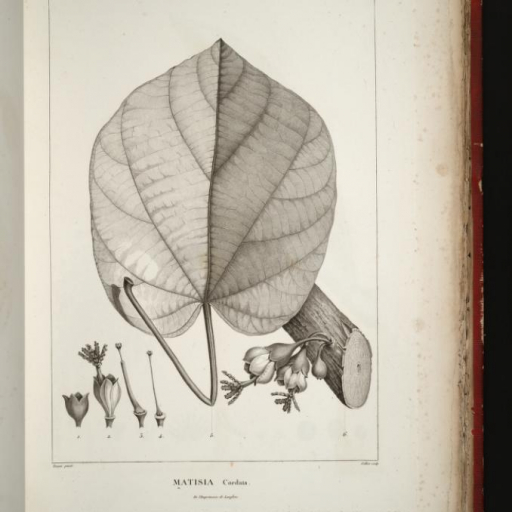
Known affectionately as the "Chupa-chupa" or South American Sapote, this Amazonian giant is a prized treasure among tropical fruit enthusiasts. Its botanical name, cordata, is a nod to its massive, heart-shaped leaves that create a dense, emerald canopy. While it remains a rare sight in standard home gardens, those with the space and climate are rewarded with an exotic fruit that tastes like a decadent blend of honey, mango, and apricot.
🔍 How to Identify
- 🍃 The Foliage: Impressive, broad leaves that can reach over a foot in length, featuring a distinct heart shape (cordate) and deep, prominent veins.
- 🥭 The Fruit: Round, greenish-brown globes about the size of a grapefruit, often covered in a fine, velvety fuzz and topped with a persistent woody cap.
- 🌼 The Blooms: Large, yellowish-white flowers that uniquely sprout directly from the main trunk and older branches—a fascinating botanical trait known as cauliflory.
🏡 In Your Garden
- ☁️ Humidity is Key: As a native of the Amazon basin, this tree craves high humidity and deep, organic-rich soil. It is extremely sensitive to frost and will drop its leaves if the air becomes too dry or cold.
- 🌳 Space Requirements: This is not a "pot plant" for long. It grows rapidly and requires significant vertical and horizontal space to thrive. It’s a "legacy tree" that rewards the patient gardener with shade and bounty after several years of growth.
⚠️ Safety & Toxicity
- ✅ Status: The fruit is safe and highly nutritious for human consumption.
- 🐾 Pet Awareness: While no specific toxins are reported for cats or dogs, the fruit contains large, fibrous seeds. If grown in a yard with pets, ensure they don't ingest the large pits, which could pose a significant choking hazard or cause intestinal blockage.
✨ Fun Fact
The common name "Chupa-chupa" comes from the Spanish word chupar, meaning "to suck." This refers to the traditional way of eating the fruit: because the orange pulp is so fibrous and clings to the seeds, you have to "suck" the sweet juice and flesh off the fibers!

Detailed Care Instructions
To grow Quararibea Cordata plant, also known as Jamaican cherry or Panama berry, you can follow these steps:
- Obtain seeds or a young plant from a reputable nursery or online seller.
- Choose a suitable location with well-draining soil and partial shade. Quararibea Cordata prefers a tropical or subtropical climate.
- Dig a hole slightly larger than the root ball of the plant or prepare a pot with well-draining soil if you prefer growing it indoors.
- If planting in the ground, mix compost or well-rotted manure into the soil to improve fertility and drainage.
- Place the plant in the hole at the same depth it was in the pot or make sure the soil level is similar in the pot, ensuring the roots are covered.
- Water the plant thoroughly after planting to settle the soil and ensure good root-to-soil contact.
- Water regularly to keep the soil consistently moist but not waterlogged. Quararibea Cordata prefers high humidity, so misting the leaves occasionally can help replicate its natural environment.
- Mulch around the base of the plant to help retain moisture and suppress weeds.
- Fertilize the plant in spring and summer with a balanced, slow-release fertilizer or organic compost to provide necessary nutrients.
- Prune the plant during the growing season to maintain its shape and remove any dead, damaged, or crossing branches.
- Protect the plant from extreme cold temperatures and frost, as it is sensitive to cold. If grown in a colder region, consider growing it as a potted plant that can be moved indoors during winter.
- Keep an eye out for pests or diseases and take appropriate action if required, such as using organic insecticides or contacting a local gardening expert for advice.
By following these steps, you should be able to grow a healthy and thriving Quararibea Cordata plant.
To water Quararibea Cordata plants, follow these guidelines:
- Assess the moisture level: Before watering the plant, check the moisture level of the soil. Insert your finger about an inch deep into the soil near the base of the plant. If it feels dry, it's a good indication that the plant requires watering.
- Select an appropriate watering method: There are multiple ways to water Quararibea Cordata plants, such as watering cans, hoses, or drip irrigation systems. Choose a method that suits your preferences and allows for precise watering.
- Watering frequency: Quararibea Cordata plants generally prefer evenly moist soil, but it's important to avoid overwatering. Watering once or twice a week is usually sufficient, depending on factors like temperature, humidity, and the plant's size. In hot weather or during the growing season, you may need to increase the frequency slightly.
- Water quantity: When watering Quararibea Cordata plants, aim to provide enough water to thoroughly moisten the entire root ball. Add water until you see it draining from the bottom of the pot or until the topsoil feels adequately damp. This ensures that the water reaches the plant's roots and promotes healthy growth.
- Watering technique: Take care while watering to avoid splashing or soaking the plant's foliage, as excessive moisture on the leaves can lead to fungal diseases. Direct the water towards the base of the plant and the soil surrounding it.
- Time of day: It's generally recommended to water Quararibea Cordata plants in the morning or early afternoon. This allows excess moisture to evaporate from the leaves, reducing the risk of fungal issues, while ensuring the plant has ample water for the day.
- Observe plant behavior: Keep an eye on your Quararibea Cordata plant for signs of over or under-watering. If the leaves appear droopy or develop yellowing, it could indicate excessive watering. Conversely, if the leaves start wilting or the soil feels excessively dry, it may suggest insufficient watering.
By following these watering guidelines and adjusting them as necessary based on individual plant needs, you can provide optimal moisture levels for your Quararibea Cordata plant's health and growth.
- Begin fertilizing the Quararibea Cordata plant during its active growing season, typically in the spring or early summer.
- Use a balanced, slow-release organic fertilizer or a well-balanced water-soluble fertilizer suitable for flowering plants. Follow the package instructions for application rates.
- Dilute the fertilizer according to the recommended ratio in water before applying it to the plant.
- Apply the fertilizing solution around the base of the plant, avoiding direct contact with the leaves or stems. Ensure even distribution and avoid over-application, as it may harm the plant.
- Water the plant thoroughly after fertilization to help the nutrients penetrate the soil and reach the plant's roots.
- Repeat the fertilization process every four to six weeks throughout the growing season. However, be cautious not to over-fertilize, as it can lead to nutrient imbalances or burn the plant's roots.
- During the plant's dormant period, usually in the winter, reduce or stop fertilization, as the plant requires less nutrients during this time.
- Monitor the plant's growth and health regularly, adjusting the fertilization frequency or concentration as needed based on the plant's response and specific requirements.
Quararibea Cordata is a tropical plant that requires specific soil conditions to thrive. The ideal type of soil to use for this plant is rich, well-draining, and slightly acidic. It's important to choose a soil mix that retains moisture without becoming waterlogged.
A suitable soil mixture for Quararibea Cordata can be created by combining equal parts of organic compost, peat moss, and perlite. The organic compost provides essential nutrients and improves the soil structure, while peat moss helps retain moisture without inhibiting drainage. The perlite helps to enhance aeration and prevent compaction.
When preparing the soil, it's recommended to ensure it is free from any pests, diseases, or weed seeds. You can achieve this by sterilizing the soil before planting or purchasing pre-packaged sterilized soil mix.
Additionally, Quararibea Cordata prefers slightly acidic soil with a pH range of 6.0 to 6.5. If the soil in your region is naturally alkaline, you can lower the pH by incorporating acidic amendments such as elemental sulfur or pine needles into the soil mixture. Monitoring the pH levels periodically will help ensure the plant's optimal growth.
Remember to regularly check the moisture level of the soil and water the plant accordingly. Overwatering should be avoided as it can lead to root rot, while underwatering may cause the plant to wilt. Maintaining a consistent level of moisture in the soil will aid in the healthy development of Quararibea Cordata.
It's worth noting that Quararibea Cordata is a sensitive plant that may require extra care and attention. Be sure to monitor its growth conditions closely and make adjustments as needed to provide the best possible soil environment for its overall well-being.
Sure, here's a step-by-step guide on how to propagate Quararibea cordata plant:
- Select a healthy parent plant: Choose a mature, healthy Quararibea cordata plant with strong stems and vibrant foliage.
- Gather the necessary materials: Prepare a sharp, sterilized knife or pruning shears, a clean container, a well-draining potting mix, and a rooting hormone (optional).
- Choose a suitable cutting: Select a stem that is approximately 6-8 inches long, and make sure it has at least two to three nodes (small bumps where the leaves emerge). Nodes are essential for root development.
- Prepare the cutting: Using the sterilized knife or pruning shears, make a clean, diagonal cut just below a node. Remove any excess leaves from the lower half of the cutting.
- Optional: Apply rooting hormone: If desired, dip the cut end of the cutting into a rooting hormone powder or gel. This promotes root growth and can enhance the success rate of propagation.
- Plant the cutting: Fill a clean container with a well-draining potting mix. Make a hole in the soil and gently insert the cutting, ensuring that the leafless nodes are buried in the soil while leaving the remaining nodes and foliage above the soil surface.
- Water the cutting: Moisten the potting mix, but be careful not to oversaturate it. Maintain a slightly moist, but not waterlogged, environment to prevent rotting.
- Create a suitable environment: Place the container in a warm and humid location, ideally with bright, indirect sunlight. You can cover the cutting with a plastic bag to create a mini greenhouse effect and retain moisture.
- Provide regular care: Monitor the moisture level of the potting mix and water as needed to keep it slightly moist. Avoid direct sunlight, as it can scorch the cutting. Mist the leaves occasionally to maintain humidity.
- Wait for root development: Over the course of a few weeks, the cutting should start developing roots. You may gently tug on the cutting to check for resistance, indicating root growth.
- Transplanting: Once the roots have developed, and the cutting has grown into a small plantlet, it is ready for transplanting. Choose a larger pot with well-draining soil and gradually acclimate the new plant to its new environment.
Remember, Quararibea cordata can also be propagated through seeds, but this method requires specific conditions and can take longer to establish compared to stem cuttings.








