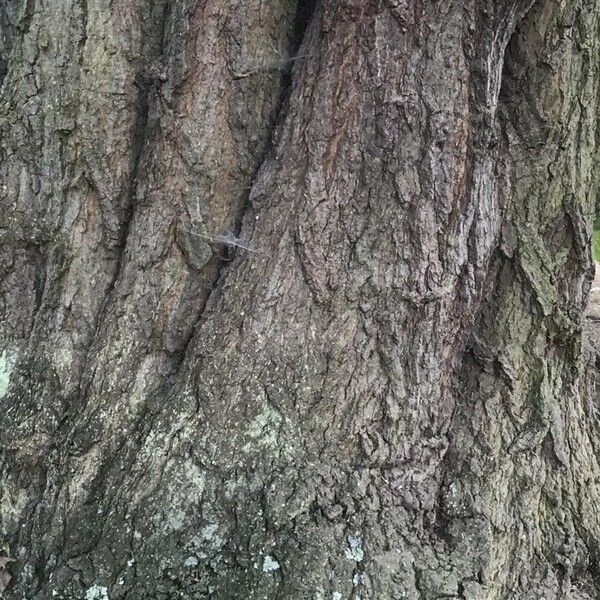
Plant Overview
Known as Bender’s Oak, this majestic tree is a natural masterpiece of hybridization. It is a cross between the Northern Red Oak (Quercus rubra) and the Scarlet Oak (Quercus coccinea), blending the rapid growth of the former with the breathtaking autumn brilliance of the latter. Often found in the mixed forests of Eastern North America, it serves as a sturdy, long-lived sentinel that bridge the gap between two of the continent's most iconic species.
🔍 How to Identify
- 🍃 Deeply Lobed Leaves: The leaves are typically large with 7 to 9 pointed lobes, featuring the "bristle-tips" characteristic of the red oak group.
- 🍂 Autumn Palette: Unlike some oaks that turn a muddy brown, this hybrid usually erupts into vibrant shades of deep crimson or scarlet before falling.
- 🥜 The Acorn Cup: Its acorns are held in a scaly, bowl-shaped cup that is deeper than a Red Oak’s but not quite as fringed as a Scarlet Oak’s.
- 🌳 Growth Habit: It develops a broad, rounded crown and a powerful trunk, reaching impressive heights that make it a standout shade tree.
🏡 In Your Garden
- ☀️ Light & Space: This is not a tree for small urban yards; it demands full sun and plenty of room for its canopy to spread. It is a legacy plant intended to last for centuries.
- 🌱 Root Nuance: Because it inherits a deep taproot system, it is exceptionally wind-resistant once established. However, this means you must choose its permanent spot carefully, as it hates being transplanted.
- 🧪 Soil Preference: It thrives best in slightly acidic, well-drained soils. In high-alkaline (lime) soils, the leaves may turn yellow—a condition known as chlorosis—because the tree struggles to "breathe" in the nutrients it needs.
⚠️ Safety & Toxicity
- 🟢 Non-Toxic to Touch: The wood, bark, and leaves are perfectly safe for humans to handle and touch.
- 🐕 Acorn Warning: Like all oaks, the acorns contain high concentrations of tannins. While humans find them too bitter to eat raw, they can be toxic to dogs, horses, and cattle if consumed in large quantities, leading to gastrointestinal distress.
✨ Fun Fact
Bender’s Oak is a prime example of "hybrid vigor." In many cases, these hybrid offspring grow faster and are more resistant to certain local pests than either of their parent species, making them the ultimate "super-oaks" of the forest.

Detailed Care Instructions
Growing Quercus × Benderi, also known as Bender's Oak, can be done by following these steps:
- Climate: Ensure that your climate is suitable for growing Bender's Oak. It thrives in regions with a Mediterranean or temperate climate.
- Location: Select a suitable planting location. Quercus × Benderi prefers full sun to partial shade. Choose a well-draining spot with good air circulation.
- Soil: The soil should be fertile, loamy, and well-draining. If your soil is heavy clay or sandy, amend it with organic matter like compost to improve its fertility and drainage.
- Planting: Spring or fall is the ideal time to plant Bender's Oak. Dig a hole that is slightly wider and deeper than the root ball of the plant. Place the root ball in the hole and backfill it with soil, ensuring that the top of the root ball is level with the ground. Water thoroughly to settle the soil.
- Watering: Water the tree deeply after planting, and then regularly during the first growing season. Keep the soil moist but not waterlogged. Once the tree is established, it can tolerate some dry periods but will still benefit from regular watering during prolonged droughts.
- Mulching: Apply a layer of organic mulch around the base of the tree, about 2-3 inches deep. Mulch helps in conserving soil moisture, suppressing weeds, and regulating soil temperature.
- Pruning: Prune Bender's Oak sparingly, mainly to remove dead, damaged, or crossing branches. Pruning should be done during the dormant season to minimize stress on the tree.
- Fertilizing: Quercus × Benderi generally do not require much fertilizer. However, you can apply a slow-release, balanced, organic fertilizer once a year in early spring to provide essential nutrients.
- Protection: Protect the young tree from wildlife and deer browse. Use fencing or tree guards if necessary to prevent damage.
- Maintenance: Regularly monitor your tree for any signs of pests or diseases. Treat any issues promptly, following recommended methods and products.
Remember, growing trees takes time and patience. Quercus × Benderi is a slow-growing tree, so be prepared to wait for a few years before it fully establishes and assumes its distinctive oak shape.
To water this plant, it is important to consider the soil moisture content before each irrigation event. The ideal watering frequency and amount can depend on factors such as the current plant growth stage, soil type, drainage, and local climate.
Before watering, check the soil moisture level by probing the topsoil or inserting a soil moisture meter into the ground. Water the plant when the soil is dry to the touch or the meter indicates low soil moisture levels.
To properly water the plant, use a watering can, hose, or drip irrigation system. Direct the water toward the base of the plant to minimize runoff and allow the water to soak deeply into the root zone. Avoid overhead watering, as this can increase the risk of foliar diseases and reduce water efficiency.
It is important not to overwater the plant, as this can lead to waterlogged soil and root rot. Allow the soil to dry out slightly between watering events to promote healthy root growth and oxygen uptake. During periods of high heat or drought, it may be necessary to increase watering frequency to prevent stress and wilting.
To promote healthy growth of your plant, apply a slow-release fertilizer in the early spring before new growth emerges. Use a balanced fertilizer with equal proportions of nitrogen, phosphorus, and potassium. Apply the fertilizer evenly around the base of the plant, avoiding direct contact with the trunk or stems. Water thoroughly after fertilizing. Repeat the application every six to eight weeks during the growing season, but reduce the frequency in late summer and fall to avoid encouraging new growth that may not harden off before winter. Always follow the manufacturer's instructions on the fertilizer label.
It is recommended to use a well-draining soil mixture that is rich in organic matter for this plant. The soil should have a pH level that is slightly acidic. A mixture of sand, peat moss, and perlite can be used to improve soil drainage and aeration. The plant should be planted in a location that receives full sun to partial shade, depending on the climate and the specific growth habits of the plant. Adequate watering is important, as the plant requires moist but not waterlogged soil. Regular fertilization can also help to promote healthy growth.
To propagate this particular plant species, take stem cuttings from the parent plant in the late summer or early fall when there is no active growth. Cuttings should be around 7-10 cm in length and preferably have a few leaves. Remove the lower leaves of the cutting, leaving only a few leaves at the top.
Dip the cut end in rooting hormone powder, then place the cutting in a pot with well-draining soil mixture. Cover the pot with a plastic bag to create a greenhouse effect that will promote rooting. Check the cutting regularly and mist it with water when needed.
Once roots have formed, usually in 4-6 weeks, the cutting can be gradually acclimated to outdoor conditions before transplanting to a permanent location.








