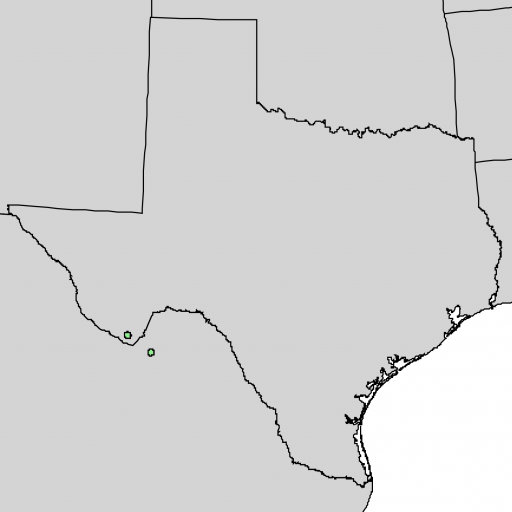
Plant Overview
Known as the Canby Oak or Mexican Red Oak, this elegant evergreen to semi-evergreen tree is a hidden gem of the Sierra Madre Mountains. Unlike the massive, sprawling silhouettes of traditional oaks, the Canby Oak offers a more graceful, slender profile with glossy foliage that dances in the breeze. It is a favorite for urban landscapes because it balances rugged endurance with high-end aesthetic appeal.
🔍 How to Identify
- 🍃 The Leaves: Look for narrow, elongated leaves with deep, sharp lobes and tiny bristles at the tips. They are a deep, lustrous green on top and slightly paler underneath.
- 🍂 Seasonal Color: In early spring, the new growth emerges in a striking shade of reddish-bronze, providing a "second autumn" look before maturing into dark green.
- 🌳 Growth Habit: This oak maintains a neat, upright, and somewhat pyramidal shape when young, eventually spreading into a rounded crown with slender, slightly weeping branches.
🏡 In Your Garden
- ☀️ Sun & Heat Lover: This tree is a champion of the South. It is exceptionally heat-tolerant and thrives in full sun, making it a perfect "street tree" that won't wilt under reflected pavement heat.
- 🪨 Soil Flexibility: While many oaks are picky about pH, the Canby Oak is highly adaptable. It handles rocky, alkaline, or limestone-heavy soils with ease, provided they are well-drained.
- 💧 Drought Resilience: Once its root system is established, it requires very little supplemental water, making it an excellent choice for xeriscaping or low-maintenance landscapes.
⚠️ Safety & Toxicity
- 🟢 Non-Toxic Status: The Canby Oak is generally considered safe and non-poisonous for humans and common garden visitors.
- 🐿️ Acorn Nuance: Like all oaks, it produces acorns. While squirrels and birds love them, they contain tannins which can cause mild stomach upset in dogs or horses if consumed in large quantities.
- 🧤 Pruning Care: While not toxic, the sharp lobes on the leaves can be prickly; wearing gloves during pruning is recommended to avoid minor scratches.
✨ Fun Fact
The Canby Oak is one of the fastest-growing oak species! While many oaks are known for their "slow and steady" pace, a young Canby Oak can put on several feet of height per year under the right conditions, giving you shade much sooner than its cousins.

Detailed Care Instructions
To grow a Quercus canbyi plant, also known as Canby oak, you can follow these steps:
- Choose the right conditions: Canby oak is native to North America and prefers to grow in well-draining soil in full sun or partial shade. Ensure that the planting location provides enough sunlight and protection from strong winds.
- Obtain the seeds or a young sapling: You can either collect seeds from existing Canby oak trees or purchase them from a reputable nursery. Alternatively, you can try to find a young Canby oak sapling at a nursery or garden center.
- Prepare the soil: Before planting, prepare the soil by loosening it with a garden fork or tiller. Ensure that the soil is well-draining and rich in organic matter. Add compost or well-rotted manure to improve fertility if needed.
- Plant the seeds or sapling: If starting from seeds, sow them in pots or seed trays filled with a well-draining potting mix. Moisten the soil regularly but avoid overwatering. Once the seedlings are big enough, transplant them into larger pots or the ground. If using a sapling, dig a hole that is wider and deeper than the root ball. Place the sapling in the hole and backfill it with soil, gently firming it around the roots.
- Water regularly: Keep the soil consistently moist but not waterlogged, especially during the first growing season. After the plant is established, it generally becomes more tolerant of drought conditions.
- Mulch the base: Apply a layer of organic mulch, such as wood chips or bark, around the base of the plant. This helps retain moisture, control weeds, and regulate soil temperature.
- Prune as needed: Canby oak generally requires minimal pruning. However, remove any dead or damaged branches during the dormant season to promote healthy growth.
- Protect from pests and diseases: Canby oak trees are generally tolerant and resistant to most pests and diseases. However, regularly inspect the leaves and branches for signs of infestation or disease. If necessary, consult a professional or use appropriate treatments to address the issue.
- Be patient: Canby oak is a slow-growing tree, and it may take several years for it to reach its mature height and size. Be patient and provide consistent care and maintenance to ensure healthy growth over time.
Remember to check the specific care requirements for Quercus canbyi, as some variations may exist depending on your location and climate.

Place in a bright room that is sun drenched almost all day. Or directly in a south-facing window.

Watering this plant requires giving it the appropriate amount of moisture it requires in order to thrive. It is important to be mindful of the soil moisture levels, as over-watering can lead to root rot and can ultimately kill the plant. It is recommended to provide water when the top inch of soil appears dry to the touch. This can be achieved by watering slowly and deeply, directly onto the soil around the base of the plant. Care should be taken to avoid getting the foliage wet, as this can lead to disease. Additionally, it is advisable to avoid watering at night, as this can increase the risk of fungal growth. Depending on the climate and soil conditions, the plant may require more or less frequent watering, so it is important to monitor the plant carefully and adjust the watering schedule as needed.
To fertilize this plant, use a balanced, slow-release fertilizer with equal amounts of nitrogen, phosphorus, and potassium. Apply the fertilizer in early spring just before the growth period. Water the plant thoroughly after the application to make sure the nutrients are absorbed properly. Avoid over-fertilizing as it can damage the plant.
The ideal soil for the plant is a mixture of well-draining soil, sand, and organic matter. The soil pH should be slightly acidic to neutral, between 6.0-7.0. It should also be rich in nutrients like nitrogen, phosphorus, and potassium. It is important to use soil that is free of pests and diseases to ensure healthy growth of the plant. The soil should be moist, but not waterlogged, as excessive moisture can lead to root rot. Regular fertilization with a balanced fertilizer is recommended to promote healthy growth.
Propagation of this plant can be done through various methods such as seed germination, cuttings, and layering. For seed germination, the seeds should be collected from matured fruits and sowed into a well-drained soil mix. The soil should be kept moist and in a warm environment until the seedlings emerge. For cuttings, a matured stem should be selected and cut into sections of about 6 inches, and the leaves removed from the lower portion. The cuttings should then be placed into a rooting hormone and planted in a well-draining soil mix. The soil should be kept moist and in a warm environment until the new roots develop. Layering involves bending a low-lying branch and placing a portion of it into a well-draining soil mix. The branch should then be covered with soil and kept moist until the new roots develop. Once the new plant has been propagated, it can be transplanted into a larger container or directly into the ground.








