Plant Overview
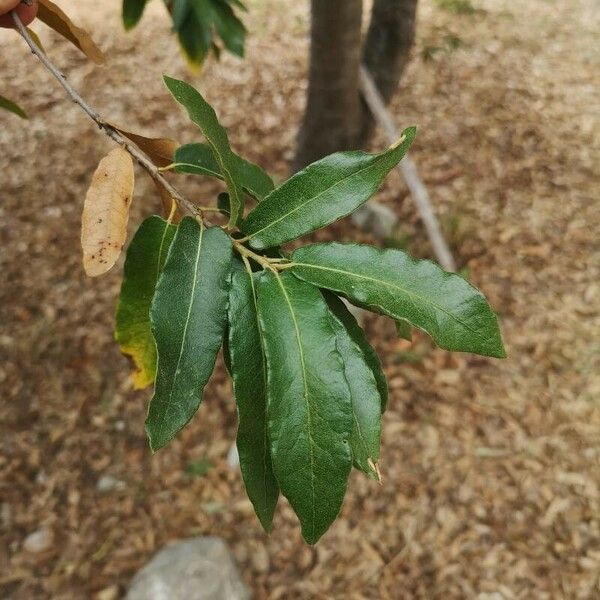
The Mexican Oak (Quercus mexicana), often called the Encino Colorado in its homeland, is a resilient and elegant evergreen tree that graces the high-altitude forests of central and southern Mexico. Unlike the broad, lobed leaves of many Northern oaks, this species features slender, willow-like foliage that stays vibrant throughout the winter. It is a symbol of endurance, frequently acting as a "pioneer species" that helps restore health to damaged forest ecosystems.
🔍 How to Identify
- 🍃 Leaf Shape: The leaves are narrow and lance-shaped, lacking the deep indentations or "lobes" common in other oaks. They are thick and leathery to the touch.
- ☁️ Velvety Underside: If you flip a leaf over, you’ll find a fine, brownish-yellow fuzz (tomentum). This "hairy" layer helps the tree conserve moisture in dry climates.
- 🌰 Acorns: It produces small, egg-shaped acorns that sit in a shallow, scaly cup, usually maturing in a single season.
- 🌳 Bark Profile: As the tree ages, its dark grey bark becomes deeply fissured and rough, providing a perfect home for mosses and lichens.
🏡 In Your Garden
- 🌱 Deep Root Ambitions: Like many oaks, the Mexican Oak develops a significant taproot early in life. This makes it incredibly drought-tolerant once established, but it also means it hates being moved. Choose its "forever home" carefully!
- ⛰️ Highland Heritage: Because it originates from mountainous regions, it prefers well-draining soil and can handle cooler temperatures better than many tropical oaks, though it thrives best in Mediterranean-like climates.
- 🦋 Wildlife Magnet: It is a vital host plant for various butterfly and moth larvae, making it an excellent choice for a "living landscape" that supports local biodiversity.
⚠️ Safety & Toxicity
- ✅ General Status: Non-toxic and safe for humans to handle.
- 🐕 Pet Caution: While the tree itself isn't "poisonous," the acorns contain high levels of tannins. If a curious dog eats a large quantity of acorns, it can lead to upset stomachs or, in rare cases, kidney issues. It’s best to keep the lawn clear of fallen nuts if your pet is a scavenger.
✨ Fun Fact
In ancient times, the tannins extracted from the bark and "oak galls" (small growths caused by friendly wasps) of trees like the Mexican Oak were used to create Iron Gall Ink. This was the standard ink used by scribes and world leaders for over a thousand years—meaning many of history's most famous documents were written with oak juice!

Detailed Care Instructions

Place in a bright room that is sun drenched almost all day. Or directly in a south-facing window.

When the top few inches of soil dry out, water your plants. If the top few inches of soil are still moist, do not water your plant. Wait a few days, then poke your finger into the soil to see if anything has changed. Overwatering poses a disease risk, such as the development of fungal diseases in the roots. These plants have adaptations in there leaves that allow them to survive in low water supply.








