Plant Overview
Commonly known as the Texas Red Oak or Nuttall's Oak, this tree is a favorite among landscapers for its rapid growth and "stiff upper lip" resilience. While it shares a name with the Lone Star State, it is actually a powerhouse of the Mississippi Valley, famous for its ability to survive in heavy clay soils where other oaks might wither. It is the go-to choice for those who want the majesty of an oak tree without waiting decades for it to reach a towering height.
🔍 How to Identify
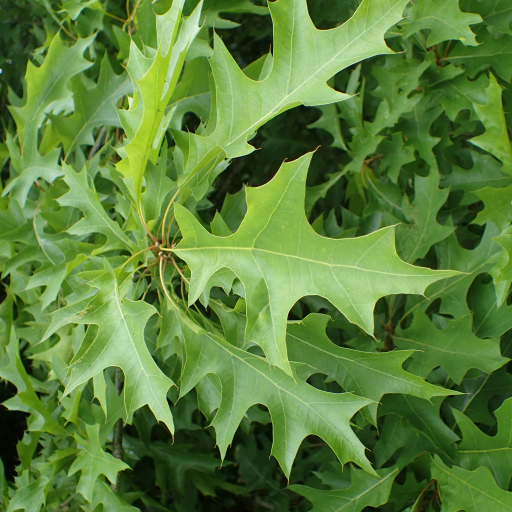
- 🍃 The Leaves: Look for deeply "cut" leaves with 5 to 11 lobes. Each lobe ends in a sharp, bristle-tipped point, giving the tree a textured, feathery appearance in the summer.
- 🌰 The Acorns: It produces small, oblong acorns that sit in a deep, "stocking cap" style cup. These are a vital food source for local squirrels and birds.
- 🍂 Fall Color: Unlike some oaks that simply turn brown, Quercus texana puts on a dramatic show, transforming into brilliant shades of orange and fire-engine red before dropping its leaves.
🏡 In Your Garden
- 🏗️ Fast-Track Shade: This is one of the fastest-growing red oaks. If you are looking to provide shade for a new home or park, this tree "gets the job done" much quicker than its slower cousins like the Live Oak.
- 🌊 Soil Flexibility: While most oaks demand perfect drainage, the Texas Red Oak is surprisingly tolerant of "wet feet." It can handle heavy, compacted clay and occasional flooding, making it an excellent choice for urban environments or low spots in a yard.
- 🌳 Strong Structure: It maintains a central "leader" (main trunk) very well, which means it requires less pruning to look beautiful and resists wind damage better than many other fast-growing species.
⚠️ Safety & Toxicity
- 🐾 Pet Safety: Like all members of the Oak family, the leaves and acorns contain tannins, which are toxic to dogs, cats, and horses if consumed in large quantities.
- 🧒 Child Safety: The tree itself is safe to touch, but the small acorns can be a choking hazard for toddlers who enjoy "foraging" in the backyard.
- 🩹 Skin Care: Pruning the tree is generally safe, though the sharp-tipped leaves can occasionally cause minor scratches to sensitive skin.
✨ Fun Fact
For many years, this tree suffered from a "botanical identity crisis." It was frequently confused with the Pin Oak, but scientists eventually realized it was a distinct species that could handle much harsher, more alkaline soils than its look-alike!

Detailed Care Instructions
To successfully grow Quercus texana plants, also known as Texas oak or Nuttall oak, follow these steps:
- Climate: Quercus texana typically grows well in USDA hardiness zones 7-9. Ensure that your climate is suitable for this plant.
- Site selection: Choose a location with full sun exposure. The plant prefers slightly acidic to alkaline, well-draining soils.
- Soil preparation: Prepare the soil by removing any weeds, rocks, or debris. Loosen the soil and amend it with organic matter like compost to improve drainage and fertility.
- Planting: Dig a hole that is wider and slightly deeper than the root ball of the Quercus texana plant. Place the plant in the hole, making sure that the top of the root ball is level with or slightly above the soil surface. Fill the hole with soil, firming it gently around the plant.
- Watering: Water the newly planted oak tree thoroughly after planting. Keep the soil evenly moist, especially during the first year. Once established, Quercus texana is relatively drought-tolerant, but regular watering during prolonged dry spells is still necessary.
- Mulching: Apply a layer of organic mulch around the base of the tree, taking care to keep it a few inches away from the trunk. Mulch helps retain soil moisture, regulate temperature, and reduce weed growth.
- Pruning: Minimal pruning is required for Quercus texana. Remove any dead, damaged, or crossing branches. Avoid heavy pruning as oak trees have a natural shape that should be maintained.
- Fertilization: Fertilize once a year in early spring with a balanced slow-release fertilizer formulated for trees. Follow the package instructions for application rates.
- Pest and disease control: Texas oak is generally resistant to most pests and diseases. However, monitor the tree for any signs of issues and address them promptly if detected.
- Protection: Protect young Quercus texana plants from browsing animals by installing protective barriers until they are large enough to withstand browsing damage.
Remember that oak trees, including Quercus texana, have a slow growth rate, so patience is key. Provide consistent care and maintenance, and you will enjoy watching your tree grow and thrive over time.

Place in a bright room that is sun drenched almost all day. Or directly in a south-facing window.

Quercus Texana, a species of plant, requires consistent watering throughout its growth cycle to thrive. The plant's watering schedule may vary, depending on the climate, location, and soil type it grows in. When watering this plant, it is essential to ensure that the water is applied directly to the soil and not on the leaves or stem.
One useful rule of thumb to keep in mind when watering Quercus Texana is to water deeply and less frequently. This helps the plant's roots grow deep into the soil and absorb water efficiently, resulting in a healthy and strong plant.
During hot and dry weather, Quercus Texana may require more frequent watering to ensure that the soil surrounding the roots remains moist. In contrast, during rainy or cool weather, you may need to water the plant less frequently.
To determine if the plant needs watering, you can perform a soil moisture test by sticking a finger into the soil about an inch deep, and if it feels dry, it's time to water.
Furthermore, avoid overwatering the plant, which may lead to rotting and root damage. Water the plant slowly to prevent the water from running off or creating puddles around the roots.
In summary, Quercus Texana requires consistent watering, deep watering, less frequent watering, and avoiding overwatering to keep it healthy, vibrant, and thriving.
To fertilize this type of plant, you will need to apply a slow-release fertilizer in early spring or late fall. The fertilizer should be high in nitrogen and potassium, with a lower percentage of phosphorus. Apply the fertilizer around the drip line of the plant, and water it thoroughly afterward. Avoid over-fertilizing, as this can lead to excessive growth and potential disease. Monitor the plant's growth and adjust fertilization as necessary.
The ideal soil for the plant in question is a clay or loam soil that is well-draining, with a pH level that ranges from slightly acidic to neutral. The soil should be moist, but not waterlogged, and should have good fertility, with a high percentage of organic matter. The plant prefers soils that are rich in nutrients, such as nitrogen, phosphorus, and potassium, and that are well-aerated, with good structure and texture. It is important to avoid using soils that are sandy or compacted, as these can lead to poor growth and development of the plant. In addition, it is important to ensure that the soil is free from contaminants, such as pesticides, herbicides, or heavy metals, that can harm the plant and the surrounding environment.
To propagate this plant, you will need to collect seeds from the mature plant when they are fully ripe. Choose seed pods that are brown and dry, and allow them to fully open. Collect the seeds from inside the pods and remove any remaining chaff or debris.
Prepare a potting mixture of well-draining soil, and sow the seeds at a depth of 1-2 inches. Cover the seeds with soil and water thoroughly.
Place the pot in a warm and bright location, preferably where it can get direct sunlight for at least 6 hours of the day. Water regularly and keep the soil consistently moist.
When the seedlings have grown to around 6 inches in height, they can be transplanted into larger containers or planted directly in the garden. If planting in the garden, make sure to choose a location that receives plenty of sun and has well-draining soil.
Continue to water and care for the young plants until they are established and have developed strong root systems. With proper care, the plants will grow into strong and healthy trees that can provide shade and beauty for many years to come.








