Plant Overview
The Xalapa Oak, often affectionately called the "Encino Colorado" in its native Mexico, is a regal sentinel of the Mesoamerican cloud forests. Named after the city of Xalapa, this tree is a favorite for those seeking a majestic, long-lived canopy that brings a touch of the misty highlands to a landscape. It is prized for its elegant, elongated foliage and its role as a cornerstone of forest ecosystems.
🔍 How to Identify
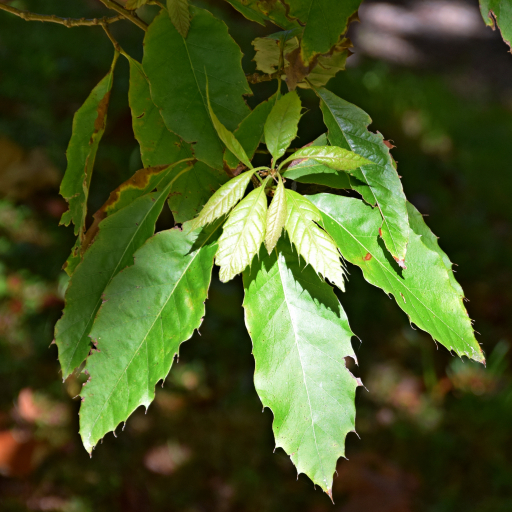
- 🍃 Serrated Foliage: Unlike the rounded leaves of many common oaks, these are long, lance-shaped, and rimmed with sharp, bristle-tipped teeth that give the tree a "toothy" appearance.
- 🌰 Petite Acorns: It produces small, rounded nuts nestled in shallow, scaly cups. Interestingly, these acorns take two full growing seasons to mature.
- 🌳 Rugged Bark: The trunk is covered in dark, grayish-brown bark that becomes deeply furrowed and textured as the tree reaches maturity.
🏡 In Your Garden
- ⛰️ Cloud Forest Vibes: This oak thrives in humid environments and prefers rich, well-draining, slightly acidic soil that mimics the nutrient-dense floor of a tropical mountain forest.
- ⚓ Deep Anchorage: It develops a powerful taproot early in its life. Because of this "anchor," it hates being transplanted; once you find the perfect spot for it, let it stay there for the next century!
- 🌧️ Moisture Lover: While established oaks are tough, the Xalapa Oak appreciates consistent moisture more than its desert-dwelling cousins, making it ideal for temperate, rainy climates.
⚠️ Safety & Toxicity
- 🐕 Tannin Content: Like almost all members of the Quercus genus, the leaves and acorns contain tannins. While generally ignored by pets, they can cause digestive upset or kidney issues in dogs and horses if eaten in large quantities.
- 👶 Low Risk: It is non-toxic to touch and safe for children, though the fallen acorns can be a tripping or choking hazard on garden pathways.
✨ Fun Fact
The Xalapa Oak is a "vertical garden" in the wild! Because of its textured bark and sturdy branches, it is a primary host for epiphytes—it is common to see a single tree covered in dozens of species of wild orchids, bromeliads, and ferns.

Detailed Care Instructions
To grow a Quercus Xalapensis plant, also known as Mexican white oak, follow these steps:
- Choose a suitable planting location: Mexican white oak prefers well-draining soil and full sun to partial shade. Select a spot in your garden or landscape that meets these conditions.
- Prepare the soil: Loosen the soil in the planting area to a depth of about 12 inches. Remove any rocks, weeds, or other debris. This will help the roots of the Quercus Xalapensis plant establish easily.
- Plant the tree: Dig a hole that is slightly larger and deeper than the root ball of the plant. Place the plant in the hole, making sure it is straight and the top of the root ball is level with or slightly above the soil surface. Fill the hole with soil, gently firming it around the roots.
- Water the plant: After planting, thoroughly water the Quercus Xalapensis to ensure good soil moisture around the roots. Keep the soil consistently moist but not waterlogged, especially during the first year of growth. Water deeply and allow the topsoil to dry between watering.
- Mulch the base: Apply a layer of organic mulch around the base of the tree to help conserve soil moisture, suppress weeds, and regulate soil temperature. Keep the mulch several inches away from the trunk to prevent rot.
- Provide regular care: Mexican white oak generally requires minimal care once established. However, regular watering during dry spells and fertilizing with a balanced slow-release fertilizer in early spring can promote healthy growth.
- Prune as needed: Prune the Quercus Xalapensis plant to remove dead or diseased branches, improve structure, and shape the tree. Pruning is best done during the dormant season in late winter or early spring.
- Protect from pests and diseases: Keep an eye out for common pests and diseases that can affect oak trees, such as oak wilt, anthracnose, and oak leafroller. Treat any issues promptly to prevent the spread.
Remember that Quercus Xalapensis is a long-lived tree, and it may take several years for it to reach its full potential. Patience and regular care will help your plant thrive and grow into a beautiful specimen.
Quercus Xalapensis is a type of plant that needs sufficient water to grow properly. To water Quercus Xalapensis, you should first identify the soil type and drainage. Sandy soil requires more frequent watering while heavier soil retains moisture longer.
When watering, make sure to give a good soak to the entire root zone rather than just the surface. You can do this by using a soaker hose or watering deeply and slowly with a watering can or hose.
It is important to avoid overwatering, as this can lead to root rot and other problems. You can monitor the soil's moisture levels by sticking your finger about 2-3 inches into the soil; if it feels dry, then it's time to water.
You should also consider watering Quercus Xalapensis during dry periods, especially during the summer. However, if the weather is particularly humid or if it has recently rained, you may not need to water as often.
Finally, it is recommended to water Quercus Xalapensis in the morning or evening when the sun is less intense. This can help prevent evaporation and allow the plant to better absorb the water.
To provide proper nutrients for this plant, use a balanced fertilizer with equal amounts of nitrogen, phosphorus, and potassium. Apply the fertilizer in the early spring before new growth emerges and repeat the application in the late summer to provide nutrients for the fall season. Follow the fertilizer package instructions for the recommended amount to use based on the size of the plant. Avoid fertilizing in the winter or early fall as the plant is entering dormancy. Water thoroughly after fertilizing to help nutrients reach the roots.
The ideal soil for Quercus Xalapensis plant is well-draining, slightly acidic soil with a pH range between 5.5 to 7.5. The soil should be fertile and rich in organic matter. It should also be able to retain moisture without becoming waterlogged. The plant prefers soils that are low in salts and have a moderate amount of nitrogen. The soil should be deep enough to accommodate the plant's deep root system. A mixture of sand, loam, and organic matter is suitable for this plant. It's essential to avoid using compacted, heavy, or clay soils.
To propagate the plant, first select healthy and mature stems for cuttings. Cut the stem at an angle to ensure a clean cut. Remove the lower leaves on the stem and dip the cut end into rooting hormone powder. Plant the cutting in a well-draining soil mixture, making sure to keep the soil slightly moist. Keep the cutting in a warm and bright area, avoiding direct sunlight. It may take a few weeks for roots to form and once they do, the plant can be moved to a larger container or planted in the ground. Regular watering and fertilizing will help the plant to establish itself in its new location.








