Plant Overview
Known as the "Fried Egg Tree" or "Forest Gardenia," Randia genipoides is a tropical showstopper that brings a whimsical touch to any landscape. Belonging to the coffee family (Rubiaceae), it is most famous for its large, fragrant flowers that bear a striking resemblance to a sunny-side-up egg. Native to tropical regions of Africa, it has become a prized specimen for collectors who enjoy rare, aromatic flora.
🔍 How to Identify
- 🍳 The "Fried Egg" Bloom: The most distinct feature is the flower—five to six broad, waxy white petals surrounding a bright, golden-yellow center.
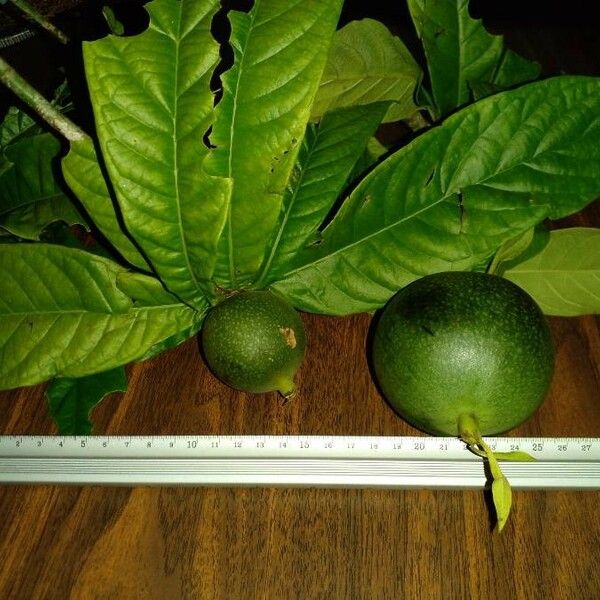
- 🍃 Glossy Foliage: The leaves are large, deep green, and highly reflective. They grow in opposite pairs and have a leathery texture that helps the plant withstand heat.
- 🌳 Growth Habit: It typically grows as a multi-stemmed evergreen shrub or a small tree, reaching heights of 10 to 15 feet if left unpruned.
🏡 In Your Garden
- 🌱 Root Stability: Like many members of the Rubiaceae family, this plant develops a sensitive root system. It dislikes being "pot-bound" but also reacts poorly to frequent transplanting, so choose its permanent home carefully.
- 🌬️ Scent Management: The fragrance is incredibly potent, especially at dusk. Plant it near a patio or window where you can enjoy the jasmine-like perfume during the evening hours.
- 💦 Humidity Specialist: This plant is a child of the tropics; it requires consistent moisture and high humidity to prevent leaf-drop. It is not a fan of dry, indoor heaters during the winter.
⚠️ Safety & Toxicity
- 🐾 Pet Safety: Randia genipoides is generally considered non-toxic to cats and dogs. However, as with any ornamental plant, keep an eye on "nibblers" to avoid mild digestive upset from the fibrous leaves.
- 👶 Child Safety: There are no known toxic sap or thorns, making it a safe and fascinating addition to a family garden.
✨ Fun Fact
The "Fried Egg" look isn't just for show! The bright yellow center acts as a "nectar guide," signaling to night-flying pollinators like Hawk Moths exactly where the sweet rewards are hidden deep within the flower.

Detailed Care Instructions








