Plant Overview
Often called the White Water Crowfoot or Water Buttercup, this aquatic beauty transforms still ponds into "snowy" landscapes during the spring. It is a master of adaptation, living two lives simultaneously: one beneath the surface and one above. In folklore, these white blossoms were often seen as a sign of clean, healthy water sources.
🔍 How to Identify
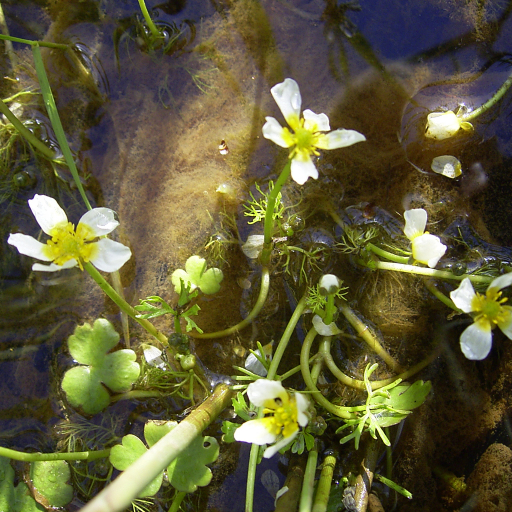
- 🌼 The Flowers: Small, five-petaled white blooms with a bright yellow center, usually held just an inch or two above the water surface on slender stalks.
- 🌿 Submerged "Hair" Leaves: Below the surface, the leaves are finely divided into thread-like filaments, looking like green feathers or horsehair to handle water currents.
- 🍃 Lobed Floating Leaves: If the water is calm, it develops flat, three-lobed leaves that resemble tiny green fans or geranium leaves resting on the water's surface.
🏡 In Your Garden
- 💧 Natural Oxygenator: This plant is a favorite for garden pond enthusiasts because it acts as a powerhouse oxygenator, helping to keep the water clear and providing a perfect hiding spot for tadpoles and small fish.
- 🌊 Flow Adaptation: It is highly sensitive to its environment; in faster-moving streams, the plant will focus entirely on its "thread" leaves to prevent being swept away, often skipping the floating leaf stage entirely.
⚠️ Safety & Toxicity
- 🚫 Toxic if Ingested: Like most members of the Buttercup family, it contains protoanemonin, a bitter chemical that can cause blistering of the mouth and digestive upset.
- 🐾 Pet & Livestock Safety: It is generally safe to handle, but keep pets or grazing livestock from snacking on it at the pond's edge, as it can cause significant stomach pain and drooling.
✨ Fun Fact
The genus name Ranunculus translates from Latin to "Little Frog," a charming nod to the fact that these plants are almost always found living in the same damp, marshy spots as their croaking neighbors!

Detailed Care Instructions
Growing Ranunculus aquatilis, also known as water buttercup, is relatively easy. Here are the steps to grow this plant:
- Select a suitable location: Ranunculus aquatilis prefers full sun or partial shade. Choose a location with moist soil, such as near a pond, stream, or in a boggy area. It can tolerate being partially submerged in water.
- Prepare the soil: Before planting, prepare the soil by loosening it and removing any weeds or debris. This will help the Ranunculus aquatilis plant establish well.
- Sow the seeds: Scatter the seeds over the prepared soil or into shallow water. The seeds of Ranunculus aquatilis need to be in contact with water to germinate successfully. You can also grow them in containers or floating planters suspended in water.
- Watering: If growing them on land, keep the soil consistently moist by watering regularly. If growing them in water, maintain a water level that keeps the plants submerged.
- Mulching: Apply a layer of mulch around the plants to help retain moisture and control weed growth.
- Maintenance: Ranunculus aquatilis plants do not require much maintenance. However, it is vital to keep an eye on the water level to prevent the plants from drying out. Remove any dead or decaying foliage to maintain plant health.
- Division: Over time, the plants may become crowded. You can divide the clumps in early spring or fall to give them more space to grow.
- Winter protection: In colder regions, where temperatures drop below freezing, you may need to protect the plants during winter. Mulch them with a layer of straw or leaves to insulate the plants from extreme cold.
By following these steps, you should be able to grow Ranunculus aquatilis successfully.

Place in a bright room that is sun drenched almost all day. Or directly in a south-facing window.

To properly water this plant, ensure that the soil is consistently moist but not waterlogged. Avoid allowing the soil to completely dry out but also avoid overwatering. Water deeply and thoroughly, allowing the water to soak in and reach the plants' roots. It is recommended to water in the early morning or late evening to allow the water to be absorbed before any evaporation occurs. It is also important to avoid getting water on the leaves and to water directly into the soil around the plant.
- Choose a balanced fertilizer with equal proportions of nitrogen, phosphorus, and potassium.
- Dilute the fertilizer according to the instructions on the package.
- Use a watering can to apply the fertilizer to the soil around the plant.
- Avoid getting fertilizer on the leaves or flowers, as this can cause damage.
- Fertilize the plant every two weeks during the growing season.
- Reduce fertilization during the winter months when the plant is dormant.
The best type of soil to use for the Ranunculus Aquatilis plant is a mix of loam and sand. The loam provides nutrients and water retention, while the sand allows for good drainage and prevents the soil from becoming waterlogged. A slightly acidic soil with a pH between 6.0 and 7.0 is ideal. It is also important that the soil is well-aerated and has good fertility, as the plant requires a steady supply of nutrients to thrive. Addition of organic matter, such as compost, can help improve soil quality. When planting, make sure the roots are buried no deeper than 1-2 inches into the soil, and avoid planting near other vegetation that might compete for water and nutrients.
To propagate this plant, you can start by collecting the seeds from the mature plant. Once you have collected the seeds, you need to clean them and allow them to dry for a few days.
Once the seeds have dried, you can sow them in a pot or seed tray filled with a good quality soil mix. You should cover the seeds with a very thin layer of soil and keep the soil moist but not waterlogged.
Place the pot or tray in a warm, bright location where it can receive indirect light. The seeds should begin to germinate in a week or two.
Once the seedlings have grown to a suitable size, you can transplant them into larger pots or directly into the ground. Make sure to provide them with adequate water and sunlight.
Alternatively, you can propagate this plant by division. Carefully dig up the plant and separate the root ball into several sections, ensuring each section has healthy roots and leaves.
Replant the sections in a well-draining pot or in the ground at the same depth they were previously growing. Water the new plants well and keep the soil moist until they have established.








