Plant Overview
Often called the Canton Buttercup, this golden-hued wildflower brings a splash of sunshine to damp meadows and woodland edges across East Asia. While it looks like a delicate meadow-dweller, it is a hardy survivor known for its fuzzy texture and ability to thrive where other plants might drown. Historically, it has been used in traditional folk medicine, though its chemical potency requires extreme caution.
🔍 How to Identify
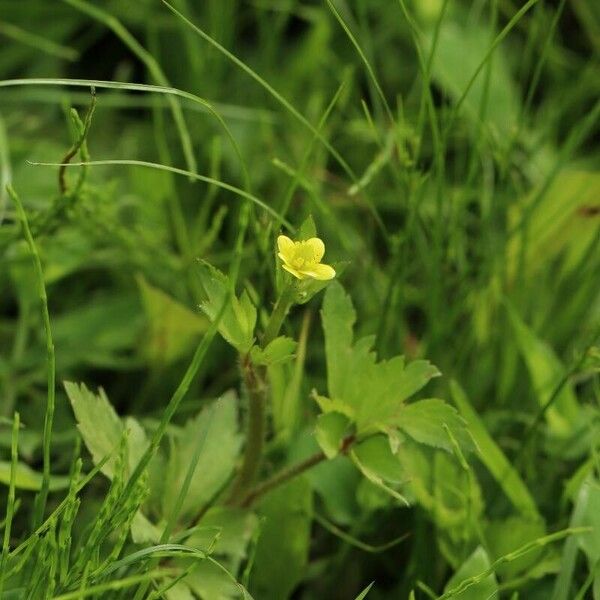
- 🌼 The Blooms: Features five waxy, bright yellow petals with a distinct glossy sheen, surrounding a central dome of green carpels that eventually turn into seeds.
- 🌿 The Foliage: The leaves are deeply divided into three distinct lobes, often appearing "toothed" or jagged, and are covered in fine, soft hairs.
- 🌱 The Stems: Unlike some of its smoother cousins, the stems of the Canton Buttercup are notably "pilose"—meaning they are covered in fine, spreading hairs that give the plant a slightly frosted look.
🏡 In Your Garden
- 💧 Moisture Lover: This plant is naturally drawn to "wet feet." In a garden setting, it thrives near ponds, streams, or in heavy clay soils that retain water longer than most plants can tolerate.
- 🏃 The Spreading Habit: It is an enthusiastic grower. Because it spreads through self-seeding and occasional runners, it can quickly colonize a garden bed, acting as a natural (though sometimes aggressive) groundcover in wilder landscapes.
⚠️ Safety & Toxicity
- 🚫 Toxic if Ingested: Like most members of the Ranunculus family, it contains protoanemonin, a bitter chemical that can cause mouth blistering, salivation, and severe digestive distress.
- 🐾 Pet & Livestock Warning: Keep away from curious dogs, cats, and horses. While grazing animals usually avoid it due to the acrid, burning taste, it remains a risk if it dominates a pasture.
- 🧤 Contact Irritant: Handling the plant can cause "buttercup dermatitis"—redness or blisters—in people with sensitive skin. It is best to wear gloves when weeding or transplanting.
✨ Fun Fact
The genus name Ranunculus translates from Latin to "little frog." This name was chosen because these plants are frequently found growing in the same damp, marshy areas where frogs prefer to live!

Detailed Care Instructions

Place in a bright room that is sun drenched almost all day. Or directly in a south-facing window.

Some plants require more regular watering than others, which should be done every few days. It's critical to maintain the soil moist all of the time. The water requirements of the same plant placed in pots with varying sizes will differ. Because the water in the smaller pot evaporates faster than the water in the larger pot, it will require more watering. Regardless of pot size, the surface should constantly be maintained moist.







