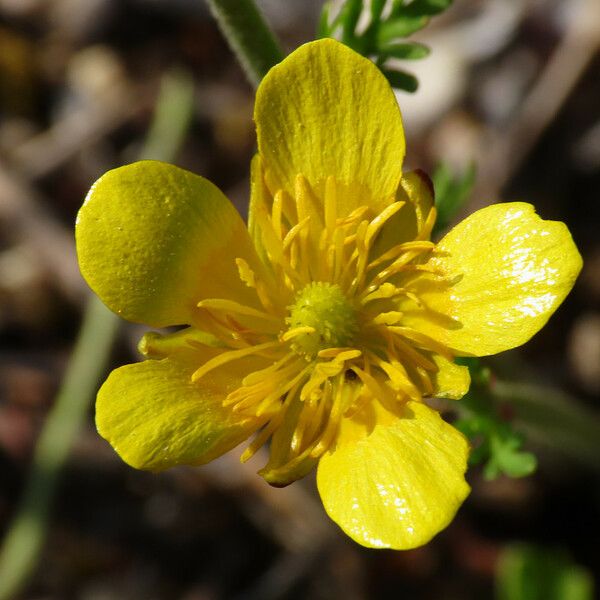
Plant Overview
Known as the Million-leaved Buttercup, this delicate wildling is a sun-soaked gem of the Mediterranean. Unlike its more common cousins that prefer damp, muddy meadows, this species is built for the rugged, well-drained hillsides of Southern Europe and North Africa. Its name is a nod to its incredibly fine, fern-like foliage that creates a soft, misty green carpet beneath its bright, waxy golden blooms.
🔍 How to Identify
- 🌿 The Foliage: The leaves are "multi-pinnate," meaning they are divided into many tiny, thread-like segments. This gives the plant a lacy, almost feathery appearance that distinguishes it from the broad leaves of other buttercups.
- 🌼 The Blooms: It features classic buttercup-yellow flowers with five petals that have a high-gloss, waxy finish designed to reflect sunlight.
- 🌱 Growth Habit: A low-growing perennial that typically reaches 10–30 cm in height. It grows from small, tuberous roots that look like tiny bunches of grapes underground.
🏡 In Your Garden
- ☀️ Mediterranean Rhythm: This plant is a "spring ephemeral" in many climates. It loves the wet winters and sunny springs of the Mediterranean. Once the summer heat hits, the plant will often go dormant and disappear underground to protect its tubers from drought.
- 🪨 Drainage is Key: Because it grows naturally on grassy slopes and rocky scrublands, it hates "wet feet." If planting in a garden, ensure the soil is gritty and well-drained. It is a perfect candidate for a rock garden or a wild "low-mow" meadow patch.
⚠️ Safety & Toxicity
- 🚫 Toxic if Ingested: Like almost all members of the Ranunculus family, the Million-leaved Buttercup contains protoanemonin. This is an acrid, bitter oil that serves as a natural defense against herbivores.
- 🐾 Pet & Skin Safety: If crushed or chewed, the plant can cause blistering in the mouth or digestive upset in pets and livestock. Some sensitive gardeners may experience mild skin irritation (dermatitis) when handling the sap, so gloves are recommended during pruning.
✨ Fun Fact
The high-gloss shine on the petals isn't just for looks—it's a piece of biological engineering! The petals act like tiny satellite dishes, reflecting light and heat onto the center of the flower. This "solar oven" effect warms up the pollen and nectar, making the flower an irresistible, warm pit stop for chilly spring bees.

Detailed Care Instructions
To grow Ranunculus Millefoliatus, also known as the thousand-leaf buttercup, you can follow these steps:
- Choose a suitable location: This plant prefers full sun to partial shade, so select a spot in your garden that receives ample sunlight. Ensure the soil is well-draining and rich in organic matter.
- Prepare the soil: Before planting, loosen the soil using a garden fork or tiller. Incorporate organic compost or well-rotted manure to improve the soil's fertility and drainage.
- Select healthy tubers: Ranunculus Millefoliatus grows from tubers, so choose healthy, plump ones without any signs of rot or damage.
- Plant the tubers: Dig holes that are 2-3 inches deep and 6-8 inches apart. Place the tubers in the holes with their concave sides facing down. Cover them with soil, gently firming it around the tubers.
- Water regularly: Keep the soil consistently moist but not waterlogged. Water the plant thoroughly after planting and continue to provide regular watering throughout the growing season.
- Mulch the soil: Apply a layer of organic mulch, such as straw or wood chips, around the base of the plant. Mulching helps retain moisture, suppress weed growth, and insulate the roots.
- Fertilize periodically: Every 4-6 weeks, apply a balanced, slow-release fertilizer or a liquid fertilizer formulated for flowering plants. Follow the instructions on the fertilizer package for application rates.
- Deadhead spent flowers: Remove faded or wilted flowers to encourage continuous blooming and prevent the plant from putting energy into seed production.
- Protect from extreme temperatures: Ranunculus Millefoliatus is sensitive to both heat and frost. Provide protection during extreme weather conditions, such as covering the plant with shade cloth or horticultural fleece during hot summers or protecting it from frost with row covers or other frost protection measures.
- Overwintering: In regions with cold winters, the plant may not survive outdoors. Dig up the tubers before the first frost, allow them to dry in a cool, dry location, and store them in a cool, dark place for the winter. Replant them in the spring after the danger of frost has passed.
By following these steps, you should be able to successfully grow Ranunculus Millefoliatus in your garden.
To properly water this plant, you should first ensure that the soil is dry to the touch before watering. Avoid overwatering or keeping the soil too moist, as this can cause root rot and other issues. When watering, slowly pour water onto the soil around the base of the plant and avoid getting water on the leaves and flowers. Allow any excess water to drain away before placing the plant back in its spot. If you are unsure when to water, it's better to wait a bit longer to avoid causing problems with the plant's health.
To fertilize this plant, select a balanced, slow-release fertilizer and apply it to the soil in early spring, incorporating it gently into the top 2-3 inches of soil. Avoid over-fertilization, as this can lead to excessive growth and weakened plants. Water thoroughly after fertilizing and repeat every 4-6 weeks during the growing season.
Ranunculus millefoliatus requires a well-draining and nutrient-rich soil to grow properly. The soil should have a pH of 6.0 to 7.5 and should contain organic matter. The best soil for this plant is a sandy loam or loamy sand that is not too heavy in texture. The soil should not be compact and should allow good air circulation around the roots. It is recommended to add compost or well-rotted manure to the soil to provide the necessary nutrients. The plant is sensitive to waterlogging, so the soil should be well-draining to prevent water from sitting around the roots. A mix of sand, perlite, and peat moss can also be added to the soil to improve drainage. The soil should be kept consistently moist for optimal plant growth, but not waterlogged.
To propagate this plant, first locate the healthy stem or stems that you want to propagate, and ensure that they have at least one leaf node. Cut the stem cleanly at a 45-degree angle, and remove any leaves or growth from the bottom two-thirds of the stem. Dip the cut end of the stem into rooting hormone, if desired. Then, plant the stem into a well-draining potting mix, burying the lower two-thirds of the stem and pressing the soil firmly around it. Keep the soil moist but not waterlogged, and place the pot in a bright but indirect light. After a few weeks, roots should begin to form and new growth may appear. Once the new plant has grown sizable roots, it can be transplanted to a larger container or planted outside in a suitable location.








