Plant Overview
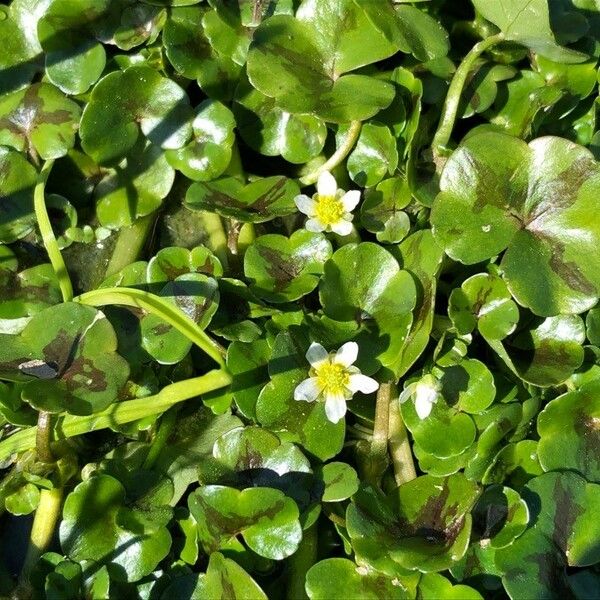
Often called the Round-leaved Crowfoot or Moorland Crowfoot, this dainty relative of the common buttercup is a master of the wetlands. Found trailing across the surface of acidic pools or creeping through damp, peaty mud, it adds a touch of brightness to soggy landscapes with its tiny, star-like blooms. It is a specialist of the "soft water" environments where many other plants struggle to survive.
🔍 How to Identify
- 🌸 The Flowers: Features five small, white petals that are spaced apart, surrounding a distinct yellow center. They look like miniature, pale buttercups.
- 🍃 Round Leaves: Unlike many water-dwelling plants that have feathery underwater foliage, this species has consistent, kidney-shaped leaves with shallow, scalloped lobes.
- 🌱 Trailing Stems: The plant grows in a creeping fashion, often forming a low-profile mat across mud or floating lazily on the surface of shallow water.
🏡 In Your Garden
- 💧 Wetland Specialist: This is not a plant for a standard flowerbed; it requires "wet feet" at all times. It is best suited for the shallow "shelf" of a pond or a dedicated bog garden.
- ⛰️ The Acid Test: It thrives in nutrient-poor, acidic conditions. If your garden soil is naturally peaty or your pond water is soft, this plant will feel right at home where others might wither.
- 🌿 Low Maintenance: Once established in the right muddy niche, it requires very little attention, though it may need thinning if it begins to carpet your entire pond margin.
⚠️ Safety & Toxicity
- 🚫 Toxic if Ingested: Like all members of the Ranunculus family, the Round-leaved Crowfoot contains protoanemonin, a bitter toxin.
- 🧤 Skin Irritant: Handling the plant can cause skin redness or blistering in sensitive individuals. It is best to wear gloves when maintaining your pond or handling the stems.
- 🐾 Animal Safety: It is toxic to livestock, dogs, and cats if eaten in large quantities, though its bitter taste usually acts as a natural deterrent.
✨ Fun Fact
- 🧬 Consistent Character: Its species name, omiophyllus, is derived from Greek words meaning "similar leaves." This refers to the fact that this plant is unusual among water crowfoots because it doesn't change its leaf shape based on whether they are growing above or below the water!

Detailed Care Instructions
Here are some steps you can follow to successfully grow Ranunculus Omiophyllus plant:
- Choose the right location: Ranunculus Omiophyllus plants prefer a location with full sun or partial shade. It is best to select a spot that receives at least 4-6 hours of direct sunlight each day.
- Soil preparation: The plant prefers well-draining soil. Amend the soil with organic matter, such as compost, to improve drainage and fertility.
- Planting: Plant the Ranunculus Omiophyllus bulbs in the spring or fall, when the soil is cool. Dig holes about 1-2 inches deep and space the bulbs 4-6 inches apart. Place the bulbs with the pointy end facing upwards.
- Watering: Keep the soil consistently moist, especially during the growing season. Avoid overwatering, as it can lead to root rot. Water deeply when needed, and allow the soil to dry slightly between waterings.
- Fertilization: Apply a balanced, slow-release fertilizer at the beginning of the growing season. Alternatively, you can use a liquid fertilizer diluted according to package instructions once a month during the growing season.
- Mulching: Apply a layer of mulch around the plants to help conserve moisture, suppress weed growth, and maintain a cool soil temperature.
- Deadheading and pruning: Remove faded or dead flowers regularly to encourage blooming. Pruning is not necessary unless the plant becomes overgrown or overcrowded.
- Winter care: In areas with cold winters, provide a layer of mulch over the bulbs to protect them from freezing temperatures. Ranunculus Omiophyllus is hardy to USDA zones 8-10 but may need additional protection in colder regions.
- Pests and diseases: Keep an eye out for common pests like aphids or slugs, and treat as necessary. Proper air circulation and spacing can help prevent diseases such as powdery mildew.
- Propagation: Ranunculus Omiophyllus plants can be propagated by division. Lift the bulbs in fall, separate them into smaller segments, and replant them in suitable locations.
By following these steps, you can nurture and grow beautiful Ranunculus Omiophyllus plants in your garden.
To water the plant belonging to the species Ranunculus Omiophyllus, follow these guidelines:
- Assess the soil moisture: Before watering, check the moisture level of the soil. Insert your finger about 1-2 inches into the soil near the plant's base. If the soil feels dry at this depth, it's time to water.
- Watering container-grown plants: When growing Ranunculus Omiophyllus in a container, water until you see it flowing out of the drainage holes. This will ensure thorough watering and prevent waterlogged soil.
- Watering outdoor plants: For plants grown directly in the ground, use a garden hose or watering can to irrigate the area around the base of the plant. Avoid wetting the foliage excessively, as this may lead to disease development.
- Frequency of watering: Ranunculus Omiophyllus typically prefers evenly moist soil. Water the plant when the top few inches of soil feel dry to the touch. However, ensure the soil doesn't become waterlogged, as excessive moisture can cause root rot.
- Watering in different seasons: Adjust the watering frequency according to the plant's needs during different seasons. In warm and dry weather, the plant may require more frequent watering, while in cool or rainy periods, watering can be reduced.
- Mulching: Consider adding a layer of organic mulch around the base of the plant to help retain soil moisture. This can also regulate temperature fluctuations and suppress weed growth.
- Monitoring plant response: Observe the plant's overall health and appearance regularly. If you notice the leaves drooping or becoming discolored, it could indicate inadequate or excessive watering. Adjust the watering schedule accordingly.
Remember, while information about the plant's specific water requirements can help, it's always beneficial to monitor the plant's needs and adjust waterings based on the individual conditions it is growing in.
To fertilize Ranunculus omiophyllus, follow these instructions:
- Choose a well-balanced fertilizer with equal proportions of nitrogen (N), phosphorus (P), and potassium (K). Look for a slow-release or granular fertilizer to provide continuous nourishment.
- Dilute the fertilizer according to the package instructions, typically mixing it with water in the recommended ratio.
- Apply the diluted fertilizer to the soil around the base of the Ranunculus omiophyllus plant. Avoid directly applying it to the leaves or flowers.
- Repeat the fertilization process every four to six weeks during the growing season. Avoid over-fertilization, as it can lead to excessive foliage growth instead of flowers.
- Water the plant immediately after fertilizing to ensure the nutrients penetrate the soil and reach the plant's roots.
Remember to always read and follow the specific instructions provided on the fertilizer packaging for the best results.
Ranunculus Omiophyllus is a plant that thrives in various soil types, as long as the soil is well-drained and fertile. When selecting soil for this plant, it is essential to consider its moisture retention capacity and nutrient content. The soil should typically have a balanced texture, meaning it is neither excessively sandy nor heavily clayey.
Sandy soil can provide proper drainage and prevent waterlogging, allowing the roots to breathe. However, it generally lacks essential nutrients and has low water retention capabilities. On the other hand, clayey soil retains water well but may become compacted, leading to poor drainage.
To create an ideal soil composition for Ranunculus Omiophyllus, it is recommended to mix in organic matter such as compost or well-rotted manure. This improves the soil's structure, nutrient content, and water-holding capacity. Organic matter also helps prevent soil compaction and promotes beneficial microbial activity.
Additionally, it is advisable to amend the soil with a balanced slow-release fertilizer prior to planting. This will ensure that the plant receives adequate nutrients throughout its growth cycle. However, it is critical to follow the recommended dosage to avoid over-fertilization, which can harm the plant.
Regularly monitoring the soil moisture level is important for the proper growth and development of Ranunculus Omiophyllus. The soil should be kept consistently moist, but not waterlogged, during the active growing period. It is crucial to strike a balance between allowing the soil to dry out slightly between waterings and ensuring it does not become bone dry.
In summary, when selecting soil for Ranunculus Omiophyllus, prioritize a well-drained and fertile medium. Incorporate organic matter to enhance the soil's structure, nutrient content, and water retention capacity. Regularly monitor the soil moisture levels and provide adequate water to promote healthy growth.
Propagation of Ranunculus omiophyllus can be done through various methods such as division, root cuttings, or seed sowing.
- Division: This method is typically done in the spring when the plant is actively growing. Carefully dig up the plant and gently separate the clumps into smaller sections, ensuring each section has several healthy shoots and a portion of the root system intact. Plant the divisions in well-prepared soil and water thoroughly.
- Root cuttings: Select healthy, mature roots from the plant, making sure they are free from any diseases or damage. Cut the roots into sections about 2-3 inches long, ensuring each section has at least one bud or shoot. Plant the root cuttings horizontally in a well-draining potting mix, burying them about 1 inch deep. Keep the soil moist and place the container in a warm location with indirect light. New shoots should emerge from the cuttings, indicating successful propagation.
- Seed sowing: Collect ripe seeds from the plant by allowing the seed pods to dry on the plant. Remove the seeds from the pods and store them in a cool, dry place until ready to sow. Prepare a seed tray or small pots with a well-draining seed-starting mix. Sow the seeds evenly on the surface of the soil, lightly pressing them down without burying them. Mist the soil lightly with water and cover the tray or pots with a plastic dome or plastic wrap to create a humid environment. Place the tray or pots in a warm, bright location, but avoid direct sunlight. It typically takes 2-3 weeks for the seeds to germinate. Once the seedlings have grown to a reasonable size, they can be transplanted into individual pots or into the garden.
Remember to provide the propagated plants with appropriate care, including regular watering, adequate sunlight, and fertilization as needed, to ensure healthy growth and establishment.








