Plant Overview
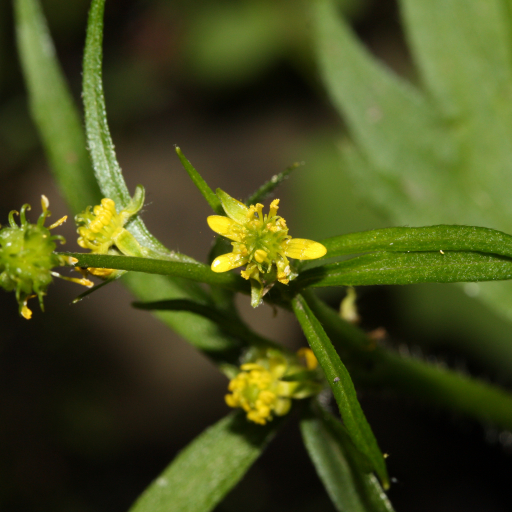
Known affectionately as the Little Buttercup or Hooked Crowfoot, Ranunculus uncinatus is the shy, woodland cousin of the flamboyant garden buttercup. While its cousins flaunt large, waxy yellow petals, this native North American wildflower prefers a minimalist aesthetic, tucking itself away in the damp, shaded corners of forests. It gets its specific name, uncinatus, from the tiny, hooked beaks on its seeds that act like Velcro to hitch a ride on passing animals.
🔍 How to Identify
- 🌼 The Flowers: Unlike the "classic" buttercup, these flowers are tiny (only about 3–6mm wide). They feature five pale yellow petals that often look slightly tucked away or underdeveloped.
- 🍃 The Foliage: The leaves are deeply divided into three distinct lobes with "toothed" edges. They are typically covered in soft, fine hairs, giving the plant a slightly fuzzy texture.
- 🪝 The Seed Pods: The most defining feature is the cluster of seeds (achenes). Each seed has a distinctive, curved "hook" at the tip, which is a key way to distinguish it from similar-looking buttercups.
🏡 In Your Garden
- 💧 Moisture Seekers: In a garden setting, this plant is an excellent indicator of soil health and moisture. It thrives in "low spots" where water tends to collect or in the dappled shade beneath large deciduous trees.
- 🌱 Wildflower Logic: It is not a typical "border plant" because it lacks showy blooms. Instead, it is best used in naturalized woodland gardens or native restoration projects where it can provide ground cover without being invasive.
- 🦋 Ecosystem Role: While it might seem humble to us, it provides an early-season nectar source for small native bees and flies that navigate the forest floor.
⚠️ Safety & Toxicity
- 🚫 Toxic Status: High. Like almost all members of the Ranunculus family, the Little Buttercup contains a compound called ranunculin.
- 🤢 The Details: When the plant is crushed or chewed, ranunculin turns into protoanemonin, an acrid oil. It can cause blistering on the skin and severe mouth and digestive irritation if ingested. Keep it away from curious pets and remind children not to pick the "little yellow flowers."
✨ Fun Fact
The genus name Ranunculus translates from Latin to "Little Frog." This is because many species in this family, including the Little Buttercup, are frequently found growing in damp areas where frogs like to hang out!

Detailed Care Instructions
To grow Ranunculus Uncinatus, also known as Hooked Crowfoot, follow these steps:
- Choose the right location: Select a spot that receives full sun to partial shade. The plant prefers moist, well-drained soil.
- Prepare the soil: Before planting, loosen the soil in the planting area. Remove any weeds and rocks, then add organic matter like compost to improve soil fertility and drainage.
- Plant the tubers: Ranunculus Uncinatus is typically grown from tubers instead of seeds. Plant the tubers 2-3 inches deep in the soil, spacing them about 4-6 inches apart. Make sure to place them with the curved side facing up.
- Watering: Water the newly planted tubers thoroughly to ensure good moisture penetration. After that, water regularly to keep the soil evenly moist but not waterlogged. Avoid overwatering or allowing the soil to dry out completely.
- Fertilization: Apply a balanced fertilizer or compost in the spring before flowering and once again after blooming to promote healthy growth.
- Mulching: Apply a layer of organic mulch around the plants to help retain moisture, suppress weeds, and protect the tubers from extreme temperatures. Avoid covering the growing points of the plants.
- Support: As the plant grows, provide support such as stakes or trellises to prevent them from falling or sprawling.
- Pruning: Deadhead the faded flowers regularly to encourage continuous blooming and prevent the plant from wasting energy on seed production.
- Overwintering: In colder climates, Ranunculus Uncinatus is not winter hardy. Dig up the tubers before the first frost, allow them to dry, and store them in a cool, dry place until the next growing season.
- Pests and diseases: Monitor the plants for any signs of pests or diseases, such as aphids or powdery mildew. Use appropriate measures, including organic insecticides or fungicides, if necessary.
By following these steps and providing the right care, you can successfully grow Ranunculus Uncinatus plants and enjoy their beautiful flowers.

Place in a bright room that is sun drenched almost all day. Or directly in a south-facing window.

To water this particular plant, you should make sure to only give it enough water to keep the soil slightly moist. The plant prefers a well-draining soil, so be careful not to water too much or too frequently as this may cause root rot. It is recommended to water deeply but less often, allowing the topsoil to dry out slightly before each watering. Additionally, it is important to avoid getting water on the leaves or buds, as this can cause damage or disease.
To promote healthy growth and development of this type of plant, it is recommended to provide it with a balanced fertilizer containing an equal ratio of nitrogen, phosphorus, and potassium. Apply the fertilizer at a rate of 1/2 to 1 tablespoon per square foot of soil around the plant, being careful not to apply it directly onto the leaves or stems. Water the plant thoroughly after fertilizing to help distribute the nutrients throughout the soil. Repeat this process every four to six weeks during the growing season.
The soil that is suitable for the plant species mentioned is a well-draining sandy or loamy soil that is rich in organic matter. It should also have a neutral to slightly acidic pH level. It is recommended to avoid heavy clay soils or soils that are too compact as they can lead to poor drainage and root rot. The soil should be moist but not waterlogged, and the plant should be placed in a spot that receives full sun to partial shade. Adding a layer of mulch around the plant can help to retain moisture and regulate soil temperature.
In order to propagate this plant, you will need to choose a healthy and mature specimen for the process. From this plant, locate a stem with a few healthy leaves, and gently clip it off with a sterilized pair of pruning shears. Remove the lower leaves from the cutting, leaving only a few sets of leaves at the top. Dip the cut end in rooting hormone to encourage root growth, and plant it in a pot filled with a well-draining soil mix. Water the cutting lightly and cover the pot with a clear plastic bag to create a humid environment. Keep the soil moist but not soggy, and place the pot in a bright but indirect light source. In a few weeks' time, check for root growth by gently tugging on the stem. If you feel resistance, the plant has rooted and can be gradually exposed to more light and less humidity. Once the plant has established roots, it can be fertilized and cared for like any other mature plant.








