Plant Overview
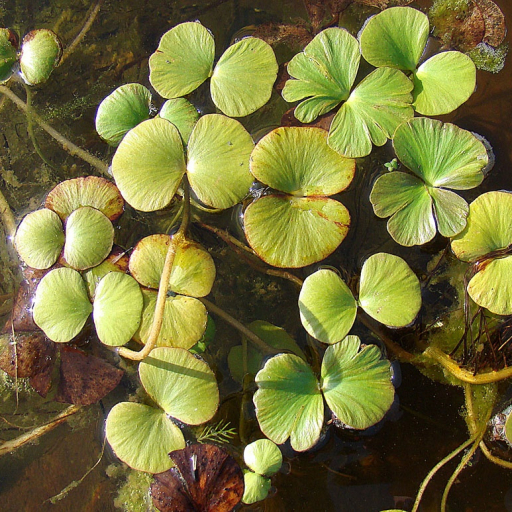
Often called the Two-leaved Water Clover or the Butterfly Fern, this charming aquatic plant is a true botanical loner. It is the only species within its entire genus, making it a "monotypic" wonder from the wetlands of Southern Brazil and Argentina. While it looks like a lucky clover that lost two of its leaves, it is actually a primitive fern that has traded the forest floor for a life in the water.
🔍 How to Identify
- 🍃 The Twin Leaves: Unlike the common four-leaf water clover, this species features exactly two kidney-shaped leaflets that sit side-by-side like the wings of a butterfly.
- 🧬 Creeping Runners: It spreads via a thin, light-green rhizome (underground stem) that anchors itself into the mud, sending up long, slender stalks toward the surface.
- 🌰 Hidden "Seeds": Because it is a fern, it never flowers. Instead, it produces small, woody, nut-like cases called sporocarps at the base of the leaf stalks which contain its spores.
🏡 In Your Garden
- 💧 The Marginal Zone: This plant thrives best in the "shallow end." It loves being submerged in just a few inches of water or planted in saturated, muddy soil at the edge of a pond where its leaves can float gracefully.
- 🌤️ Light & Movement: While it enjoys bright light to keep its stems sturdy, it prefers still water. In heavy currents, those delicate "butterfly" leaves can get battered, so tuck it away in a calm corner of your water feature.
⚠️ Safety & Toxicity
- ✅ Safe Status: Regnellidium diphyllum is considered non-toxic to humans, cats, and dogs. It is a popular choice for goldfish ponds and outdoor water gardens.
- 🐎 Livestock Note: Like many ferns, it contains thiaminase, an enzyme that can interfere with Vitamin B1 absorption if eaten in massive quantities. This is rarely a concern for casual hobbyists but worth noting if you have grazing animals near your pond.
✨ Fun Fact
This plant is a "living fossil" that hasn't changed much in millions of years. It exhibits nyctinasty, meaning its two leaflets fold together vertically at night as if they are "sleeping," only to reopen and bask when the sun rises!

Detailed Care Instructions
The best way to water this plant is to mist it regularly with a spray bottle to keep the soil moist at all times. The soil should not be allowed to become completely dry, but it should also not be overwatered. It is important to use distilled or filtered water, as this plant is sensitive to minerals and chemicals in tap water. Ensure that the plant is not exposed to direct sunlight, as this can cause the leaves to burn. The ideal temperature range for this plant is between 60-80 degrees Fahrenheit, and high humidity levels are essential for its survival.
When planting this particular plant, it is important to use a well-draining soil mix that has a slightly acidic pH level. It should be rich in organic matter and have a good balance of nutrients to support healthy growth. It is recommended to avoid using heavy soils that may retain too much water and lead to root rot. A soil mix consisting of peat moss, perlite, and sand is often recommended for this plant. Additionally, it is important to place the plant in a location with indirect sunlight and to maintain consistent levels of moisture without overwatering.








