Plant Overview
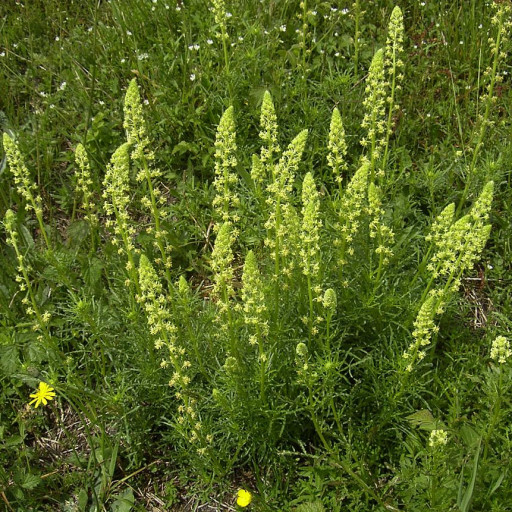
Commonly known as Wild Mignonette, this resilient wildflower is a staple of sunny meadows and chalky hillsides across Europe and North Africa. While it lacks the intense, sweet fragrance of its famous garden-cultivated cousin, it offers a subtle, rustic charm with its architectural spikes. Often appearing in disturbed soil, it is a pioneer plant that brings life and color to neglected patches of land.
🔍 How to Identify
- 🌼 The Flowers: Small, star-shaped blossoms are clustered in long, upright spikes. They feature a distinct pale, sulfur-yellow to greenish-tinted hue.
- 🌿 The Foliage: The leaves are deeply lobed and divided into narrow, wavy segments, giving the base of the plant a ruffled, feathery appearance.
- 📏 Growth Form: It typically grows in a bushy, sprawling mound before sending up multiple flowering stems that can reach heights of up to 80cm.
🏡 In Your Garden
- 🏗️ The Limestone Lover: This plant is a "calcicole," meaning it thrives in alkaline, chalky, or limestone-heavy soils where many other garden plants might struggle.
- 🌱 The Taproot Factor: Wild Mignonette develops a deep, sturdy taproot. This makes it incredibly drought-tolerant once established, but it also means it hates being moved—always sow seeds directly where you want them to grow.
- 🦋 Pollinator Cafe: It is an exceptional nectar source for bees and small butterflies, making it a "must-have" for anyone looking to support local biodiversity in a wilder corner of the garden.
⚠️ Safety & Toxicity
- 🟢 General Status: Wild Mignonette is considered non-toxic to humans and is generally safe to have around the home and garden.
- 🐕 Pet Context: It is not known to be poisonous to cats or dogs; however, as with any non-culinary plant, it is best to discourage pets from grazing on it to avoid potential mild stomach upset.
✨ Fun Fact
🎨 Ancient Pigments: While its sister species (Reseda luteola) was the primary source of "Weld," the oldest yellow dye in the world, Reseda lutea was also used by ancient cultures to produce soft, earthy yellow pigments for textiles long before synthetic colors were invented.

Detailed Care Instructions
To grow Reseda Lutea, also known as yellow mignonette or weld, follow these steps:
- Choose the right location: Reseda Lutea prefers full sun to partial shade, so find a spot in your garden that receives at least 6 hours of direct sunlight per day. The soil should be well-draining and moderately fertile.
- Prepare the soil: Before planting, prepare the soil by removing any weeds and loosening it with a garden fork or tiller. Mix in organic matter such as compost or well-rotted manure to improve soil fertility and moisture retention.
- Sow the seeds: Reseda Lutea can be grown from seeds. Sow the seeds directly into the prepared soil in early spring or late summer. Scatter the seeds evenly on the soil surface and lightly press them into the soil, but do not cover them as they require light to germinate. Space the seeds about 6-8 inches apart.
- Watering: Keep the soil evenly moist but not waterlogged until the seeds germinate. After germination, water the plants regularly to keep the soil slightly moist. Avoid overwatering, as it can cause root rot.
- Mulching: Apply a layer of organic mulch such as straw or wood chips around the base of the plants. Mulch helps retain soil moisture, suppress weeds, and regulate soil temperature.
- Fertilizing: Reseda Lutea does not typically require heavy fertilization. However, you can apply a balanced, slow-release fertilizer once every spring to provide essential nutrients.
- Maintenance: Remove any weeds that compete with the Reseda Lutea plants for nutrients and space. Pinch back the growing tips of the plants occasionally to encourage bushier growth. Deadhead spent flowers to promote continuous blooming.
- Propagation: If you desire more Reseda Lutea plants, you can collect seeds from mature plants and sow them in early spring or late summer. Additionally, you can propagate Reseda Lutea through stem cuttings by taking 4-6 inch cuttings from healthy plants, removing the lower leaves, and placing the cuttings in moist soil or water until they root.
With proper care and maintenance, Reseda Lutea should grow well and reward you with its beautiful yellow flowers.

Place in a bright room that is sun drenched almost all day. Or directly in a south-facing window.

The Reseda Lutea plant requires watering on a regular basis to thrive and remain healthy. One way to determine when to water this plant is by checking the soil moisture level. The soil should be moist, but not too wet or dry. It is important not to overwater this plant, as it can lead to root rot and other plant diseases. Additionally, the Reseda Lutea plant should be watered at the base of the plant, rather than from above, as this can also cause issues with moisture levels and plant health. When watering, it is best to use warm, room temperature water, and to avoid getting water on the leaves or flowers of the plant. Overall, consistent and careful watering practices are key to maintaining a healthy and vibrant Reseda Lutea plant.
To fertilize the Reseda Lutea plant, apply a balanced fertilizer with an NPK ratio of 10-10-10 every two to three weeks during the growing season. Mix the fertilizer with water according to the package instructions, and apply it to the soil around the base of the plant. Be careful not to get the fertilizer on the leaves or stems, as it can burn the plant. Water the plant immediately after fertilizing to help the nutrients absorb into the soil.
Reseda Lutea plant prefers a well-draining soil that is slightly alkaline with a pH between 6.5 and 7.5. It thrives in nutrient-rich soil that is rich in organic matter and has good water retention. The soil should be moist but not waterlogged, as excess water can lead to root rot. It is recommended to mix in a slow-release fertilizer rich in phosphorus and potassium to promote healthy growth and blooming. When planting Reseda Lutea, make sure the soil is worked up and loose so the roots can easily spread out and grow.
Reseda lutea can be propagated by collecting mature seeds from the plant after they have ripened. The seeds can be sown directly in the soil or in containers filled with well-draining soil mix. The soil should be kept moist but not waterlogged and placed in a sunny location. Upon germination, the seedlings should be thinned out and transplanted into larger containers or in the garden.
Another way to propagate Reseda lutea is through stem cuttings. Select healthy stems from the plant and cut them just below a node, where new growth will emerge. Remove any leaves from the bottom half of the stem and dip the cut end into rooting hormone powder. Plant the stem in a pot filled with well-draining potting mix and water thoroughly. Keep the soil moist and place the pot in a bright, indirect light. The cuttings should root within a few weeks and can be transplanted into individual pots or in the garden.








