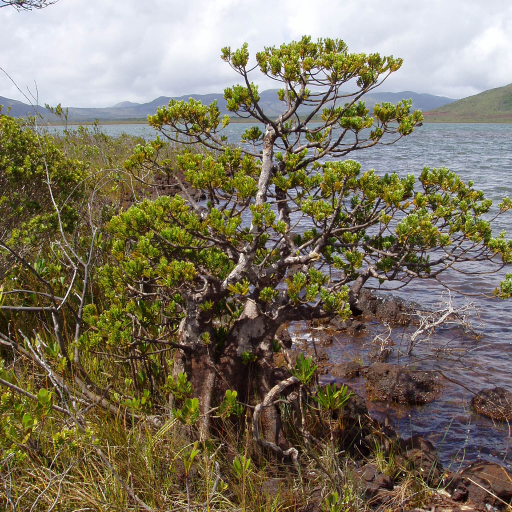
Plant Overview
Known as the Dwarf Retrophyllum or Bog Podocarp, this botanical relic is a rare treasure found only on the island of New Caledonia. It looks like a miniature survivor from the age of dinosaurs, thriving in iron-rich, boggy soils where few other plants can survive. Its slow-growing, sculptural form and fern-like needles make it a highly sought-after specimen for collectors of rare conifers and "living fossils."
🔍 How to Identify
- 🌿 Flattened Foliage: The needles are arranged in two distinct rows on the stems, creating a flat, fern-like appearance that is surprisingly soft to the touch compared to other conifers.
- 🪵 Sculptural Trunk: Even young specimens develop a thickened, gnarled base with reddish-brown bark that peels away in thin, attractive strips, giving it a natural "bonsai" look.
- 💧 Compact Stature: Unlike its towering relatives in the rainforest, this species is a specialist that usually stays under 2–3 meters, often adopting a sprawling, shrub-like habit.
🏡 In Your Garden
- 🌊 Rheophytic Nature: In the wild, this plant is "rheophytic," meaning it grows along riverbanks and in marshes. It loves "wet feet" and constant moisture; if the soil dries out completely, the plant may drop its needles or fail to recover.
- 🧪 Soil Nuances: It is naturally adapted to ultramafic soils (rich in metals like iron and magnesium). While it can adapt to standard potting mixes, it performs best in acidic, well-draining substrates that mimic its volcanic island home.
- ☁️ Humidity Needs: Because it originates from a tropical island, it craves high humidity. If grown indoors, it will thrive near a humidifier or in a large terrarium while it is small.
⚠️ Safety & Toxicity
- ✅ Generally Safe: There are no known reports of significant toxicity for Retrophyllum minus. It is considered a safe choice for household gardens.
- 🐾 Pet & Child Safety: While not toxic, the needles are fibrous and tough. If a pet or child decides to chew on the foliage, it could cause minor mouth irritation or digestive upset simply due to the physical texture of the plant.
✨ Fun Fact
This plant is a true "island endemic" with an extremely restricted range. Because it only grows in a few specific locations in New Caledonia, it is currently classified as an Endangered species. Growing one is like keeping a tiny, prehistoric piece of history alive!

Detailed Care Instructions
To grow Retrophyllum Minus plants, follow these steps:
- Start with a healthy plant specimen: Obtain a healthy Retrophyllum Minus plant from a reputable nursery or plant supplier.
- Choose the right pot and soil: Select a pot that has good drainage to prevent waterlogging. Use a well-draining potting mix, rich in organic matter.
- Provide the right lighting conditions: Retrophyllum Minus plants thrive in bright, indirect light. Place the plant near a north-facing or east-facing window to provide optimal lighting.
- Maintain the appropriate temperature and humidity: Keep the plant in a warm environment with temperatures ranging from 60-75°F (15-24°C). Provide sufficient humidity by misting the plant regularly or placing a humidifier nearby.
- Water the plant correctly: Water the Retrophyllum Minus plant thoroughly when the top inch of soil becomes dry. Ensure that excess water drains out and avoid overwatering, as it can cause root rot.
- Fertilize regularly: Use a balanced, slow-release fertilizer specifically formulated for indoor plants. Follow the instructions on the fertilizer package, typically applying it every 3-4 months.
- Prune if necessary: Prune the plant to control its size or remove any dead or damaged foliage. Pruning also helps maintain a desirable shape.
- Watch for pests and diseases: Inspect the plant regularly for any signs of pests, such as aphids or spider mites. If detected, treat the affected areas with organic pest control methods or seek guidance from a horticulturist.
- Repot when needed: As the Retrophyllum Minus plant outgrows its pot, repot it into a larger container to provide more space for root growth. This is typically done every 1-2 years.
- Keep away from drafts: Avoid placing the plant in areas with cold drafts or direct exposure to air conditioning or heating vents. These conditions can cause stress and leaf damage.
By following these steps and providing proper care, you can successfully grow Retrophyllum Minus plants indoors.
To water this plant, it is important to first check the moisture level of the soil by sticking your finger about an inch into the soil. If it feels dry, it is time to water. Slowly pour water onto the soil around the base of the plant until it begins to drain out of the bottom of the pot. It is important to avoid getting water on the leaves as this can lead to fungal diseases. Watering should be done when the top inch of soil feels dry and the plant should be allowed to dry out slightly between waterings. It is also important to avoid overwatering as this can lead to root rot and other issues.
To fertilize this plant, use a balanced, slow-release fertilizer in the spring. Apply the fertilizer according to the package instructions, taking care not to over-fertilize or burn the plant's roots. Water the plant well after fertilizing and avoid fertilizing in the hotter months of summer and fall when the plant is in its dormant phase. Consider adding organic matter to the soil to improve its overall health and fertility.
Retrophyllum minus is a plant species that requires well-draining soil with good aeration. The soil should have a pH range of 5.5 to 6.5 and be rich in organic matter. A mixture of sand, perlite, and peat moss can be an ideal soil blend for Retrophyllum minus. The soil must be kept consistently moist but not waterlogged, and it should be allowed to dry out partially between waterings. The plant should be fertilized with balanced fertilizer during the growing season. It is critical to avoid over-fertilizing, as it may cause damage to the plant. While planting, the roots should be handled carefully, and it is necessary to ensure that the plant is not planted too deep or too shallow.
To propagate this species of plant, it is best to take stem cuttings from a mature plant. Select a healthy stem with several leaves and remove the lower leaves, leaving only a few at the top. Dip the cut end of the stem into rooting hormone powder to encourage root growth. Plant the cutting in a pot filled with a mixture of well-draining soil and perlite, keeping the soil moist and in a warm, bright location. After several weeks, roots should begin to grow and the cutting can be transplanted into a larger pot or outdoors in a suitable location.








