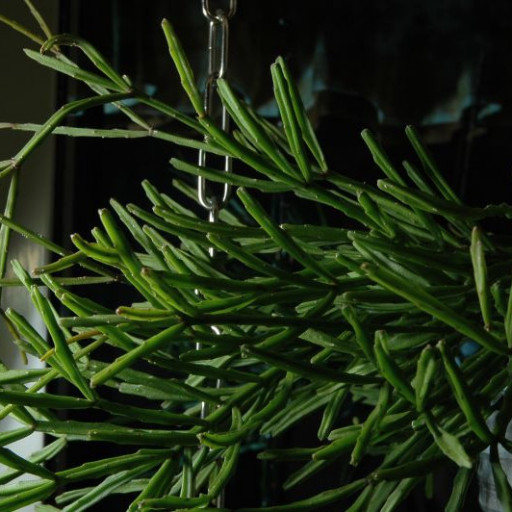
Plant Overview
Often called the Tiny-flowered Mistletoe Cactus, Rhipsalis micrantha is a charming "cactus in disguise" that swaps desert dunes for the humid cloud forests of Central and South America. Instead of sharp spines, it features a waterfall of delicate, pendulous stems that look like modern living art. In its native habitat, it lives high in the canopy, tucked into the nooks of ancient trees.
🔍 How to Identify
- 🌿 The Stems: Look for thin, lime-green segments that are often three-to-six-angled or flattened. Unlike desert cacti, these are smooth to the touch and hang gracefully downward.
- 🌸 The Flowers: Living up to its name (micrantha means "small flower"), it produces tiny, creamy-white, bell-shaped blossoms that emerge directly from the edges of the stems.
- 🍒 The Berries: After flowering, it develops translucent white or pinkish berries that resemble mistletoe, giving the plant an ethereal, frosted appearance.
🏡 In Your Garden
- ☁️ Jungle Origins: Because this is an epiphyte, it hates being treated like a traditional cactus. It craves high humidity and bright, filtered light—direct afternoon sun will scorch its delicate segments and turn them yellow.
- 🪴 The "Dangling" Habit: This plant is at its best in a hanging basket where its stems can trail several feet. It prefers a chunky, well-draining mix (like orchid bark or peat) rather than heavy potting soil, as its roots need to breathe just as much as they need to drink.
⚠️ Safety & Toxicity
- ✅ Status: Generally Non-Toxic.
- 🐾 Details: Rhipsalis micrantha is considered safe for cats, dogs, and horses. While it won't cause serious poisoning if nibbled, it's still best to keep it out of reach to prevent your pet from pulling down the heavy, trailing vines or getting a mild tummy ache.
✨ Fun Fact
Unlike almost every other genus of cactus, which are strictly native to the Americas, some species of Rhipsalis are found naturally in Africa and Sri Lanka. Scientists believe they may have "hitchhiked" across the ocean as seeds inside the bellies of migratory birds!

Detailed Care Instructions
To grow Rhipsalis Micrantha, also known as the Mistletoe Cactus or Jungle Cactus, you can follow these steps:
- Choose the right location: Rhipsalis Micrantha prefers bright, indirect light. It thrives in semi-shaded areas or near east or west-facing windows. Avoid placing it in direct sunlight as it can scorch the leaves.
- Provide the right temperature: This cactus prefers temperatures between 60-80°F (15-27°C). Avoid exposing it to extreme cold or hot temperatures.
- Watering: Rhipsalis Micrantha requires regular watering but ensure you do not overwater it. Allow the top inch of soil to dry out between waterings. Test the moisture level by sticking your finger into the soil. If it feels dry, it's time to water. During winter, reduce the watering frequency.
- Humidity: Rhipsalis Micrantha prefers higher humidity levels. You can increase humidity by placing a tray of water near the plant or misting it with water. Cluster it with other houseplants to create a microclimate.
- Soil: Use a well-draining potting mix specifically formulated for cacti or succulents. A mix of peat moss, perlite, and sand is suitable. Ensure the pot has drainage holes to prevent waterlogging.
- Fertilization: Feed Rhipsalis Micrantha with a diluted, balanced houseplant fertilizer during the growing season (spring to summer). Follow the instructions on the fertilizer packaging for dosage and frequency.
- Repotting: When the plant outgrows its current pot, repot it into a slightly larger container. Repotting is typically done every 1-2 years in the spring. Use fresh potting soil and ensure the new container has drainage holes.
- Pruning: Prune Rhipsalis Micrantha to shape it, remove dead or damaged parts, or to stimulate new growth. Use clean, sharp pruning shears and make clean cuts.
- Propagation: Rhipsalis Micrantha can be propagated through stem cuttings. Take a cutting from a healthy plant, let it callous for a few days, then plant it in a well-draining soil mix. Keep the soil moist until roots develop.
- Pest and disease control: Monitor your plant for pests like mealybugs or spider mites. Treat infestations with appropriate insecticides or natural remedies like neem oil. Ensure good air circulation to prevent fungal diseases.
By following these guidelines, you should be able to successfully grow Rhipsalis Micrantha. Remember, different environmental conditions and care routines might be required based on the specific conditions in your location.

Place in a bright room that is sun drenched almost all day. Or directly in a south-facing window.

Rhipsalis Micrantha is a type of indoor plant that needs to be watered properly to thrive. To water this plant, you should follow these steps:
1. Check the soil: Before watering, check the soil to ensure that it is dry to a depth of at least 1 inch.
2. Choose the right watering method: You can water this plant by pouring water over the soil or by immersion. When watering by immersion, fill a container with water and place the plant pot in it for a few minutes until the soil is saturated.
3. Use room temperature water: Use room temperature water when watering Rhipsalis Micrantha to avoid shocking the plant.
4. Avoid overwatering: This plant is susceptible to root rot. So, make sure to avoid overwatering or letting the soil become waterlogged.
5. Allow the soil to drain: After watering, allow the soil to drain completely to avoid waterlogging.
6. Water less in winter: In winter, when the plant is dormant, reduce watering as the plant needs less water.
By following these steps, Rhipsalis Micrantha can grow well and remain healthy.
To fertilize the plant, use a balanced water-soluble fertilizer every two weeks during the growing season (spring and summer). Dilute the fertilizer to half strength to avoid burning the roots. During the dormant season (fall and winter), reduce fertilization to once a month or stop completely. Be sure to only fertilize when the soil is moist, and do not apply fertilizer to dry soil.
The ideal soil for Rhipsalis Micrantha should be well-draining and rich in organic matter. It should also have a slightly acidic pH level between 5.5 and 6.5. The soil should consist of a mixture of peat moss or coco coir, perlite, and sand to provide good aeration and prevent waterlogging. Maintaining proper soil moisture levels is crucial for the plant's growth and health. It is recommended to use a high-quality potting mix specified for succulents and cacti to ensure optimal results.
To propagate this plant, start by selecting a healthy stem cutting that is at least 4 inches long and has no signs of damage or disease. Use a clean, sharp knife or scissors to make a clean cut just below a node (where a leaf was attached).
Remove any leaves or spines from the bottom third of the cutting and let it dry for a few hours. Then dip the cut end of the cutting in rooting hormone powder and tap off any excess.
Prepare a pot of well-draining, moist soil mix and make a small hole in the center. Insert the cutting into the soil, making sure it is standing upright and the lowest node is just beneath the surface.
Cover the pot with a plastic bag or dome to create a humid environment and place it in a warm, bright spot out of direct sunlight. Water the cutting lightly and mist it with a spray bottle every other day to keep the soil moist and prevent excessive drying.
After a few weeks, gently tug on the cutting to see if it has rooted. If there is resistance, it has likely started to form roots. Gradually remove the plastic covering over a week or so to acclimate the new plant to lower humidity.
Once the new plant has established roots and is growing vigorously, it can be transplanted into a larger pot or into the ground in a suitable location.
Common pests of the bird's foot cactus include Scale insect, mealybugs, spider mites. Make a habit of checking your bird's foot cactus frequently for pests so that any infestations can be caught and managed early.








