Plant Overview
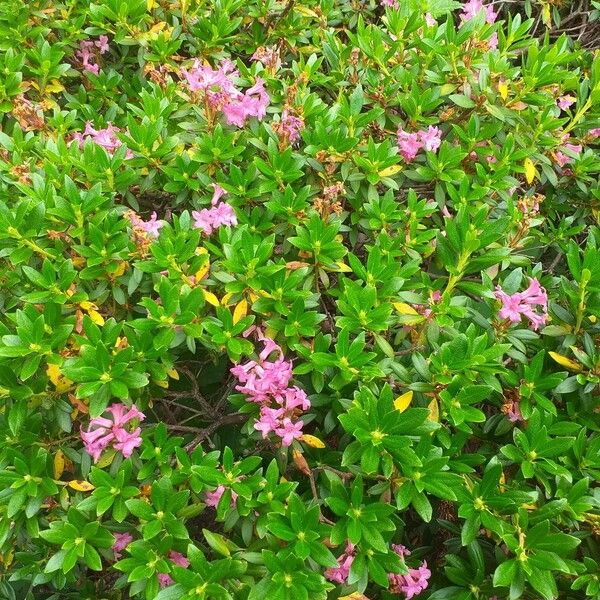
Often called the Kamchatka Rhododendron, this tiny "tundra treasure" hails from the cold, rocky coastlines of Northeast Asia and Alaska. Unlike its towering cousins in the Rhododendron family, this species is a miniature, ground-hugging shrub that creates a lush, flowering carpet. It is a favorite among rock garden enthusiasts for its resilience to freezing temperatures and its surprisingly large, vibrant blooms.
🔍 How to Identify
- 🌿 The Foliage: Unlike many evergreen rhododendrons, this variety is deciduous. Its leaves are soft, spoon-shaped, and distinctively "hairy" or fuzzy along the edges, turning a lovely yellow or red in the autumn.
- 🌸 The Flowers: The blossoms are exceptionally large for such a small plant. They are flat-faced and open (rather than bell-shaped), appearing in shades of deep rose-purple or magenta with darker spotting on the upper petals.
- 📏 Growth Habit: It rarely exceeds 4 to 10 inches in height. It spreads slowly via underground runners to form a dense, prostrate mat that hugs the soil or rocks.
🏡 In Your Garden
- 🏔️ Alpine Aspirations: Because it originates from the subarctic, this plant thrives in "cool roots" conditions. It is perfect for rockeries or crevice gardens where its roots can stay moist and cool while its head enjoys the sun.
- 💧 Soil Specifics: It is strictly an acid-lover. It requires peaty, well-draining soil and will struggle in "hard" water areas or alkaline clay. It is far more tolerant of damp conditions than other rhododendrons, as long as the water is moving and not stagnant.
- ☀️ Heat Sensitivity: While it is incredibly cold-hardy (surviving deep freezes), it dislikes "muggy" heat. In warmer climates, it needs a spot with afternoon shade to prevent the delicate leaves from scorching.
⚠️ Safety & Toxicity
- 🚫 Status: Toxic to humans and pets.
- 🐾 Details: Like almost all members of the Rhododendron genus, this plant contains grayanotoxins. If ingested, it can cause nausea, vomiting, and cardiovascular issues in dogs, cats, and horses. It is best placed in areas where curious pets or toddlers won't be tempted to nibble the foliage.
✨ Fun Fact
Most rhododendrons produce their flower buds on the previous year’s wood, meaning a late frost can ruin the spring show. However, the Kamchatka Rhododendron is unique because it often blooms on the current year’s growth, making it a much more reliable bloomer in unpredictable, cold climates!

Detailed Care Instructions
To grow a Rhododendron camtschaticum plant, also known as Kamchatka rhododendron or Kamchatka azalea, follow these steps:
- Select a suitable location: Rhododendron camtschaticum thrives in well-drained soil with a pH level around 5.0 to 6.0. Ensure the planting area receives partial shade with protection from hot afternoon sun and strong winds.
- Prepare the soil: Rhododendron camtschaticum prefers organic-rich soil. Incorporate compost, peat moss, or leaf mold into the ground before planting to improve drainage and fertility.
- Planting: Dig a hole slightly wider and deeper than the root ball of the plant. Place the root ball into the hole, ensuring the top of the root ball is level with or slightly above the soil surface. Backfill the hole with soil, gently firming it around the roots. Water thoroughly after planting.
- Watering: Keep the soil consistently moist, but not waterlogged. Rhododendrons prefer damp soil, so regular watering is necessary, especially during dry periods. Mulching around the base of the plant can help retain soil moisture.
- Fertilization: Feed the plant in early spring and again in late spring or early summer with a slow-release, acid-loving fertilizer formulated specifically for rhododendrons. Follow the instructions on the fertilizer package for application rates.
- Pruning: Prune the plant after flowering to remove any dead or diseased branches and maintain the desired shape. Avoid heavy pruning, as rhododendrons tend to be slow-growing and shape best naturally.
- Protection from cold: Rhododendron camtschaticum is cold-hardy but may need protection during severe winters. Mulch around the base of the plant with an organic material like straw or leaves to insulate the roots and prevent frost damage.
- Pests and diseases: Monitor the plant regularly for pests like aphids, caterpillars, or lace bugs. Treat any infestations promptly using appropriate insecticides. Rhododendrons may also be susceptible to diseases such as powdery mildew or root rot. Maintain good air circulation around the plant and avoid overwatering to minimize disease risks.
By following these tips, you should be able to successfully grow a healthy Rhododendron camtschaticum plant in your garden.

Place in a window with dappled sun or a spot in the middle of a room. Or directly in a window facing west or east.

To water the plant referred to, it is important to ensure that the soil is evenly moist. Avoid letting the soil become completely dry, but also avoid over-watering as this can lead to root rot. The plant should be watered thoroughly, allowing the water to soak through the soil and drain out through the bottom of the container. It is preferable to water the plant in the morning or evening when temperatures are cooler to avoid water evaporation.
To fertilize this plant, use a balanced slow-release fertilizer with an N-P-K ratio of 10-10-10. Apply a light layer around the base of the plant in early spring, before new growth begins. Do not fertilize after mid-summer to avoid stimulating tender new growth which can be damaged by winter cold. Water the plant immediately after fertilizing to help distribute the nutrients.
Rhododendron Camtschaticum plant requires a specific type of soil that is acidic in nature and well-draining. It thrives in soil that is rich in humus and organic matter, with a pH range of 4.5 to 6.0. The soil should be moist but not waterlogged, as the plant is sensitive to excessive moisture. It is recommended to mix peat moss, compost, and sand into the soil to improve its structure and drainage. The plant also prefers a cool and shaded environment, with protection from strong winds.
To propagate this plant, you will need to take cuttings in early to mid-summer. It is best to choose healthy shoots from the previous year's growth, and make sure they have at least 2 or 3 pairs of leaves. Using a sharp, sterile knife, cut the shoot just below a pair of leaves. Remove any leaves from the lower half of the cutting.
Dip the bottom of the cutting in rooting hormone to encourage root growth, and plant it in a well-draining soil mix. Make sure to keep the soil moist, but not waterlogged. Place the cutting in a bright, humid location, but avoid direct sunlight.
After a few weeks, you should see signs of new growth, indicating that the cutting has rooted successfully. You can then transplant the new plant into a larger pot or into your garden. Keep in mind that it may take several years for the plant to mature and produce flowers.








