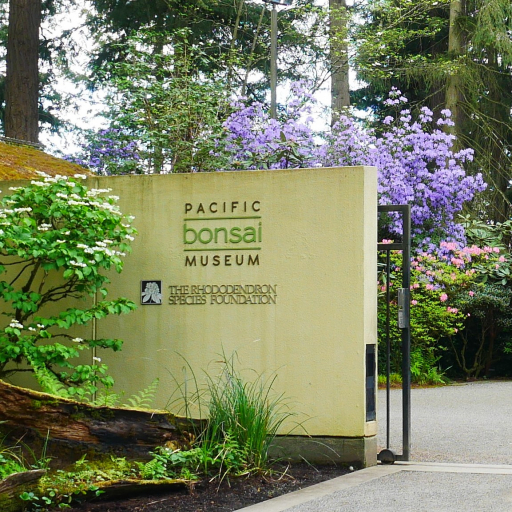
Plant Overview
Known as the "Rose Tree," Rhododendrons are the undisputed royalty of the spring garden. With their massive, cloud-like clusters of blossoms and glossy, leathery leaves, they turn woodland borders into colorful cathedrals. From the tiny alpine varieties to towering arboreal giants, these plants carry a legacy of ancient mountain ranges and Victorian plant-hunting adventures.
🔍 How to Identify
- 🌸 The Blossoms: Large, bell-shaped or funnel-shaped flowers that usually grow in rounded clusters called "trusses." Colors range from snow white and pale lemon to deep crimson and royal purple.
- 🍃 The Foliage: Thick, leathery leaves that are typically dark green and elliptical. Many evergreen varieties have a distinct rust-colored fuzz (indumentum) on the underside to help manage moisture.
- 🌳 Growth Habit: Generally woody shrubs or small trees. They are known for their shallow, fibrous root systems that spread wide rather than deep.
🏡 In Your Garden
- 🧪 Acidic Ambitions: These plants are "ericaceous," meaning they crave acidic soil (low pH). If your soil is alkaline, their leaves will turn yellow—a condition called chlorosis—because they can't "eat" the iron they need.
- 💧 The Goldilocks Rule: They hate "wet feet." Plant them in well-draining soil, ideally on a slight mound, to ensure their shallow roots stay moist but never soggy.
- 🛡️ Mulch is Mandatory: Because their roots are so close to the surface, they are sensitive to temperature swings and drying out. A thick layer of pine needles or bark mulch acts as a protective, moisture-retaining blanket.
⚠️ Safety & Toxicity
- 🚫 Toxic Status: Highly toxic to humans, dogs, cats, and livestock. Every part of the plant—leaves, stems, and flowers—contains grayanotoxins.
- 🍯 Mad Honey Warning: Even honey made by bees from Rhododendron nectar can be poisonous. Historically known as "Mad Honey," it can cause low blood pressure, heart palpitations, and nausea.
- 👶 Keep Distance: Ensure that curious pets and toddlers do not chew on the leaves or flowers, as even small amounts can cause significant distress.
✨ Fun Fact
In 67 BC, the Roman army of Pompey the Great was reportedly defeated by local tribes who left bowls of Rhododendron-infused honey along the path; the soldiers ate the honey, became disoriented and incapacitated, and were easily overcome!

Detailed Care Instructions
To grow Rhododendron spp. plants, here are some tips:
- Choose the right variety: Rhododendrons come in various species and hybrids. Select a variety that is suitable for your climate and growing conditions. Consult local nurseries or gardening experts for guidance.
- Site selection: Rhododendrons thrive in dappled shade or filtered sunlight. They prefer well-drained, acidic soil with a pH between 4.5 and 6.0. Ensure the planting area has good air circulation to prevent fungal diseases.
- Soil preparation: Before planting, amend the soil with compost or peat moss to improve drainage and fertility. Create a raised bed or mound in heavy clay soil to enhance drainage. Do a soil test to adjust pH levels if needed.
- Planting: Dig a hole slightly larger than the root ball. Place the root ball in the hole, making sure the top of the root ball is level or slightly above the surrounding soil. Gently backfill the hole, firming the soil around the roots.
- Watering: Rhododendrons have shallow root systems, so they require regular watering to keep the soil evenly moist. Provide deep waterings during dry spells, especially in the first few years after planting.
- Mulching: Apply a layer of organic mulch around the plant to conserve moisture, suppress weeds, and maintain a cool root zone. Keep the mulch away from the base of the plant to avoid root rot.
- Fertilizing: Use a slow-release, acid-loving fertilizer specifically formulated for rhododendrons, following the package instructions. Apply the fertilizer in early spring and again after flowering. Avoid using excessive amounts, as it can burn the plant.
- Pruning: Prune after flowering to shape the plant or remove dead and diseased branches. Be mindful not to prune too late in the growing season, as it may impact the next year's bloom.
- Pest and disease control: Monitor your plants for common pests like lace bugs, aphids, or caterpillars. Treat as necessary using organic or chemical controls. To prevent diseases, avoid overhead watering and ensure good air circulation.
- Winter protection: In colder climates, protect your rhododendrons from freezing temperatures and strong winds using burlap screens or other types of barriers during winter months.
Remember, each rhododendron species may have specific requirements, so it's essential to research the specific needs of the variety you are cultivating.
Rhododendron Spp. plants prefer consistent moisture, but also need well-draining soil. Watering should be done deeply and infrequently rather than with frequent light watering. It is important to avoid getting water on the leaves, as this can lead to fungal diseases. Mulching around the base of the plant can help retain moisture and prevent the soil from drying out too quickly. Watering frequency may vary based on climate, location, and soil type. In general, it is best to water when the top inch of soil is dry to the touch. During periods of high heat or drought, additional watering may be necessary.
Rhododendron Spp. plants require regular fertilization to thrive. Use a balanced fertilizer with a ratio of NPK 10-10-10. Apply the fertilizer in early spring before new growth appears and again in late summer after flowering has finished. Avoid fertilizing in fall or winter, as this may stimulate new growth that can be damaged by cold temperatures. Follow the instructions on the fertilizer label and be sure to water the plant deeply after applying the fertilizer to help it absorb the nutrients.
Rhododendron Spp. plants prefer well-draining, slightly acidic soil with a pH between 4.5 and 5.5. The soil should also be rich in organic matter and have good moisture retention while not becoming waterlogged. It is recommended to use a soil mix consisting of a 50/50 blend of acid-loving potting soil and coarse sand or perlite. Additionally, adding peat moss, pine bark, or leaf mold to the soil mix can improve drainage and provide essential nutrients for healthy growth. It is important to avoid using heavy clay soil or alkaline soil, as these can inhibit the plant's ability to absorb nutrients and water.
To propagate the Rhododendron Spp. plant, take stem cuttings in the summer or early fall. Cut a piece of stem that is about 4-6 inches long, making sure to cut just below a node, which is where leaves grow out of the stem. Remove the leaves from the bottom half of the stem, and dip the cut end into rooting hormone powder. Plant the cutting in a well-draining potting soil mix, and cover with a plastic bag to create a mini greenhouse. Place the pot in a warm, bright location, but out of direct sunlight. Keep the soil moist, but not too wet, and remove the plastic bag once the cutting has started to root and new growth has appeared. After a few months, the new plant can be transplanted to a larger pot or directly into the garden.







